Start a Project

Bead Blasting Services

Prototek's Advanced Finishing and Post-Processing Solutions

What is bead blasting?

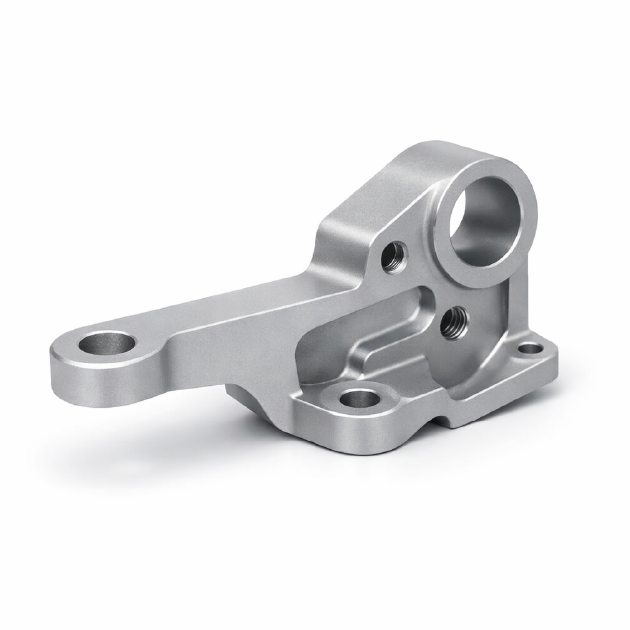
A popular surface finishing process, bead blasting components results in a uniform matte or satin finish with minimal material removal. It uses compressed air to send spherical beads at a high velocity at a part’s surface. The beads typically are glass, ceramic, steel, or plastic. The impact of these beads cleans, textures, or polishes the surface of the component. The process of bead blasting offers an improved, less aggressive, but effective solution for delicate and high-precision. applications.
Bead Media

  • Glass Beads: These are the most common type of bead. They’re a gentle, non-abrasive finish for both metals and plastics.
  • Ceramic Beads: These beads are harder, stronger, and offer deeper texturing and more robust finishes.
  • Steel Beads or Shot: Heavy-duty for cleaning, peening, and surface strengthening of hard metals.
  • Plastic Beads: For delicate surfaces, such as electronics or soft alloys.

What kind of equipment does bead blasting use?

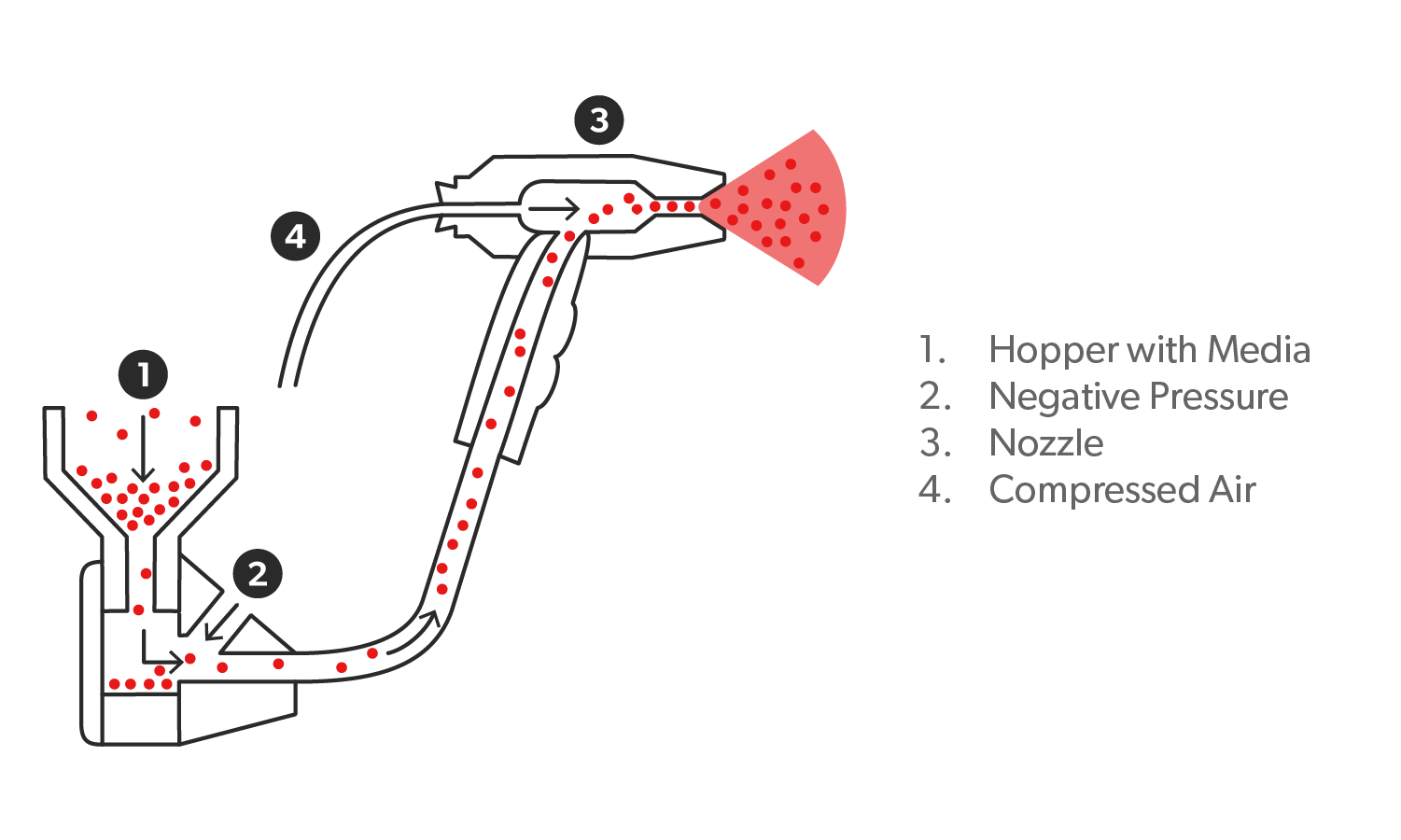
  • Blast Cabinet: These are enclosed workspaces with viewing windows and dust collection for safety and containment.
  • Pressure Pot: Stores and meters the bead media for consistent flow.
  • Nozzle: Directs the abrasive stream. It consists of a durable material.
  • Air Compressor: Supplies the compressed air, typically 40–100 PSI.
  • Dust Collection Systems: Maintains visibility and reduces airborne hazards.
  •  
Bead Blasting Services

What is the step-by-step bead blasting process?

  1. Setup and Preparation
    • Cleaning: Prepare the work area, making sure all the equipment is clean and operational.
    • Media: Choose the appropriate bead size and type for the finish you’d like to have.
    • Correct PPE: Make sure you wear gloves, eye protection, and respiratory protection.
  2. Operating Parameters
    • Pressure: The variance is typically 20–80 PSI, with the lower end for delicate surfaces and the higher end for aggressive cleaning.
    • Bead Size: Smaller beads offer a finer finish, and larger beads offer rougher textures.
  3. Blasting Technique
    • Place the clean part securely in the blasting cabinet.
    • Load the pressure pot with dry, clean material.
    • Adjust the flow and pressure of the media.
    • Hold the nozzle between 6 and 12 inches from the surface of the component at a 45°–90° angle.
    • Move in smooth and overlapping passes for an even finish.
  4. Post-Blast Cleaning and Quality Control
    • Remove residual beads with a vacuum or compressed air.
    • Inspect the components for uniformity and cleanliness.
    • Verify the cleanliness standards and measure the surface roughness, Ra.
    • Document the process for traceability.
Manufacturing Finishing - Bead Blasting

What are bead blasting applications by industry?

  • Automotive:
    • Engine Parts: Clean and finish aluminum blocks, cylinder heads, and transmissions.
    • Wheel and Chrome: Removes old coatings and rust, preparing it for
    • Restoration: Bead blasting strips paint and rust from classic car frames and panels.
  • Aerospace:
    • Turbine Blades: Removes residues, increases stress reduction, and works as a coating preparation.
    • Structural Components: Surface preparation for both aluminum and titanium brackets and housings.
    • Maintenance: Plastic beads clean delicate aluminum structures.
  • Medical and Dental:
    • Implants: Matte, hydrophilic surfaces on titanium and stainless steel are better for biocompatibility.
    • Instruments: It reduces the glare and ensures the surfaces are clean and sterilizable.
  • Electronics:
    • Circuit Boards: For improved conductivity, bead blasting can remove oxide layers.
    • Housings: Uniform finishes on aluminum and stainless steel will lead to successful anodizing.

Material Compatibility

  • Aluminum: One of the most common materials in bead blasting for smooth, uniform satin finishes, ideal for additional post-processing such as anodizing.
  • Stainless Steel: Removes contaminants, producing hygienic, matte finishes.
  • Carbon Steel: Coarse matte for better coating adhesion
  • Titanium: Uniform matte finish that offers fatigue strength for aerospace applications.
  • Brass and Copper: Satin finishes with gentle bead blasting, because they are softer metals.
  • Plastics: Low-pressure to avoid warping.
  • Composites: Light textures with plastic beads.

Why choose bead blasting for your project?

  • Surface Finish Quality: Highly consistent and repeatable uniform matte or satin finishes at Ra 0.8-3.2 µm.
  • Non-Destructive: Bead blasting preserves the dimensional accuracy of a component, with minimal material removal <5 µm.
  • Coating Adhesion: Micro-textured surfaces improve paint and powder adhesion by 15-25%.
  • Cleaning Effectiveness: Bead blasting removes rust, scale, old paint, machining marks, and burrs.
  • Cost-Effectiveness: Lower cost than polishing, and the media is reusable for 13-30 cycles.
  • Environmental: Bead blasting is a non-toxic and eco-friendly media. It does not use hazardous chemicals.
  • Turnaround Time: 30 seconds to 3 minutes.

Bead Blasting vs Other Blasting Methods

Method Media Shape and Type Surface Effect Aggressiveness
Bead Blasting
Spherical (Glass and Ceramic)
Uniform matte and satin finishes with minimal material removal.
Low
Sandblasting
Angular (Sand and Garnet)
Aggressive rust and paint removal leaving a rougher texture.
High
Shot Blasting
Spherical (Steel Shot)
Peening and heavy-duty cleaning for fatigue resistant improvement.
Moderate
Abrasive Blasting
Any
Cleaning, finishing, or texturing.
Varies
Bead Blasting Services
Ready to get your project started?
