
3D Printing Service:
Material Jetting
Our material jetting services offer:
- Complex Geometries
- Multiple Material Prints
- Similar to Injection Molded Parts
- Instant and Engineer-Assisted Quotes
- Certifications: ISO 9001:2015, AS9100D, ITAR, and CMMC Level 2
- Instant and Engineer-Assisted Quotes
- Certifications: ISO 9001:2015, AS9100D, ITAR, and CMMC Level 2
-
Instant and
Engineer-Assisted
Quotes - 100+ Materials
-
40+ Surface
Finishes -
Certifications:
ISO 9001:2015,
AS9100D, ITAR,
and CMMC Level 2 -
In-House Services: 3D Printing,
CNC Machining, Urethane Casting,
and Sheet Metal Fabrication
Digital Manufacturing Made Simple.
Upload your manufacturing project’s CAD file.
We review your file and provide manufacturability design (DFM) feedback.
We complete precision manufacturing using certified processes.
Our team ships the finished project to you anywhere in the USA.
What is material jetting?
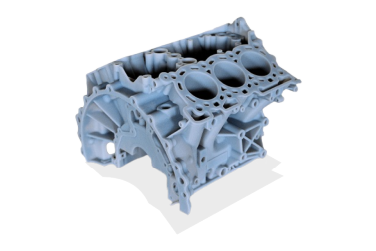
Material jetting is a 3D printing process that builds objects by selectively depositing droplets of a material. This innovative technique enables the construction of intricate and highly detailed structures with unparalleled accuracy.
At Prototek Digital Manufacturing, we harness the power of material jetting technology to produce high-quality components for our valued clients across various sectors. Our commitment to using cutting-edge methods ensures that we consistently deliver superior-quality products that meet our customers’ diverse needs.
How does Material Jetting work?
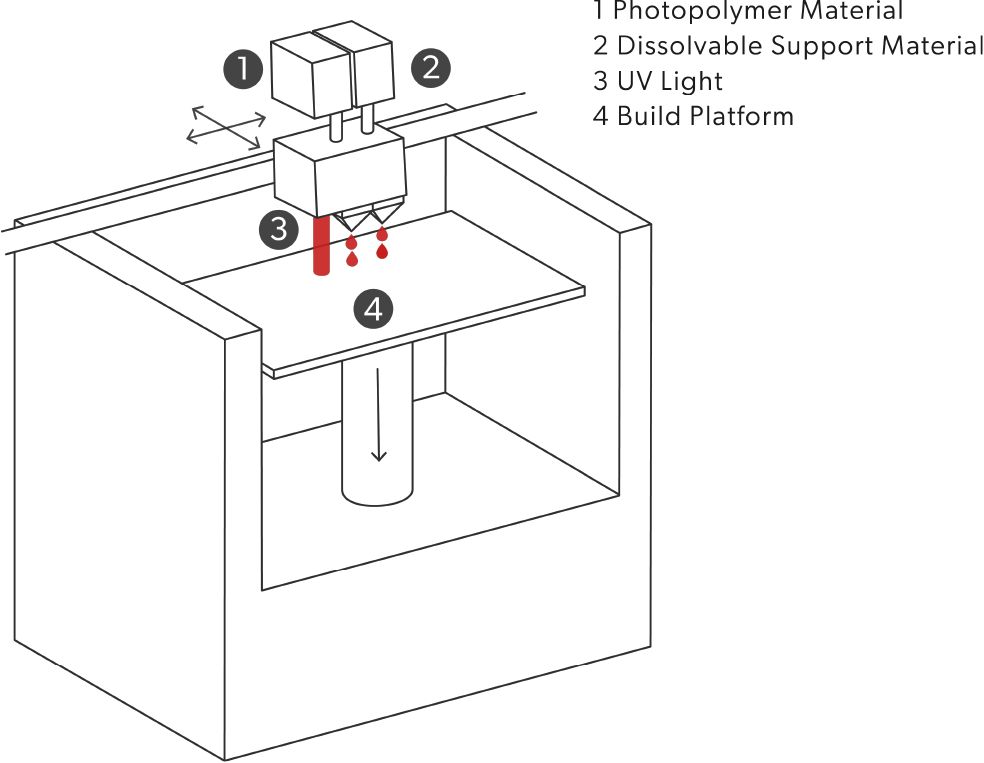
Material jetting uses small droplets of photopolymers or other liquid materials to construct a 3D object, thin layer by thin layer, on a build platform. This process resembles an inkjet printer, which deposits ink droplets onto paper to generate images and text.
The material jetting 3D printer expels these liquid materials through a small nozzle onto the build platform throughout the material jetting process. Subsequently, UV light can cure the layers, and heat or chemical methods can solidify the desired 3D shape. The material jetting machine repeats this step until the object is complete.
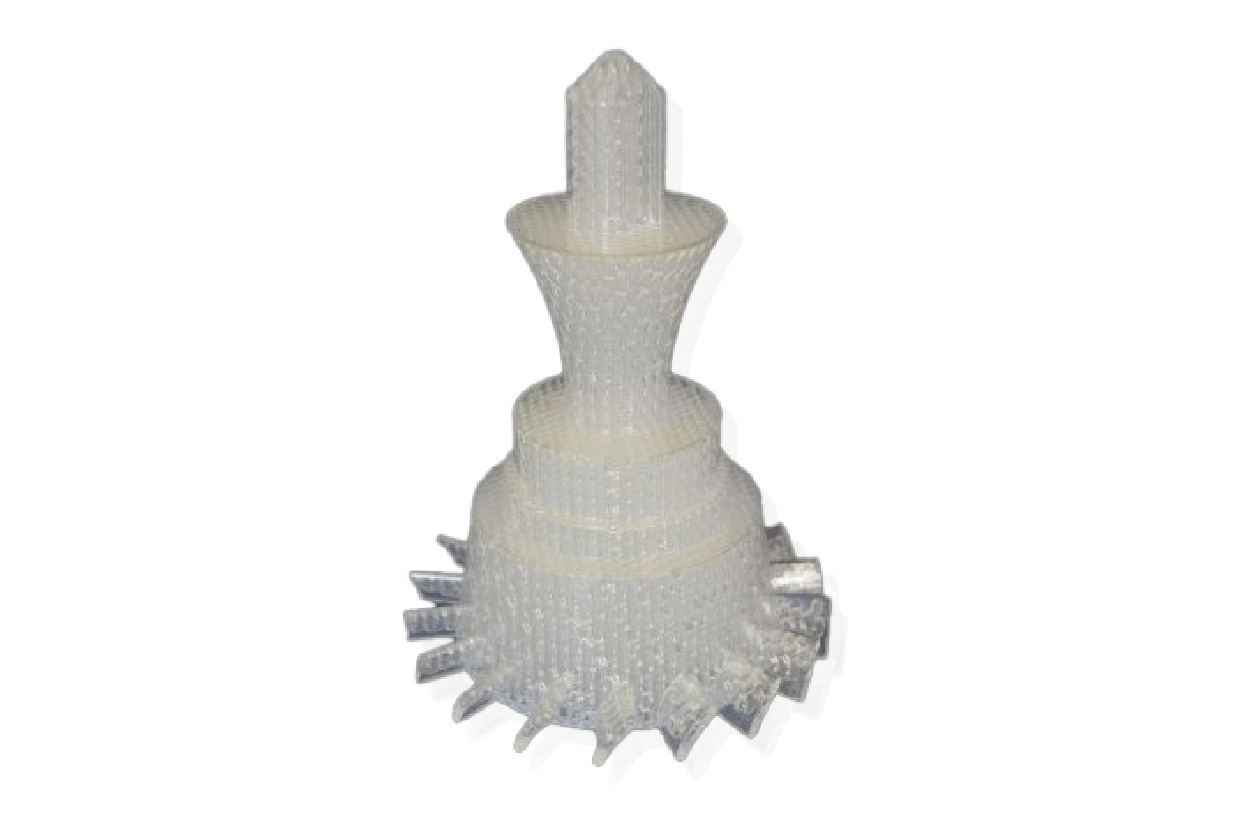
After material jetting, the crucial post-processing step involves removing the support material structure. Subsequently, the part may undergo sanding, polishing, or dyeing based on the desired finish and material properties, following the initial UV curing that solidifies the material.
Material jetting is an optimal 3D printing method for creating high-resolution objects with intricate details and complex geometries. Additionally, industries such as medicine, dentistry, and jewelry, where precision is paramount, use this technology.
Advantages to Material Jetting
Material jetting technology has revolutionized the way products are designed and manufactured. The following are a few of the advantages of material jetting:
- Multiple materials and colors in one print.
- High detail and high resolution.
- Can create stunning visual and concept models.
Considerations for Material Jetting
While there are a lot of advantages to material jetting, there are also some disadvantages to consider:
- Supports are necessary.
- Materials can be photosensitive and brittle
Material Jetting at Prototek
Material Jetting Machine Companies:
Stratasys
Material Jetting File Types:
Preferred Files: Solid, STEP, and DFX
Max Build Chamber Size:
19.3 x 15.4 x 7.9 in
Lead Time:
1 – 2 Days
Material:
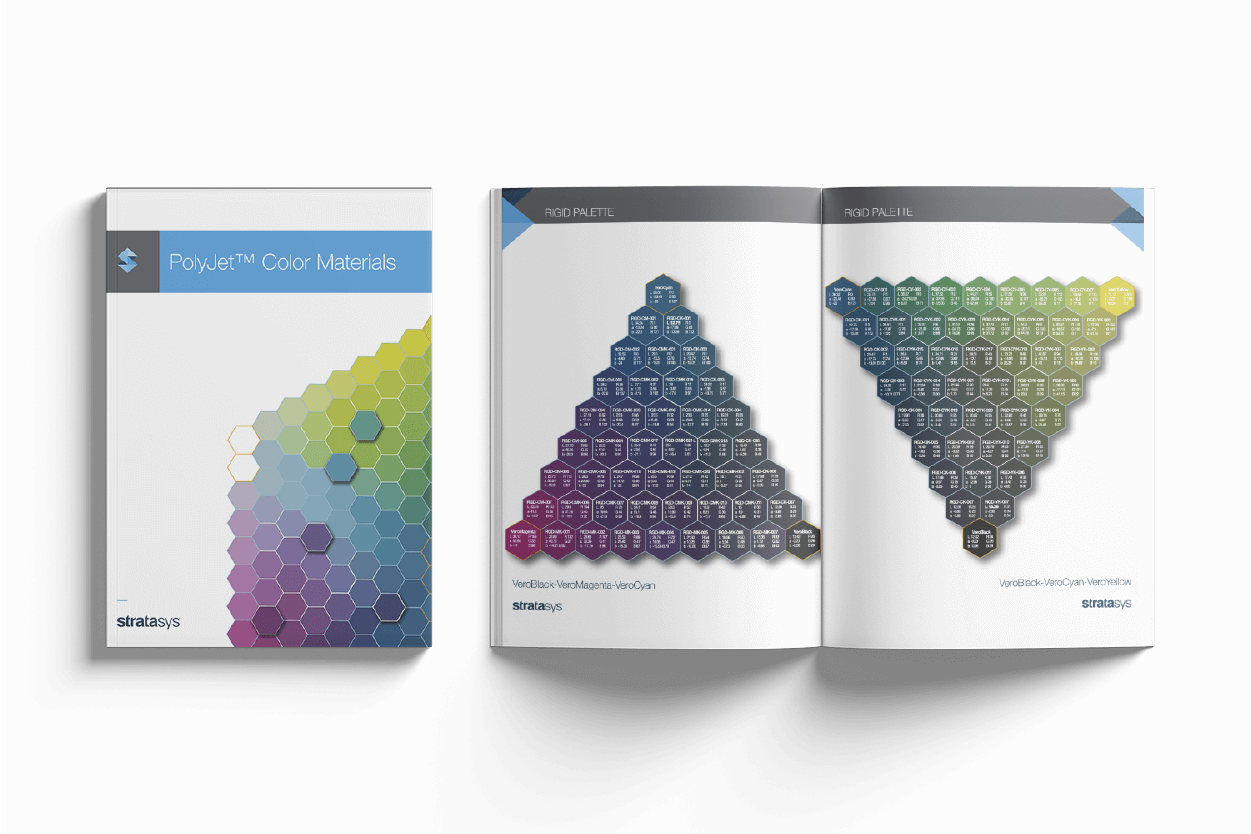
Agilus30, Digital ABS Plus, Vero Clear, VeroBlackPlus, VeroWhitePlus, VeroCyan, VeroMagenta, VeroYellow, and VeroGrey.
Other materials may be available upon request.
Tolerances:
± 0.004 in for the first inch and ± 0.0015 in/in for each additional inch.
Layer Thickness:
Layer thickness:
- 0.0006 in for high-quality builds
- 0.0012 in for high-speed builds
Prototek's Materials
Agilus30
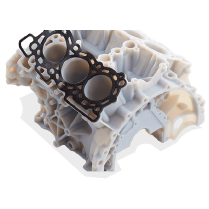
Aguilus30 is a flexible, high-performance material used in 3D printing applications. This rubber-like material is ideal for parts requiring durability, elasticity, and strength, such as tires, automobile parts, and medical device prototypes.
Clear/Black
Tensile Strength
348 – 450 psi
Tensile Modulus
N/A
Elongation @ Break
220 – 270%
White
Tensile Strength
305 – 377 psi
Tensile Modulus
N/A
Elongation @ Break
185 – 230%
Digital ABS Plus
RGD515 & RGD531
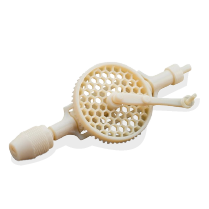
Stratasys developed Digital ABS Plus, a high-performance 3D printing material, combining two popular materials, RGD515 and RGD531. RGD515 is known for its remarkable clarity, while RGD531 is recognized for its toughness, strength, and durability.
Tensile Strength
8,000 – 8,700 psi
Tensile Modulus
375 – 435 ksi
Elongation @ Break
25 – 40%
Flexural Strength
9,500 – 11,000 psi
Flexural Modulus
245 – 320 ksi
Heat Deflection @ 264 psi
124 – 131° F
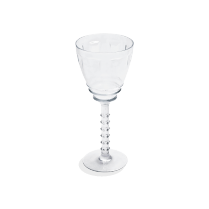
Vero Clear
Vero Clear is a rigid material with a high level of transparency, making it a popular choice for applications where visual clarity is essential. Additionally, it can be used to create parts and models for various applications, including product design, prototyping, architectural, and engineering designs.
Tensile Strength
7,250 – 9,450 psi
Tensile Modulus
N/A
Elongation @ Break
10 – 25%
Flexural Strength
11,000 – 16,000 psi
Flexural Modulus
320 – 465 ksi
Heat Deflection @ 264 psi
113 – 122° F
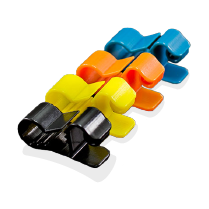
VeroBlackPlus
RGD 875
VeroBlackPlus is a high-quality, durable 3D printing material that produces accurate and highly detailed black parts. This material creates functional prototypes, product models, and end-use parts in various industries, including automotive, aerospace, and consumer goods.
Tensile Strength
5,800 – 8,000 psi
Tensile Modulus
N/A
Elongation @ Break
5 – 20%
Flexural Strength
10,000 – 16,000 psi
Flexural Modulus
290 – 365 ksi
Heat Deflection @ 264 psi
113 – 122° F
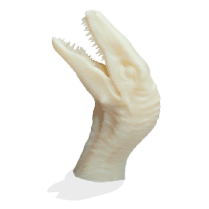
VeroWhitePlus
RGD 835
VeroWhitePlus is commonly used to create intricate designs and fine details, making it suitable for consumer goods, medical devices, and other high-value applications. Furthermore, the material is renowned for its exceptional dimensional stability.
Tensile Strength
5,800 – 8,000 psi
Tensile Modulus
N/A
Elongation @ Break
5 – 20%
Flexural Strength
10,000 – 16,000 psi
Flexural Modulus
290 – 365 ksi
Heat Deflection @ 264 psi
113 – 122° F
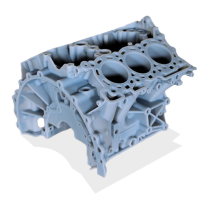
VeroGrey
RGD 850
VeroGrey is a durable material commonly used in rapid prototyping to create intricate, detailed models with precision.
Tensile Strength
5,800 – 8,000 psi
Tensile Modulus
N/A
Elongation @ Break
5 – 20%
Flexural Strength
10,000 – 16,000 psi
Flexural Modulus
290,000 – 365,000 psi
Heat Deflection @ 264 psi
113 – 122° F
VeroCyan
RGD 843
VeroCyan is commonly used in material jetting for creating intricate geometries and fine details, making it a popular choice for prototypes and small production runs.
Tensile Strength
5,800 – 8,000 psi
Tensile Modulus
N/A
Elongation @ Break
5 – 20%
Flexural Strength
10,000 – 16,000 psi
Flexural Modulus
290 – 365 ksi
Heat Deflection @ 264 psi
113 – 122° F
VeroMagenta
RGD 851
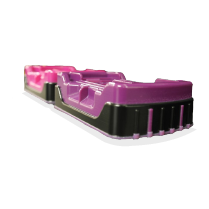
VeroMagenta has exceptional properties and a bright shade of magenta, making it ideal for creating high-resolution models and prototypes. Its accuracy and precision make it perfect for intricate and detailed parts.
Tensile Strength
5,800 – 8,000 psi
Tensile Modulus
N/A
Elongation @ Break
5 – 20%
Flexural Strength
10,000 – 16,000 psi
Flexural Modulus
290 – 365 ksi
Heat Deflection @ 264 psi
113 – 122° F
VeroYellow
RGD 836
VeroYellow has exceptional mechanical properties, perfect for producing solid and high-quality prototypes. It is renowned for its superior color and dimensional stability, which is why it is a preferred choice among designers and engineers who require a consistent color throughout their projects.
Tensile Strength
5,800 – 8,000 psi
Tensile Modulus
Elongation @ Break
5 – 20%
Flexural Strength
10,000 – 16,000 psi
Flexural Modulus
290 – 365 ksi
Heat Deflection @ 264 psi
113 – 122° F
Material Jetting's Unique Ability
Material jetting is a 3D printing technology that utilizes multiple print heads to deposit liquid photopolymers layer by layer. This process enables the combination of materials to create varying degrees of flexibility, rigidity, and color. Moreover, material jetting allows for the printing complex geometries and intricate designs with high resolution while using multiple materials simultaneously. Consequently, the resulting products can exhibit various mechanical and physical properties, making them ideal for prototyping and manufacturing functional parts. Additionally, material jetting enables the production of parts with multiple colors and textures in a single print, which can help create realistic prototypes or specialized components. As a result, material jetting has become a popular 3D printing process used to create high-quality, functional parts and prototypes.
Design Recommendations
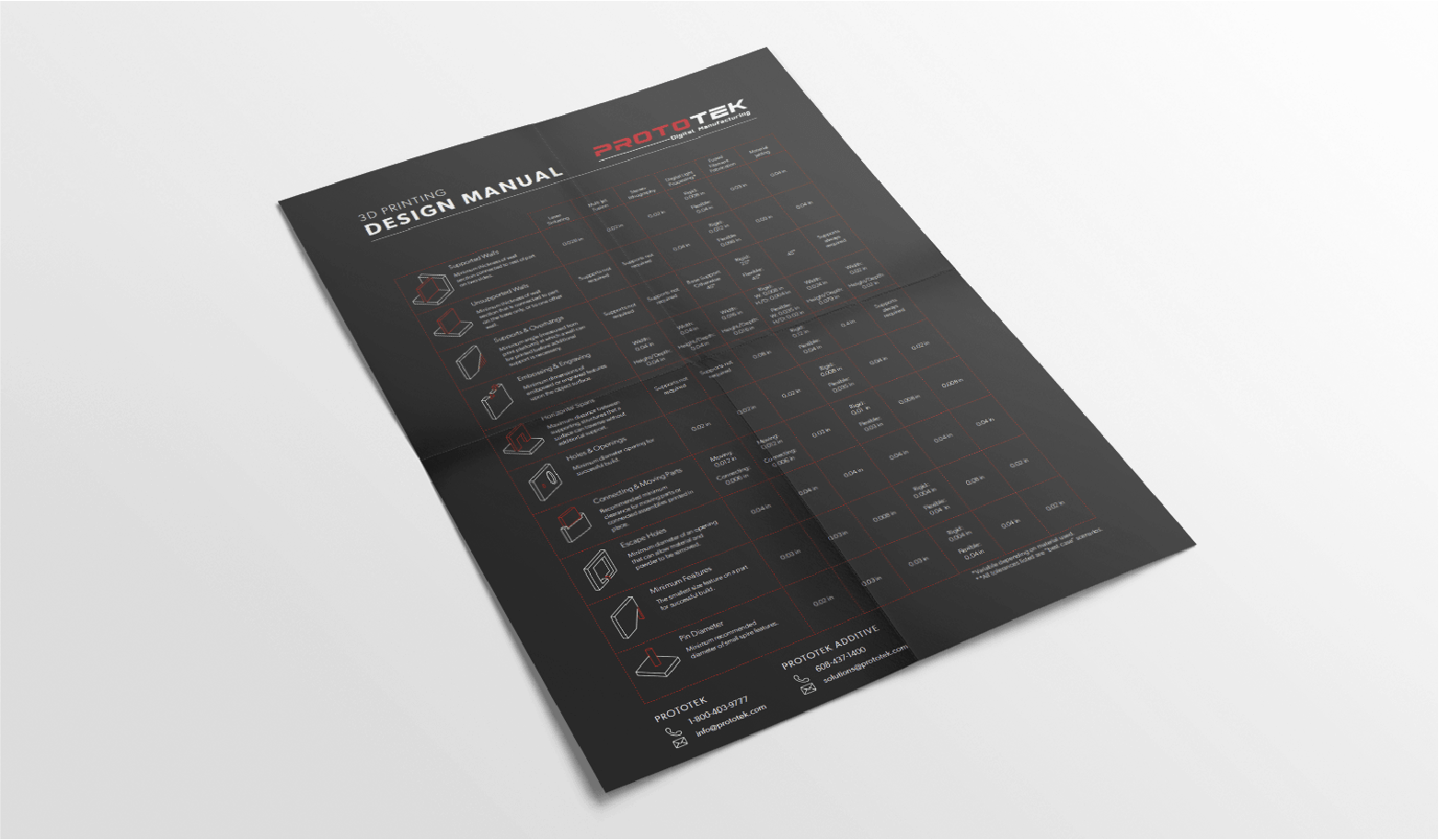
Several key considerations need to be considered when designing parts for material jetting. Firstly, it’s essential to understand the properties of the chosen material, such as its viscosity and curing time, to optimize the printing conditions and achieve the desired level of accuracy and detail.
Additionally, it’s essential to consider the part’s geometry, including its dimensions, wall thickness, and any overhangs or internal structures. It’s best to design parts with uniform wall thicknesses and add support structures to avoid warping or deformation during printing.
Furthermore, it’s essential to consider the part’s orientation during printing, as this can affect its surface quality and mechanical properties. Placing the region at an angle and optimizing the printing path can minimize visible layer lines and improve overall strength and durability.
Overall, designing parts for material jetting requires careful consideration of material properties, geometry, and printing orientation to ensure optimal results.
Material Jetting Finishes
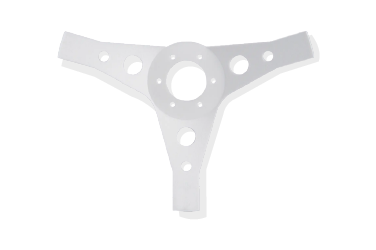
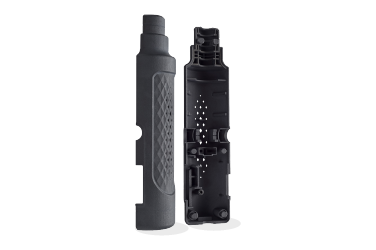
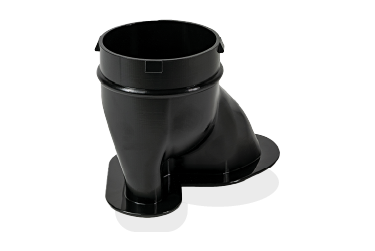
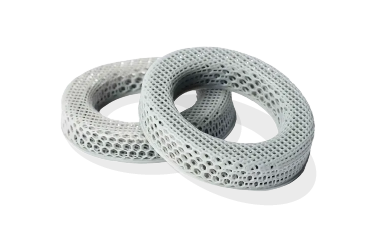
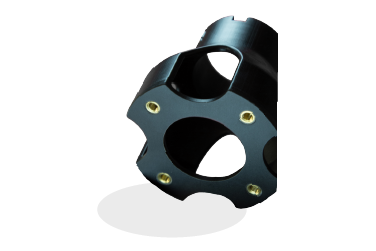
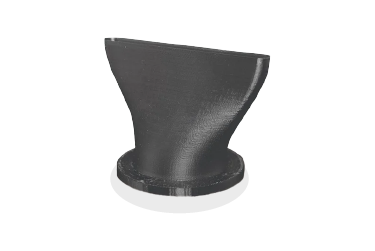
At Prototek Digital Manufacturing, our state-of-the-art material jetting process is at the forefront of delivering high-precision components, boasting incredibly smooth surface finishes and exceptional detail and finish quality. This cutting-edge additive manufacturing technique empowers us to create intricate parts with complex geometries and detailed features, catering to various applications across various industries.
Material Jetting Finishes
Learn More About 3D Printing
Through our resources, you can discover the complexities of 3D printing and gain insights into creating top-notch designs specifically tailored for this cutting-edge technology.
Prototek's
Other Additive Manufacturing Technologies
Why choose Prototek for your next material jetting project?
We offer the latest and most advanced technology for material jetting and a wide range of material options to meet your specific needs. Additionally, our highly skilled engineers and staff are always available to answer questions or concerns. Furthermore, we take pride in offering exceptional customer service that is both timely and professional. Moreover, our fast turnaround times ensure that you receive completed projects that meet and exceed your expectations. At Prototek, we are committed to providing cost-effective solutions without compromising quality. If you’re looking for advanced technology, unmatched customer support, and competitive pricing, choose Prototek for all your material jetting needs.