
Visual Model Manufacturing Services
Prototek’s visual model services offer the following:
- Aesthetically Pleasing Concept Models
- Prove Product Viability
- Speed to Market
- Instant and Engineer-Assisted Quotes
- Certifications: ISO 9001:2015, AS9100D, ITAR, and CMMC Level 2
- Instant and Engineer-Assisted Quotes
- Certifications: ISO 9001:2015, AS9100D, ITAR, and CMMC Level 2
-
Instant and
Engineer-Assisted
Quotes - 100+ Materials
-
40+ Surface
Finishes -
Certifications:
ISO 9001:2015,
AS9100D, ITAR,
and CMMC Level 2 -
In-House Services: 3D Printing,
CNC Machining, Urethane Casting,
and Sheet Metal Fabrication
Digital Manufacturing Made Simple.
Upload your manufacturing project’s CAD file.
We review your file and provide manufacturability design (DFM) feedback.
We complete precision manufacturing using certified processes.
Our team ships the finished project to you anywhere in the USA.
Visual Models That Bring Your Designs to Life
At Prototek, precision meets imagination. Our industrial visual model services turn digital concepts into tangible, high-fidelity representations that showcase your design intent with striking clarity and accuracy. Whether you’re developing a complex aerospace component, an automotive prototype, or a cutting-edge electronics housing, our visual models give you a powerful way to evaluate, present, and refine your ideas before production begins.
We combine advanced CNC machining, 3D printing, and laser cutting under one roof to deliver visual models that look and feel like the real thing—recreating every curve, angle, and surface detail using industrial-grade materials and precision processes.
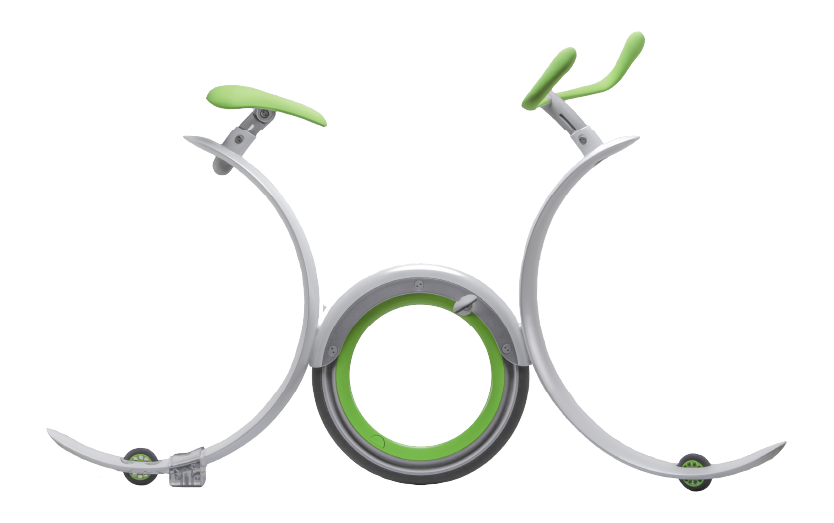
What is a visual model?
A visual model physically represents a product or prototype to communicate design ideas and concepts to stakeholders, such as designers, engineers, clients, and investors. It is a crucial tool for visualizing and testing the functionality, form, and aesthetics of a product idea in the early stages of the design process. By creating a concept model, designers can evaluate their ideas and make informed decisions about the final product design and production.
Creating a visual model by using various materials such as foam, wood, plastic, or metal, depending on the product’s nature and the model’s intended purpose. These materials create a physical replica of the product idea, including its features, dimensions, and other details, without resorting to costly processes or materials.
This approach helps convey the designer’s vision to stakeholders and provides a hands-on experience, enabling them to better understand the product idea. Furthermore, it allows designers to test the product’s feasibility, identify design flaws, and make changes accordingly, resulting in a more refined design.
Prototek uses cutting-edge manufacturing technologies to produce visual models that capture even the most intricate geometries with exacting precision. We finish each model to your specifications, whether you need a display-quality prototype with custom colors and coatings or a dimensional sample for fit verification.
By combining advanced hardware and skilled craftsmanship, Prototek delivers models that reflect real-world performance and manufacturing feasibility. These are critical factors for industries such as aerospace, automotive, and electronics, where the demand for accuracy and reliability drives every decision.
Why get a visual model made?
Having a physical model of the product makes it easier to identify design flaws, make necessary modifications, and ensure the final product meets consumer expectations. It also helps save time and money in the long run by identifying and addressing any issues early in the design process.
Visual models can also serve as a marketing tool by highlighting a product’s unique design and features, thereby attracting potential customers. Overall, creating a concept model is essential to ensuring the final product’s success and quality.
Manufacturing Capabilities
We have an extensive list of capabilities. If your project requires something else, let us know! We’ve worked with fibers and other capabilities.
- Additive Manufacturing
- CNC Machining
- Sheet Metal Fabrication
- Silicone & Cast Urethane
- Extensive Finishing & Post-Processing
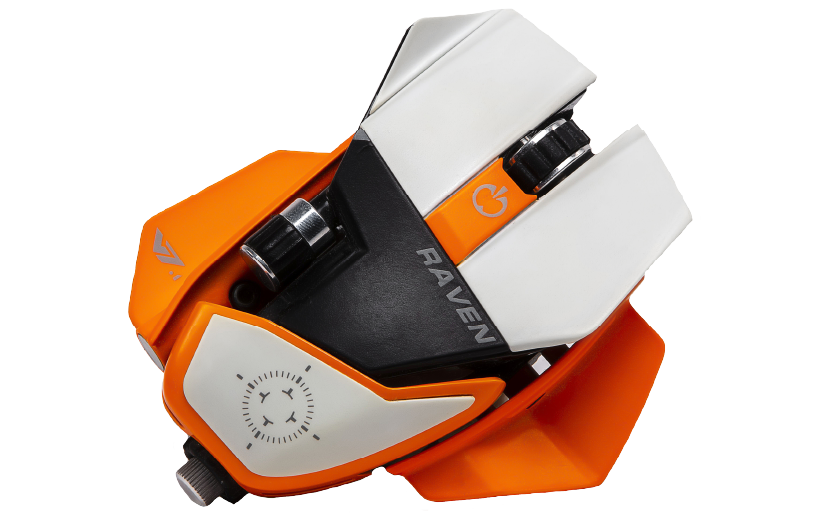
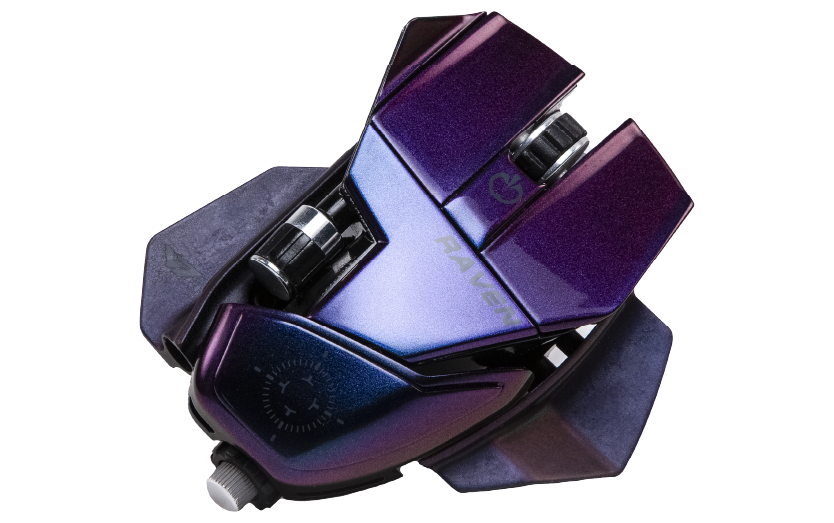
Prototek's Materials
We use standard manufacturing methods to create visual models: additive manufacturing plastics, CNC machining, and sheet metal fabrication. Additive manufacturing is an excellent process for creating custom parts with intricate details. CNC machining, on the other hand, is ideal for producing precise parts with tight tolerances. Sheet metal fabrication involves creating complex shapes and structures that are difficult to produce using different methods.
Visual models can test a product’s functionality and design before it goes into production. Using these methods, designers and engineers can create prototypes that closely resemble the final product, allowing them to assess its functionality and make any necessary changes before investing in expensive production tools and processes.
While each method is suitable for creating visual models, they have limitations and benefits. For instance, additive manufacturing is great for creating complex geometries with intricate details. CNC machining is ideal for producing parts with high accuracy and precision, while sheet metal fabrication is ideal for creating thin-walled, lightweight components.
Therefore, it’s crucial to carefully consider which method is best suited for a specific project. Helping ensure the visual model is accurate and reliable, providing a solid foundation for the final product.
Finishes for Visual Models
Finishing visual models is an essential step in the design process. It involves refining prototypes’ surface textures and appearances to accurately represent the final product. Prototek offers many finishes, including sanding, painting, and adding decals or other surface treatments. The goal is to create a realistic and visually appealing prototype that accurately represents the final product’s design and functionality. Finishing also aids in evaluating the invention’s ergonomic and aesthetic qualities, helping designers identify areas for improvement. Additionally, finishing can help generate interest and excitement in the design, whether for internal review or presented to external stakeholders. Finishing concept models can significantly enhance the design process, resulting in a better final product.
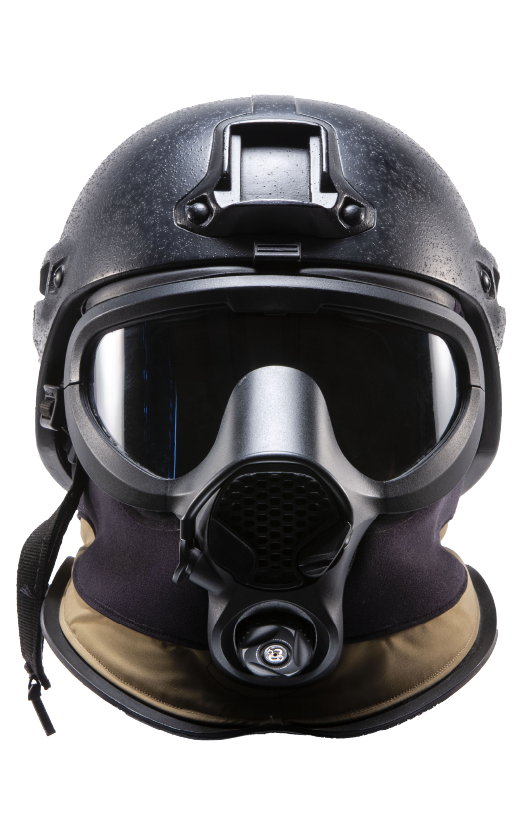
Why choose Prototek for your next concept model project?
Finishing visual models is an essential step in the design process. It involves refining prototypes’ surface textures and appearances to accurately represent the final product. Prototek offers many finishes, including sanding, painting, and adding decals or other surface treatments. The goal is to create a realistic and visually appealing prototype that accurately represents the final product’s design and functionality. Finishing also aids in evaluating the invention’s ergonomic and aesthetic qualities, helping designers identify areas for improvement. Additionally, finishing can help generate interest and excitement in the design, whether for internal review or presented to external stakeholders. Finishing concept models can significantly enhance the design process, resulting in a better final product.
Request Your Quote From Prototek
Prototek serves companies and industries nationwide. Our industrial visual models reflect the same commitment to excellence that defines our CNC machining, 3D printing, and full-scale production capabilities. By keeping every process in-house, we maintain complete control over quality, timing, and precision.
For clients across the aerospace, automotive, and electronics industries, partnering with Prototek means gaining access to a team that understands the importance of both visual impact and functional accuracy.
From concept validation to pre-production presentation, Prototek transforms your ideas into reality. Our industrial visual models embody the craftsmanship, technology, and trust that define our brand. To experience the difference for yourself, get a quote today.