Selective Laser Sintering vs. Multi-Jet Fusion
Discover the fascinating realm of powder bed additive manufacturing, which involves utilizing cutting-edge selective laser sintering and multi-jet fusion technologies. These advanced techniques allow for the precise and efficient creation of complex 3D-printed objects, opening up a world of possibilities for manufacturing and design.
Selective Laser Sintering
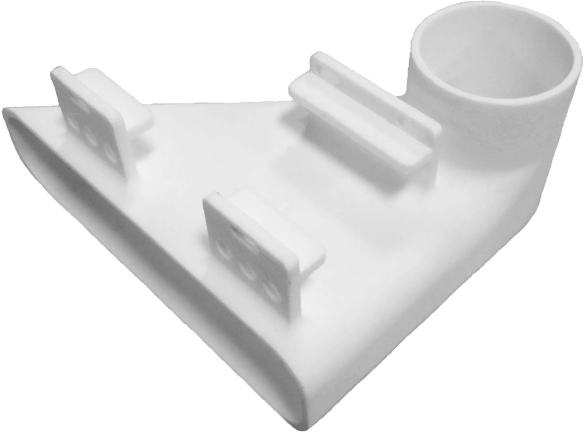
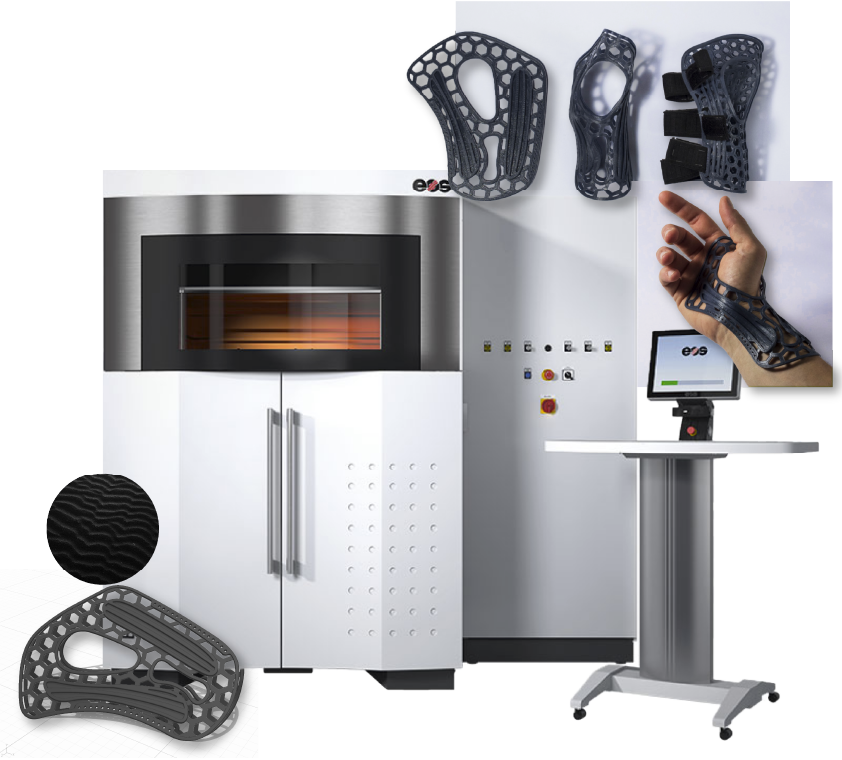
Selective laser sintering is an innovative and advanced additive manufacturing process that utilizes state-of-the-art laser technology to fuse a carefully selected blend of highly refined powdered materials into exceptional 3D objects. Due to its precision and versatility, this cutting-edge process is used in a wide range of industries and applications. With the ability to produce incredibly intricate and complex designs and manipulate the physical properties of the final product, selective laser sintering is revolutionizing the field of manufacturing and paving the way for the future of design and engineering.
Multi-Jet Fusion
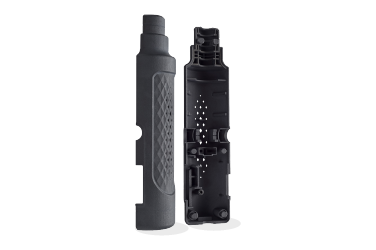
Multi-Jet Fusion is an versatile additive manufacturing technology that utilizes powdered thermoplastic material, liquid binding agent, and infrared energy to fuse layers to create high-quality, functional parts that are both durable and efficient. This cutting-edge process has revolutionized the manufacturing industry and paved the way for unprecedented progress in the medical and aerospace engineering fields. With its ability to produce complex, intricate designs with exceptional precision and speed, Multi-Jet Fusion is a game-changer in advanced manufacturing.
Comparing these powder bed technologies.
Selective laser sintering (SLS) and multi-jet fusion (MJF) are two groundbreaking additive manufacturing techniques that have recently revolutionized the manufacturing industry. These techniques use distinct processes and offer unique capabilities, benefiting businesses across different sectors.
Selective laser sintering uses high-powered lasers to fuse layers of powdered materials, resulting in highly accurate and durable finished products. On the other hand, multi-jet fusion utilizes a combination of heat, pressure, and UV light to combine layers of powdered materials, resulting in faster production times and enhanced material properties.
Regarding surface finish and part accuracy, SLS and MJF create products with unique characteristics. SLS typically produces parts with a slightly rougher surface finish due to the powder-based process, but it can achieve greater part accuracy than MJF. MJF, on the other hand, generally produces parts with a smoother surface finish due to the liquid-based process. However, the accuracy of MJF parts may be slightly lower compared to SLS. It is essential to consider the specific application and requirements when choosing between these two technologies for 3D printing.
By embracing these cutting-edge technologies, businesses can achieve significant cost savings, increase efficiency in their production processes, and enjoy greater design flexibility. From aerospace and automotive manufacturing to medical device production and beyond, the potential applications for these techniques are virtually endless. The ability to create complex and intricate designs with incredible precision, selective laser sintering, and multi-jet fusion genuinely changes how we think about manufacturing. If you want to stay at the forefront of your industry, it’s time to explore the possibilities these exciting new technologies offer.
Powder Bed Technologies in a Glance
Selective Laser Sintering
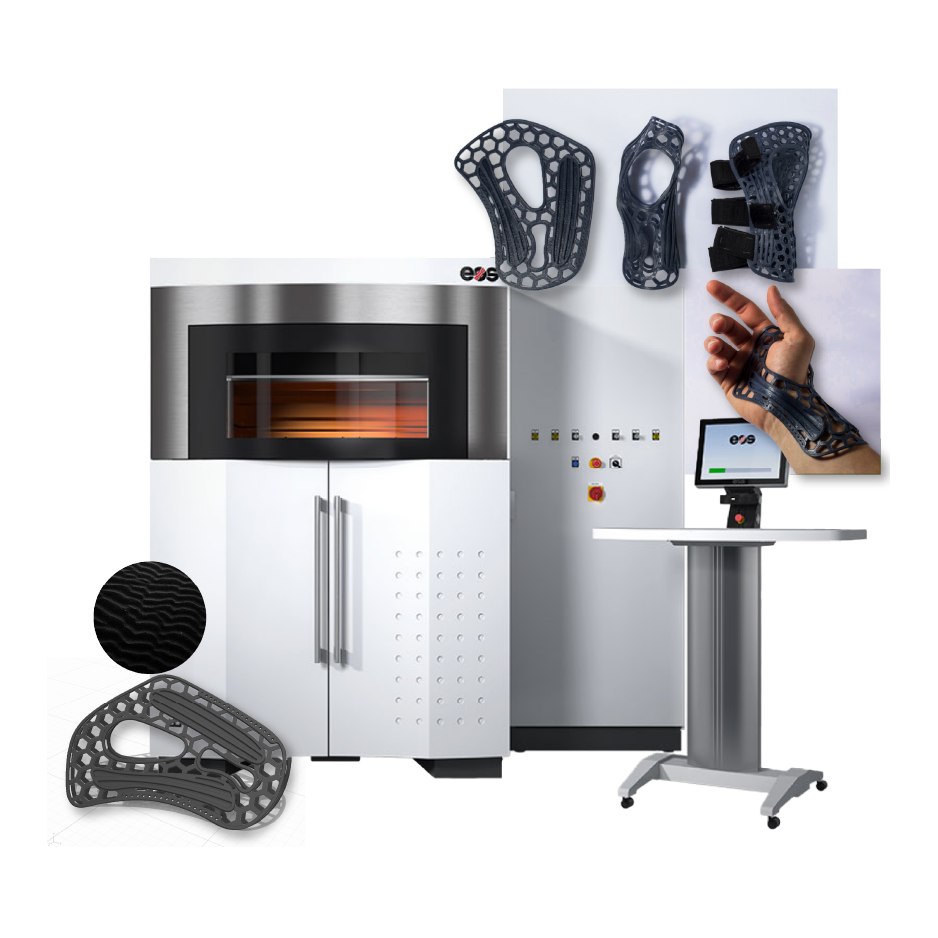
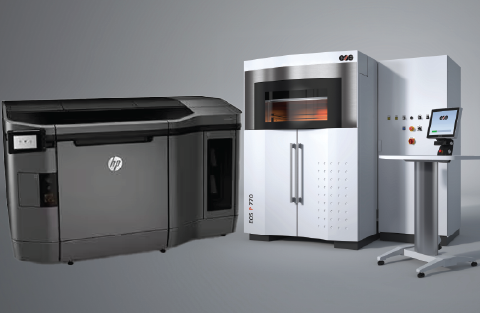
OEM: EOS & 3D Systems
Max Build Area: 26 x 13.5 x 21.8 in
Lead Time: 3 – 5 Days
Material: Fire Retardant Nylon 11, Glass Filled Nylon 12, Nylon 12, Ultrasint® TPU 88A
Tolerances: First inch ± 0.005 in and additional inches ± 0.002 in/in
Multi-Jet Fusion
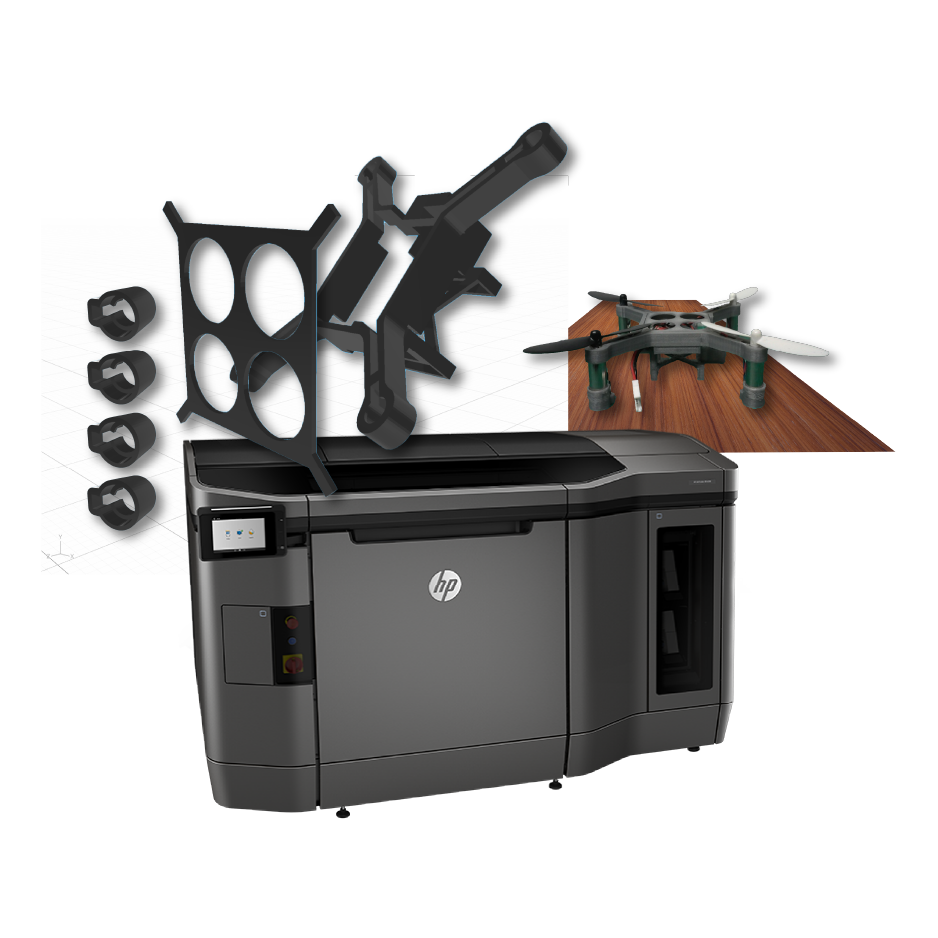
OEM: HP
Max Build Area: 14.96 x 11.18 x 14.96 in
Lead Time: 1 – 3 Days
Material: HP Nylon 12 and HP Nylon 12 GB
Tolerances: First inch ± 0.010 in and additional inches ± 0.003 in/in
Selective Laser Sintering
Multi-Jet Fusion
OEM
EOS & 3D Systems
HP
Max Build Area
26 x 13.5 x 21.8 in
14.96 x 11.18 x 14.96 in
Lead Time
3 – 5 Days
2 – 4 Days
Tolerances
First inch ± 0.005 in
Add. inches ± 0.002 in/in
Add. inches ± 0.003 in/in
Design Recommendations
Selective Laser Sintering
| Feature | Measurement | |
|---|---|---|
|
|
Connecting & Moving Parts |
Connecting: 0.006 in Moving: 0.012 in |
|
|
Escape Holes |
0.04 in |
|
|
Embossing & Engraving |
Width: 0.04 in Height/Depth: 0.04 in |
|
|
Holes & Openings |
0.02 in |
|
|
Horizontal Spans |
Supports Not Required |
|
|
Minimum Features |
0.03 in |
|
|
Pin Diameter |
0.02 in |
|
|
Supports & Overhangs |
Supports Not Required |
|
|
Walls (Supported) |
0.03 in |
|
|
Walls (Unsupported) |
Supports Not Required |
| Feature | Measurement | |
|---|---|---|
|
|
Connecting & Moving Parts |
Connecting: 0.15 mm Moving: 0.3 mm |
|
|
Escape Holes |
1 mm |
|
|
Embossing & Engraving |
Width: 1 mm Height/Depth: 1 mm |
|
|
Holes & Openings |
0.5 mm |
|
|
Horizontal Spans |
Supports Not Required |
|
|
Minimum Features |
0.7 mm |
|
|
Pin Diameter |
0.5 mm |
|
|
Supports & Overhangs |
Supports Not Required |
|
|
Walls (Supported) |
0.7 mm |
|
|
Walls (Unsupported) |
Supports Not Required |
Multi-Jet Fusion
| Feature | Measurements | |
|---|---|---|
|
|
Connecting & Moving Parts |
Connecting: 0.006 in Moving: 0.012 in |
|
|
Escape Holes |
0.04 in |
|
|
Embossing & Engraving |
Width: 0.04 in Height/Depth: 0.04 in |
|
|
Holes & Openings |
0.03 in |
|
|
Horizontal Spans |
Supports Not Required |
|
|
Minimum Features |
0.03 in |
|
|
Pin Diameter |
0.02 in |
|
|
Supports & Overhangs |
Supports Not Required |
|
|
Walls (Supported) |
0.02 in |
|
|
Walls (Unsupported) |
Supports Not Required |
| Feature | Measurements | |
|---|---|---|
|
|
Connecting & Moving Parts |
Connecting: 0.15 mm Moving: 0.3 mm |
|
|
Escape Holes |
1 mm |
|
|
Embossing & Engraving |
Width: 1 mm Height/Depth: 1 mm |
|
|
Holes & Openings |
0.5 mm |
|
|
Horizontal Spans |
Supports Not Required |
|
|
Minimum Features |
0.7 mm |
|
|
Pin Diameter |
0.5 mm |
|
|
Supports & Overhangs |
Supports Not Required |
|
|
Walls (Supported) |
0.5 mm |
|
|
Walls (Unsupported) |
Supports Not Required |
Finishing and Post-Provessing
Selective Laser Sintering
| Level | Process |
|---|---|
|
Natural |
Matte, white finish. |
|
Standard |
Matte finish, dyed black |
|
Tumbled |
The surface is smoothed with a media for an eggshell finish. |
|
Smoothed & Sealed |
Bead-blasted and vapor smoothed for a sealed, satin watertight finish. Check out our automated post-processing capabilities. |
|
Dyed |
Dyed, please specify the color. |
|
Smoothed, Sealed, & Dyed |
Vapor-sealed and dyed (specify color) for a satin, watertight finish. |
|
Primed Exterior |
Exterior (cosmetic) surfaces are smoothed and coated in grey primer. |
|
Painted |
Parts are smoothed, primed, and painted (provide drawing with paint specifications). |
|
Custom |
Custom finish. Let us know if your project requires special finishing. Please fill out our engineer-assisted quote form. |
Multi-Jet Fusion
| Level | Process |
|---|---|
|
Natural |
Matte, grey finish. |
|
Standard |
Matte finish dyed black. |
|
Tumbled |
The surface is smoothed with a media for an eggshell finish. |
|
Smoothed & Sealed |
Bead-blasted and vapor smoothed for a sealed, satin watertight finish. |
|
Smoothed, Sealed, & Dyed |
Vapor sealed and dyed black for a satin, watertight finish |
|
Primed Exterior |
Exterior (cosmetic) surfaces are smoothed and coated in grey primer. |
|
Painted |
Parts are smoothed, primed, and painted (provide drawing with paint specifications). |
|
Custom |
Custom finish. Let us know if your project requires special finishing. Please fill out our engineer-assisted quote form. |
FAQs
Selective laser sintering (SLS) and multi-jet fusion (MJF) are both additive manufacturing techniques that utilize powdered materials. They share similarities in their layer-by-layer build process, ability to produce complex geometries, and suitability for various engineering-grade materials. Both technologies offer high precision and repeatability, making them valuable options for industrial applications.