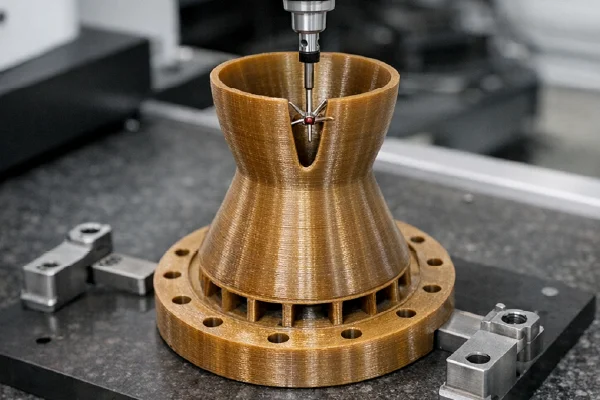
ISO 286 provides a standardized system for tolerances, deviations, and fits for holes and shafts, including bolt fasteners common in CNC machining. The ISO 286 system ensures component compatibility, minimizing issues such as excessive friction, vibration, or wear.
Hole Tolerances for Internal Features
- ISO 286 defines tolerance grades and limit deviations for holes. These tolerances are important for ensuring proper fits between bolts and holes.
- Tolerance grades are denoted by letters, such as H, G, etc. H is the most common for holes.
- H7 is a standard tolerance grade for holes, often found in clearance fits.
- The specific hole range depends on its nominal diameter and tolerance grade.
Bolt Tolerances for External Features
- Typically manufactured with tolerances that align with the ISO 286 system for shafts.
- Tolerance grades for bolts are generally denoted by lowercase letters, such as g, h, etc.
- G6 or H6 are common tolerance grades for bolts. Using these ensures a proper fit with the corresponding hole.
Nominal Hole Sizes and Tolerances
- ISO 286 provides tables for nominal hole sizes and their corresponding tolerances.
- For example, nominal hole sizes range from 3 mm to 400 mm. The tolerances are specified in micrometers (µm) based on the tolerance grade.
Bolt Fastener and Holes Chart ISO 286
These are ISO Tolerance Charts for bolts and holes per ISO 286 standards.
Note: These charts do not compensate for position or other GD&T location tolerances.
Tolerance Zone in mm (Bolt - External Features)
| Size (Over) | Size (To) | m6 | h6 | h8 | h10 | h11 | h13 | h14 | h15 | h16 |
|---|---|---|---|---|---|---|---|---|---|---|
|
0 |
1 |
+0.002
+0.008 |
0
-0.006 |
0
-0.014 |
0
-0.040 |
0
-0.060 |
0
-0.14 |
|
|
|
|
1 |
3 |
+0.002
+0.008 |
0
-0.006 |
0
-0.014 |
0
-0.040 |
0
-0.060 |
0
-0.14 |
0
-0.25 |
0
-0.40 |
0
-0.60 |
|
3 |
6 |
+0.004
+0.012 |
0
-0.008 |
0
-0.018 |
0
-0.048 |
0
-0.075 |
0
-0.18 |
0
-0.30 |
0
-0.48 |
0
-0.75 |
|
6 |
10 |
+0.006
+0.015 |
0
-0.009 |
0
-0.022 |
0
-0.058 |
0
-0.090 |
0
-0.22 |
0
-0.36 |
0
-0.58 |
0
-0.90 |
|
10 |
18 |
+0.007
+0.018 |
0
-0.011 |
0
-0.027 |
0
-0.070 |
0
-0.110 |
0
-0.27 |
0
-0.43 |
0
-0.70 |
0
-1.10 |
|
18 |
30 |
+0.008
+0.021 |
0
-0.030 |
0
-0.033 |
0
-0.084 |
0
-0.130 |
0
-0.33 |
0
-0.52 |
0
-0.84 |
0
-1.30 |
|
30 |
50 |
|
|
|
|
|
0
-0.39 |
0
-0.62 |
0
-1.00 |
0
-01.60 |
|
50 |
80 |
|
|
|
|
|
0
-0.46 |
0
-0.74 |
0
-1.20 |
0
-1.90 |
|
80 |
120 |
|
|
|
|
|
0
-0.54 |
0
-0.87 |
0
-1.40 |
0
-2.20 |
Tolerance Zone in mm (Bolt-External Features)
| Size (Over) | Size (To) | js14 | js15 | js16 | js17 |
|---|---|---|---|---|---|
|
1 |
3 |
+0.125 |
+0.20 |
+0.30 |
+0.50 |
|
3 |
6 |
+0.15 |
+0.24 |
+0.375 |
+0.60 |
|
6 |
10 |
+0.18 |
+0.29 |
+0.45 |
+0.75 |
|
10 |
18 |
+0.215 |
+0.35 |
+0.55 |
+0.90 |
|
18 |
30 |
+0.26 |
+0.42 |
+0.65 |
+1.05 |
|
30 |
50 |
+0.31 |
+0.50 |
+0.80 |
+1.25 |
|
50 |
80 |
+0.37 |
+0.60 |
+0.95 |
+1.50 |
|
80 |
120 |
+0.435 |
+0.70 |
+1.10 |
+1.75 |
|
120 |
180 |
+0.50 |
+0.80 |
+1.25 |
+2.00 |
|
180 |
250 |
+0.575 |
+0.925 |
+1.45 |
+2.30 |
|
250 |
315 |
+0.65 |
+1.05 |
+1.60 |
+2.60 |
|
315 |
400 |
+0.70 |
+1.15 |
+1.80 |
+2.85 |
|
400 |
500 |
+0.775 |
+1.25 |
+2.00 |
+3.15 |
Tolerance Zone in mm (Internal Hole Features)
| Size (Over) | Size (To) | H7 | H8 | H9 | H11 | H13 | H14 |
|---|---|---|---|---|---|---|---|
|
0 |
1 |
+0.010 0 |
+0.014 0 |
+0.025 0 |
+0.060 0 |
+0.14 0 |
|
|
1 |
3 |
+0.010 0 |
+0.014 0 |
+0.025 0 |
+0.060 0 |
+0.14 0 |
+0.25 0 |
|
3 |
6 |
+0.012 0 |
+0.018 0 |
+0.030 0 |
+0.075 0 |
+0.18 0 |
+0.30 0 |
|
6 |
10 |
+0.015 0 |
+0.022 0 |
+0.036 0 |
+0.090 0 |
+0.22 0 |
+0.36 0 |
|
10 |
18 |
+0.018 0 |
+0.027 0 |
+0.043 0 |
+0.110 0 |
+0.27 0 |
+0.43 0 |
|
18 |
30 |
+0.021 0 |
+0.033 0 |
+0.052 0 |
+0.130 0 |
+0.33 0 |
+0.52 0 |
|
30 |
50 |
|
|
|
|
+0.39 0 |
+0.62 0 |
|
50 |
80 |
|
|
|
|
+0.46 0 |
+0.74 0 |
|
80 |
120 |
|
|
|
|
+0.54 0 |
+0.87 0 |