
The Latest
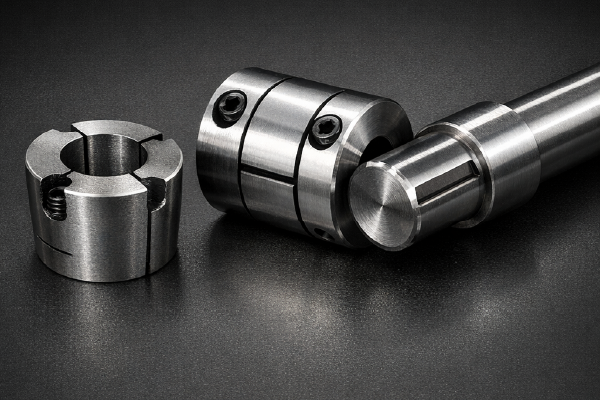
CNC Turning: Precision Is About More Than Holding a Diameter
Precision CNC turning depends on more than tight tolerances. Learn why design intent, machining strategy, process control, and production goals provide essential context for better machining decisions.
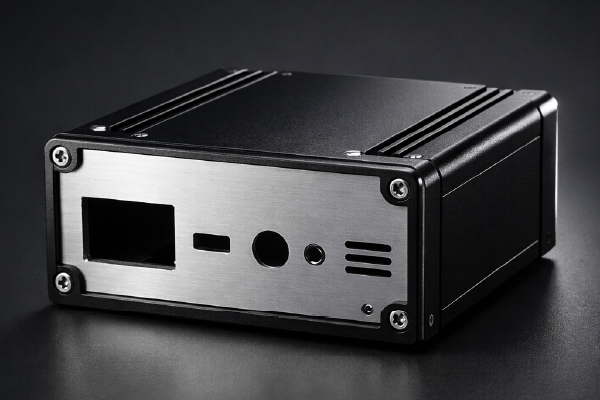
Electronics Enclosure Fabrication: Why the Last Steps Should Come First
Finishing and assembly are not afterthoughts. Learn how integrated planning can improve electronics enclosure fabrication, quality, lead time, and delivery.
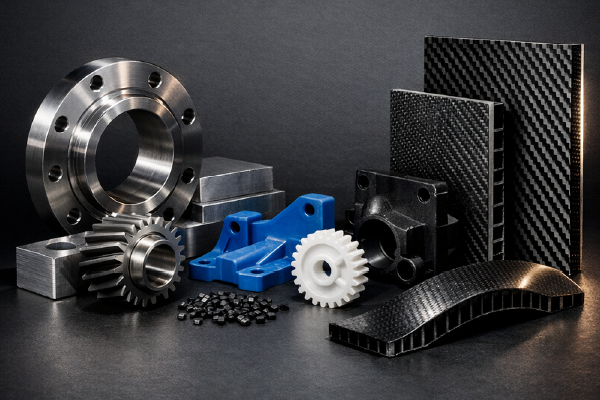
Material Selection Is About More Than Performance
Material selection should consider performance, manufacturability, availability, cost stability, and sourcing risk to help reduce delays and control total project cost.

Prototek Appoints Madan Mathevan as Chief Executive Officer
Prototek, a leading national provider of advanced on-demand manufacturing services, is pleased to announce the appointment of Madan Mathevan as Chief Executive Officer.
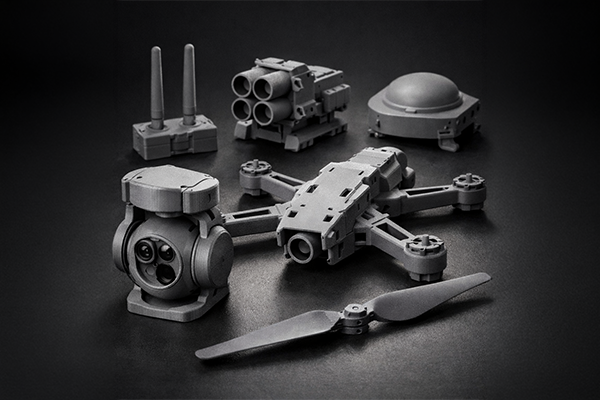
Why Additive Manufacturing Is Winning the Drone Race
Drone programs are pushing beyond the limits of traditional tooling. Learn how additive manufacturing helps engineers accelerate development, reduce weight, and move from prototype to production with confidence.

CMMC May Be Under Review. Cybersecurity Still Matters.
In a rapidly evolving cybersecurity landscape, the Department of Defense is pausing the rollout of the Cybersecurity Maturity Model Certification (CMMC) to ensure robust protections for sensitive information. At Prototek, we understand that strong cybersecurity is not just a requirement—it's a commitment to our customers.
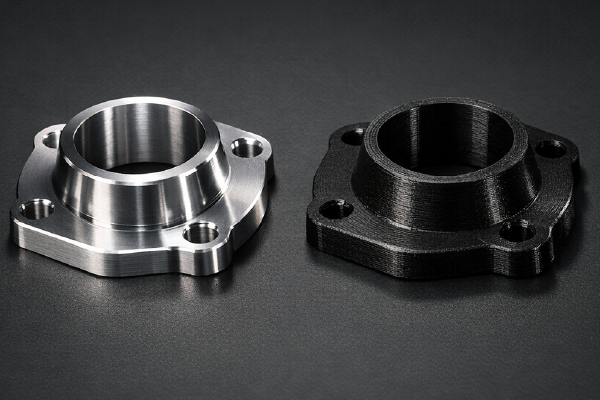
An Overview of CNC Machining vs Additive Manufacturing
When facing the choice between CNC machining and additive manufacturing, you'll have to take a look at your project's requirements. Considerations should include precision, complexity, volume, material, and cost.
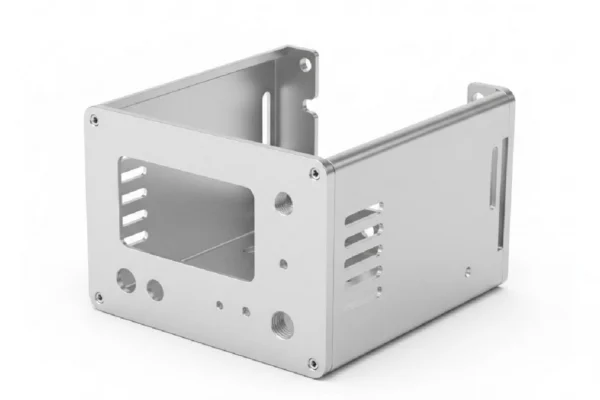
Sheet Metal Design: 10 Mistakes to Avoid
Understanding what not to do in sheet metal design is crucial for creating manufacturable, cost-effective parts, which keeps readers engaged and focused on practical outcomes.
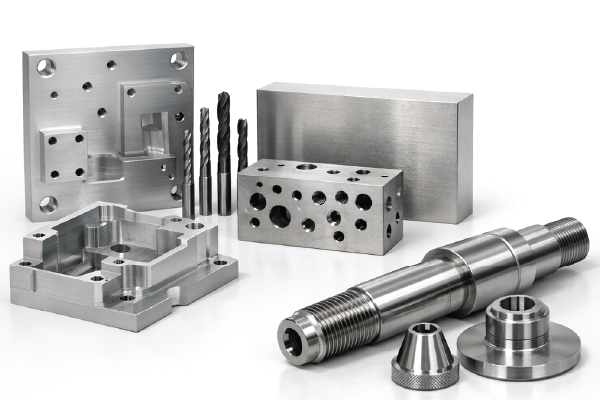
An overview of CNC machining
CNC machining is an automated manufacturing process that is highly precise for real-world applications. From CAD design to finishing, this method of manufacturing allows for the production of complex, high-tolerance components across several industries using a number of materials.
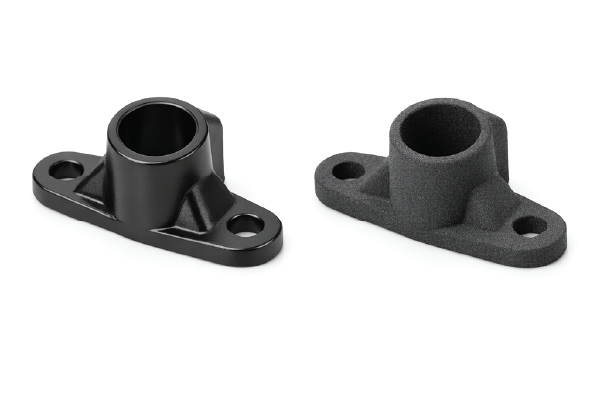
Comparing Processes: Injection Molding vs 3D printing
Inevitably, if you're a product designer or engineer, you will probably face the choice of injection molding vs 3D printing. They are both transformative technologies. Injection molding dominates for high-volume production, and is cost-friendly if the volumes are high, a wide variety of materials, and excellent surface qualities. Meanwhile, 3D...
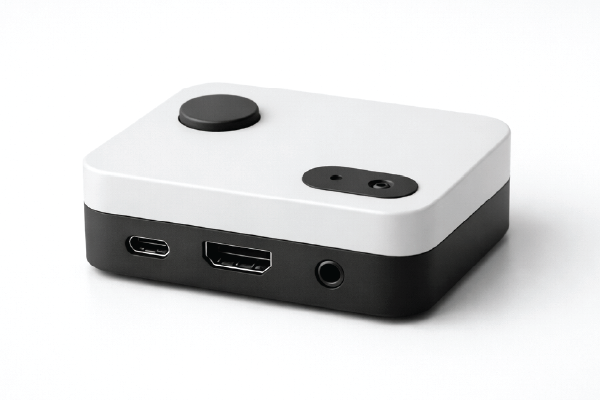
How to choose a rapid prototyping process.
Prototyping is the first step in transforming your ideas into tangible products. With rapid prototyping, designers and engineers can quickly create and test models, refining their designs in record time and at a fraction of the cost. This innovative approach not only accelerates development but also enhances communication among teams...

Stereolithography Design Tips Guide
Stereolithograph (SLA) is an additive manufacturing service that Prototek offers. It is unmatched precision, surface finish, and material versatility for prototyping to low-volume production. The design rules for SLA, material selection, and post-processing or finishing can be incredibly beneficial for engineers and product designers.
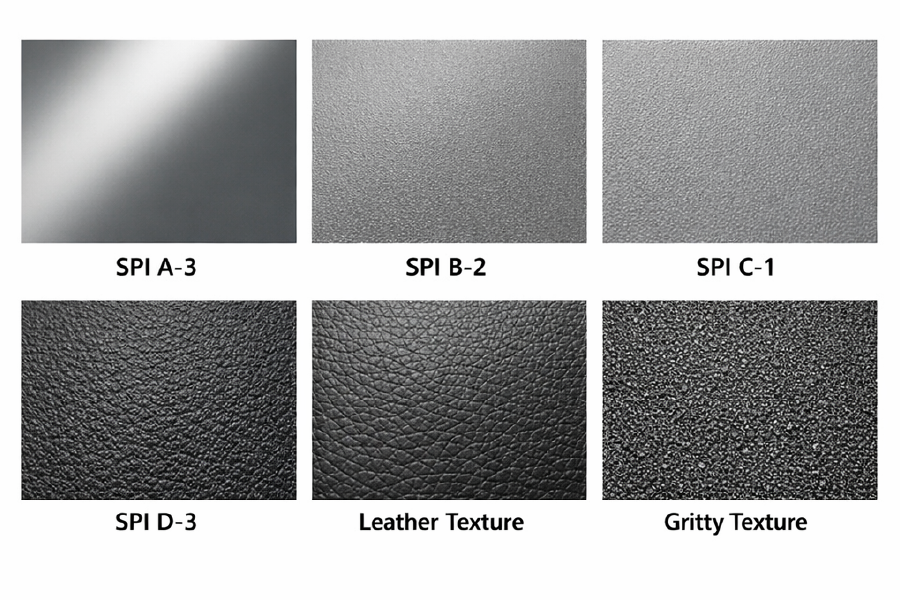
Injection Molding Surface Finishes
When considering injection molding for your project, the surface finish should be part of your product design. It will influence the look and feel of the parts as well as the functionality, durability, and manufacturability. We will discuss the standards, types, processes, and selection criteria that engineers and designers need...
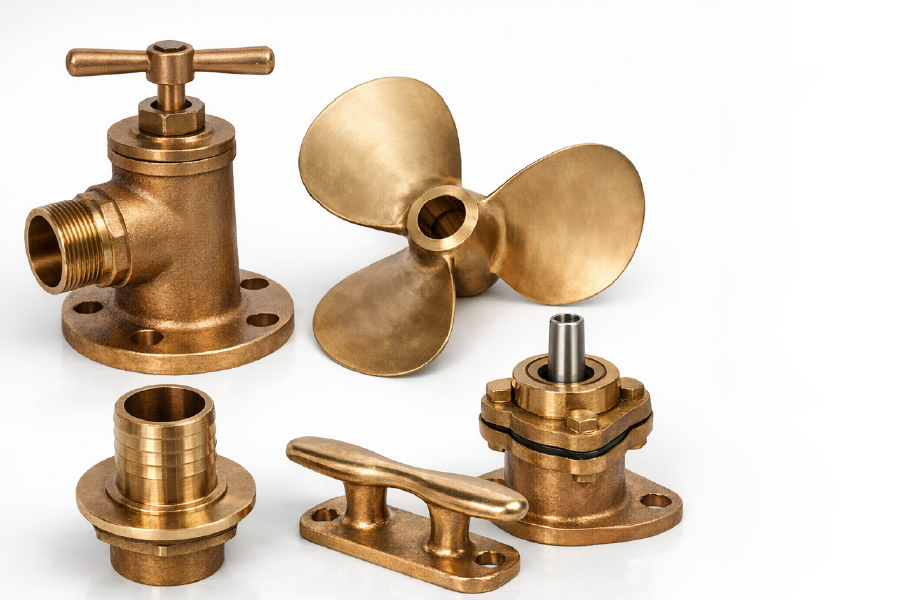
What is bronze, and why is it important?
Bronze is a specialized copper-based alloy. Strength, corrosion resistance, and versatility are a few of its favorable properties. Throughout history, beginning with the Bronze Age, it has been a fine choice for applications that need to withstand high-stress environments.
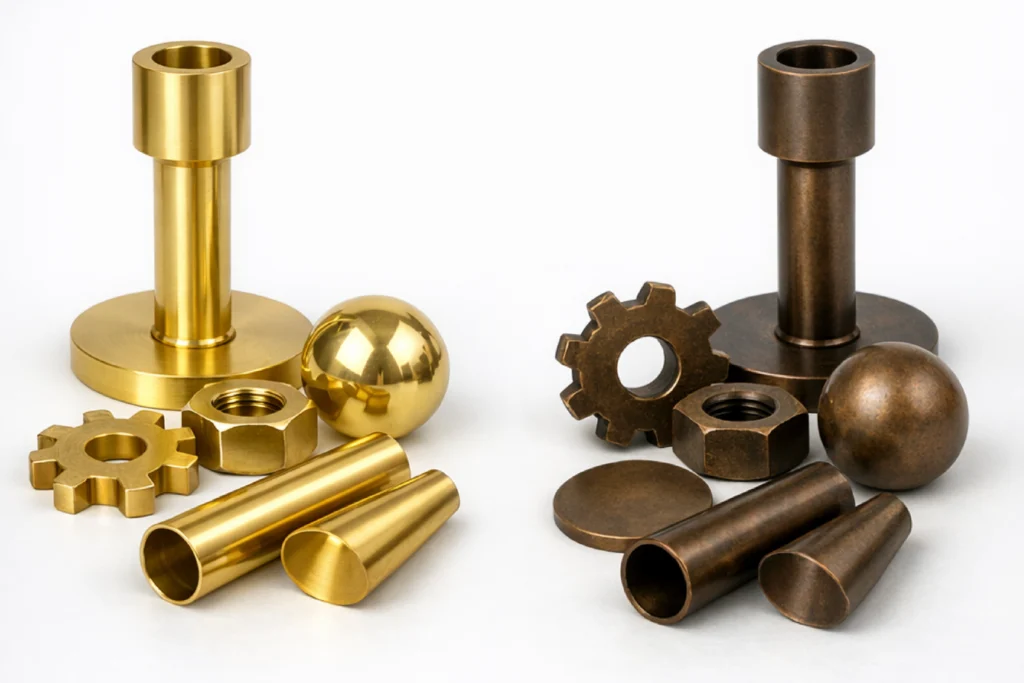
Manufacturing Materials: Brass vs Bronze
The choice between bronze and brass for your project can come down to cost, performance, durability, and sustainability. Like many material choices, both of these materials have pros and cons depending on the application. In this blog post, we will present a data-driven comparison to help you decide which alloy...
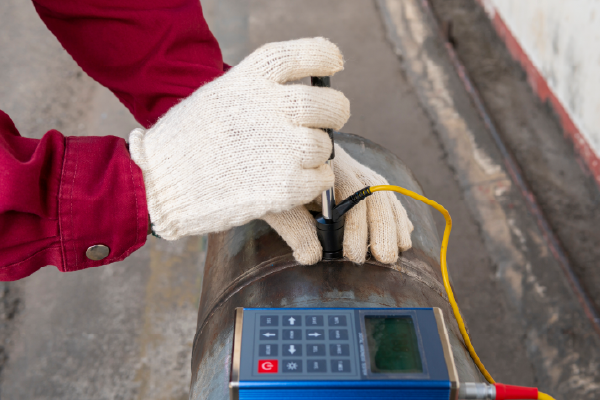
A Guide to Material Hardness Testing
Material hardness testing ensures the quality, durability, and performance of metals and alloys in industries such as aerospace and construction. Our guide covers the four most common methods for testing material hardness: Brinell, Rockwell, Vickers, and Leeb. We will discuss their principles, procedures, applications, and how to choose the right...
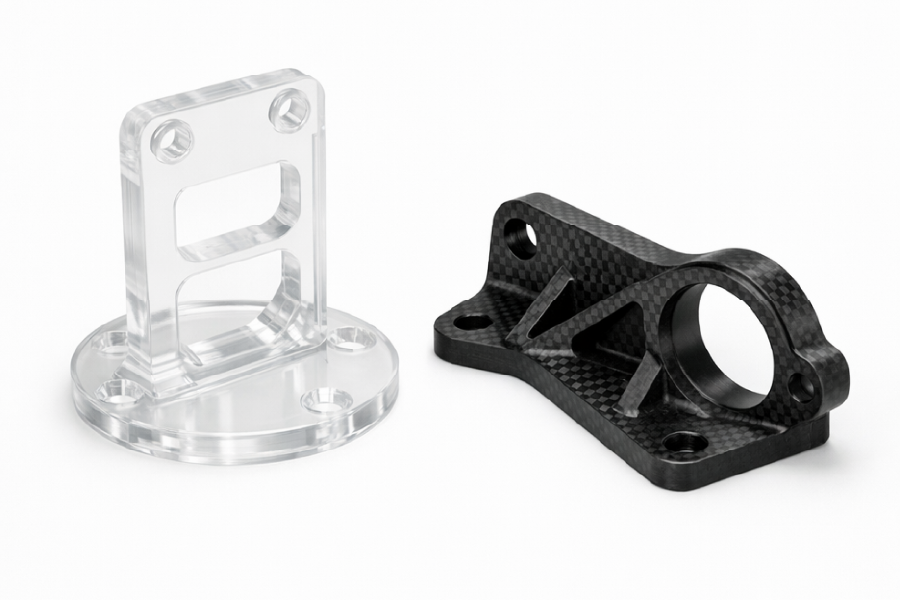
Manufacturing: Composites vs Traditional Plastic Materials
Composites are fiber-reinforced plastics. These materials are transforming the manufacturing industry. They offer greater strength, lightweight properties, and design flexibility. Composites are ideal for high-performance applications. In contrast, traditional plastics remain a dependable choice for high-volume, cost-sensitive applications. Choosing between composites and traditional plastics depends on factors such as performance,...
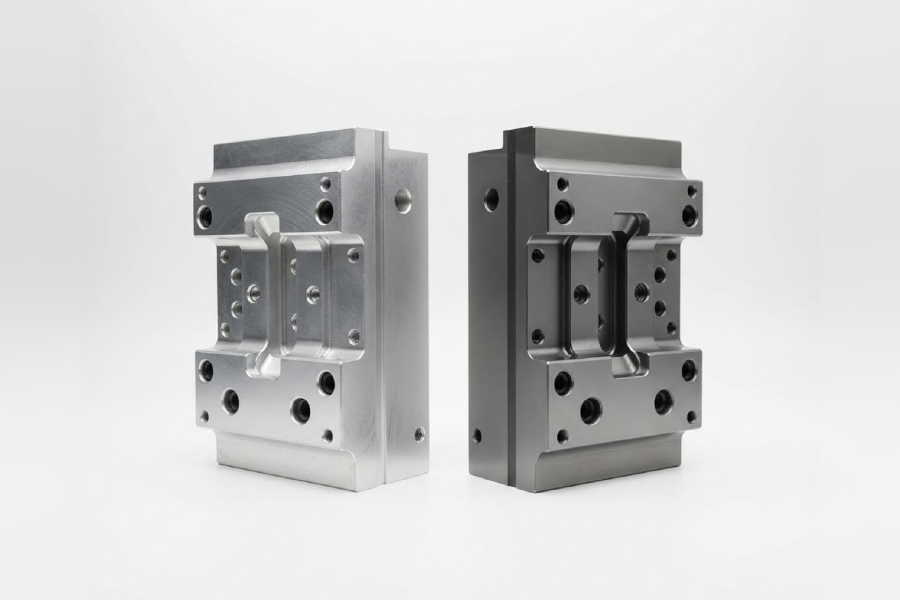
A Guide to Aluminum vs Steel Tooling for Injection Molding
One of the biggest choices in tooling for injection molding projects is what material to use for tooling. Aluminum or steel? The decision will directly affect the mold's cost, lead time, part quality, and longevity. In this blog post, we take a look at a comprehensive, data-driven comparison for your...
Prototek Earns CMMC Level 2 and Prototek IQ Supports ITAR
Prototek is proud to announce significant advancements in its defense-ready capabilities, achieving CMMC Level 2 certification and expanding its Prototek IQ platform to support ITAR-compliant projects. These milestones enhance Prototek’s role as a trusted partner in the aerospace and defense sectors, ensuring secure and compliant manufacturing solutions.
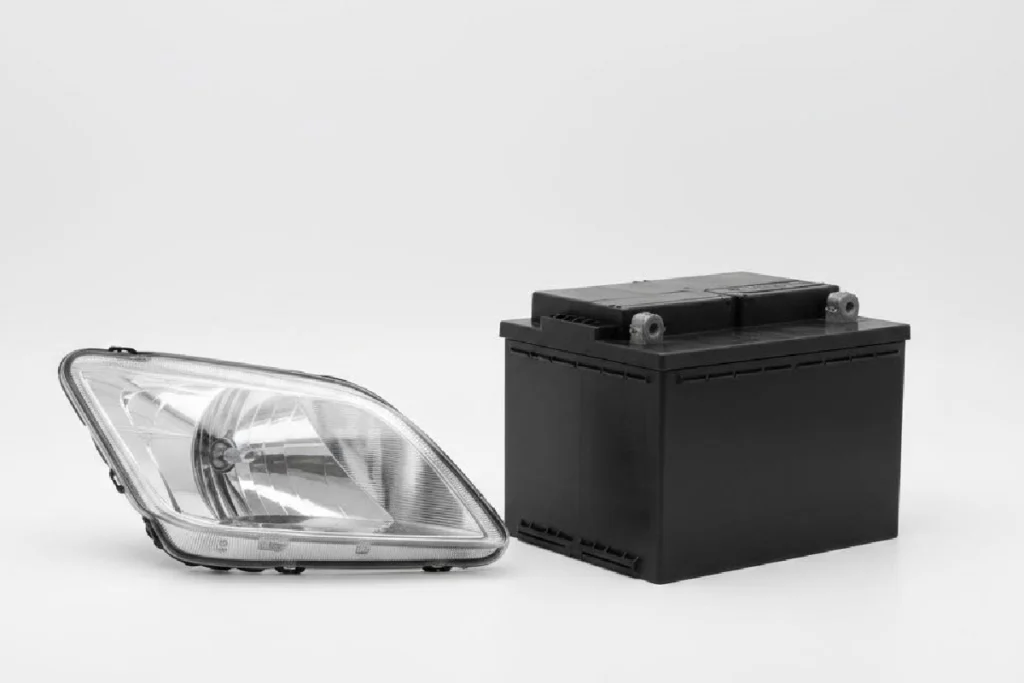
Comparison Guide: Polycarbonate vs Polypropylene
Polycarbonate and Polypropylene are two of the most common everyday plastics. When deciding which choice is best for your project, focus on performance requirements. Polycarbonate offers superior strength, clarity, and heat resistance. Polypropylene, on the other hand, is a standout for chemical resistance, low cost, and ease of processing.
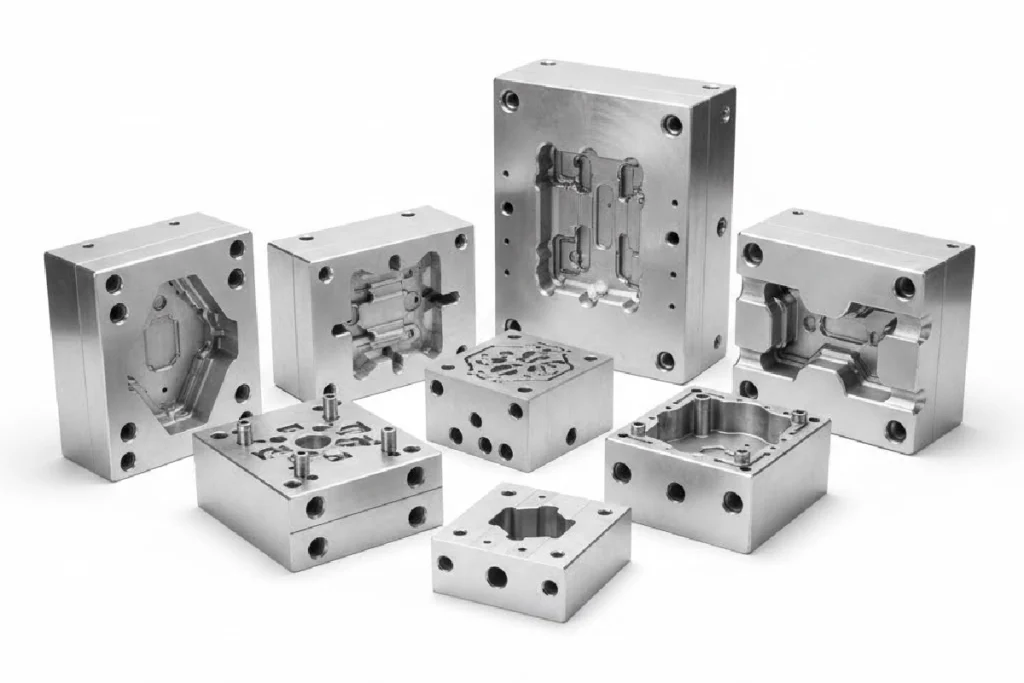
Optimize Aluminum Tooling for High-Volume Injection Molding
Discover how aluminum tooling is revolutionizing high-volume injection molding! Once deemed unsuitable for large-scale production, aluminum has become a viable option for manufacturers thanks to advancements in alloy technology and mold design. With significant cost savings, reduced cycle times, and the ability to produce high-quality parts, aluminum molds are now...

3D Printing for Defense: From Prototyping to Production
Discover how the defense industry is revolutionizing its production processes with 3D printing, transitioning from rapid prototyping to full-scale manufacturing of mission-critical components. This innovative technology is enhancing operational readiness, improving supply chain resilience, and enabling the creation of lightweight, complex designs that were once deemed impossible. From flight helmets...

Prototek Welcomes John Sidorowicz as CCO
Prototek announces the appointment of John Sidorowicz as Chief Commercial Officer. This leadership role will guide commercial strategy and strengthen alignment across customer engagement, quoting, and operational execution.
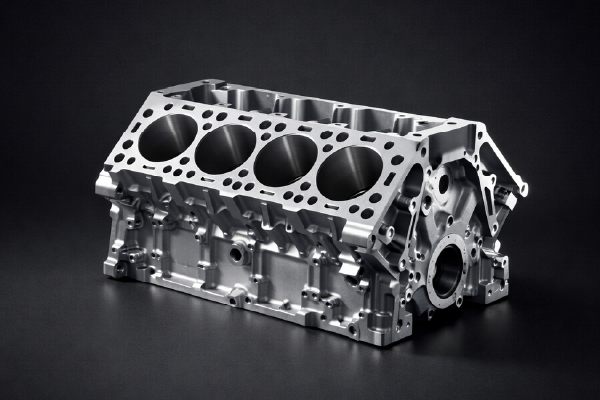
What is aluminum, and why is it so ubiquitous?
Aluminum is a remarkable metal that plays a crucial role in our daily lives, from the lightweight frames of airplanes to the sleek bodies of smartphones. As the most abundant metal in Earth's crust, it has unique properties—such as exceptional strength, corrosion resistance, and excellent conductivity—that make it a favorite...

Engineer Tools: Bolt Fastener and Holes Chart ISO 286
ISO 286 is where precision meets compatibility in engineering! This standardized system for tolerances, deviations, and fits ensures that your bolt fasteners and holes work seamlessly together, minimizing issues like friction and wear. Learn about the critical tolerance grades for both holes and bolts, and explore the comprehensive charts that...