
3D Printing

Not Every Flexible Part Needs a Mold
When a part needs to flex, bend, cushion, seal, or absorb impact, it is easy to jump straight to molding. But the manufacturing decision gets more interesting when the quantity is modest, the design is still evolving, or tooling cost and lead time start to compete with the needs of...
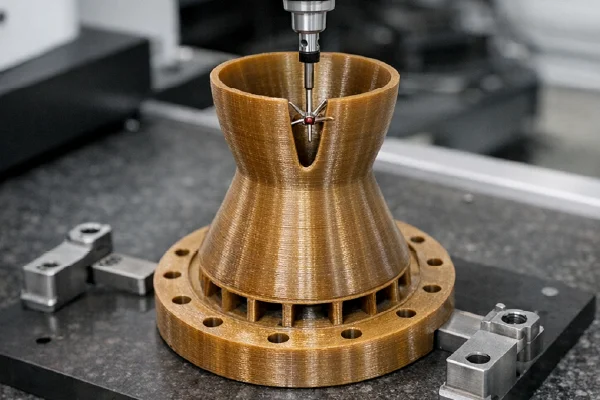
Beyond the Printed Part: Choosing an Additive Manufacturing Partner for Defense
Additive manufacturing for defense requires more than printing capability. Learn how engineering support, secondary operations, quality, security, and supplier readiness can support demanding defense programs.
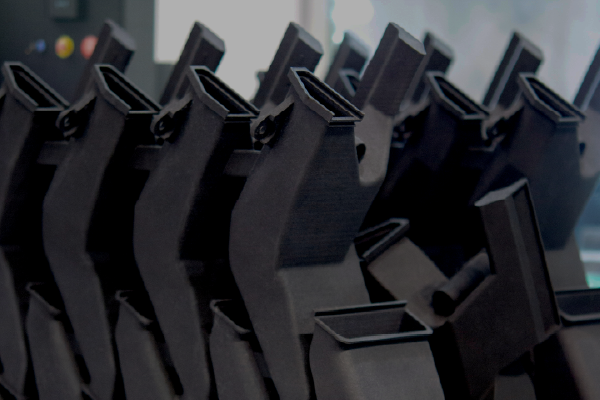
Is Your Additive Prototype Production-Ready?
A successful additive prototype is only the first step. Learn what changes when an additive part moves into repeatable production.
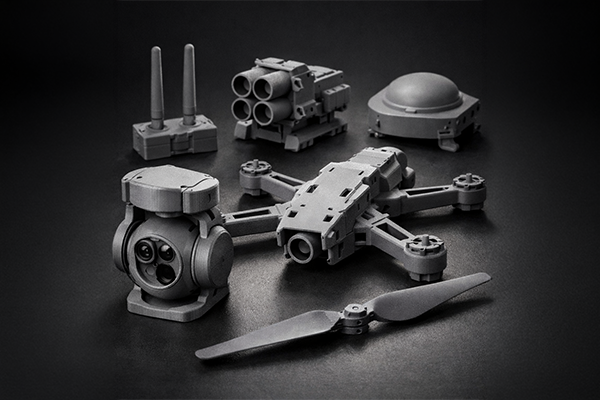
Why Additive Manufacturing Is Winning the Drone Race
Drone programs are pushing beyond the limits of traditional tooling. Learn how additive manufacturing helps engineers accelerate development, reduce weight, and move from prototype to production with confidence.
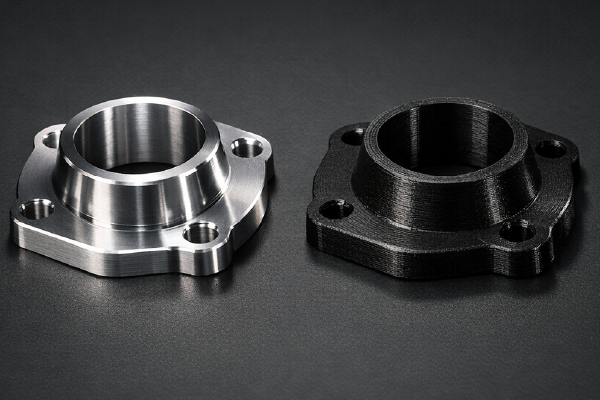
An Overview of CNC Machining vs Additive Manufacturing
When facing the choice between CNC machining and additive manufacturing, you'll have to take a look at your project's requirements. Considerations should include precision, complexity, volume, material, and cost.
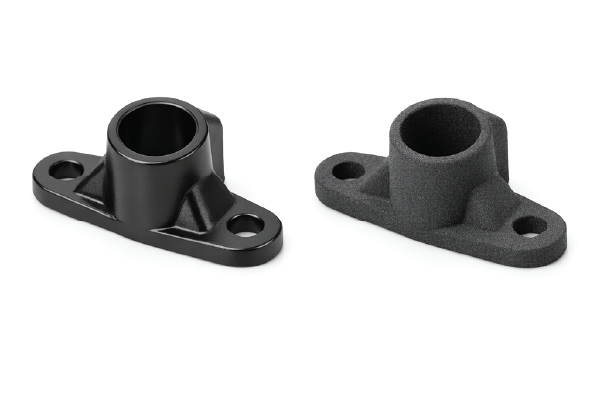
Comparing Processes: Injection Molding vs 3D printing
Inevitably, if you're a product designer or engineer, you will probably face the choice of injection molding vs 3D printing. They are both transformative technologies. Injection molding dominates for high-volume production, and is cost-friendly if the volumes are high, a wide variety of materials, and excellent surface qualities. Meanwhile, 3D...

Stereolithography Design Tips Guide
Stereolithograph (SLA) is an additive manufacturing service that Prototek offers. It is unmatched precision, surface finish, and material versatility for prototyping to low-volume production. The design rules for SLA, material selection, and post-processing or finishing can be incredibly beneficial for engineers and product designers.

3D Printing for Defense: From Prototyping to Production
Discover how the defense industry is revolutionizing its production processes with 3D printing, transitioning from rapid prototyping to full-scale manufacturing of mission-critical components. This innovative technology is enhancing operational readiness, improving supply chain resilience, and enabling the creation of lightweight, complex designs that were once deemed impossible. From flight helmets...

How to Choose the Right 3D Printing Filament
Choosing the right 3D printing filament can significantly impact your project's success, from aesthetics to functionality. With materials like PLA, ABS, PETG, and Nylon, each offering unique properties, the decision can feel overwhelming. This guide breaks down essential characteristics and ideal uses for each filament type, empowering you to make...

3D Printing in Aerospace: Revolutionizing Part Manufacturing
This innovative technology reduces waste and production costs and creates lightweight parts that meet the industry's stringent requirements. From aircraft and rocket engines to drones and maintenance solutions, 3D printing is paving the way for a more efficient and sustainable future in aerospace.
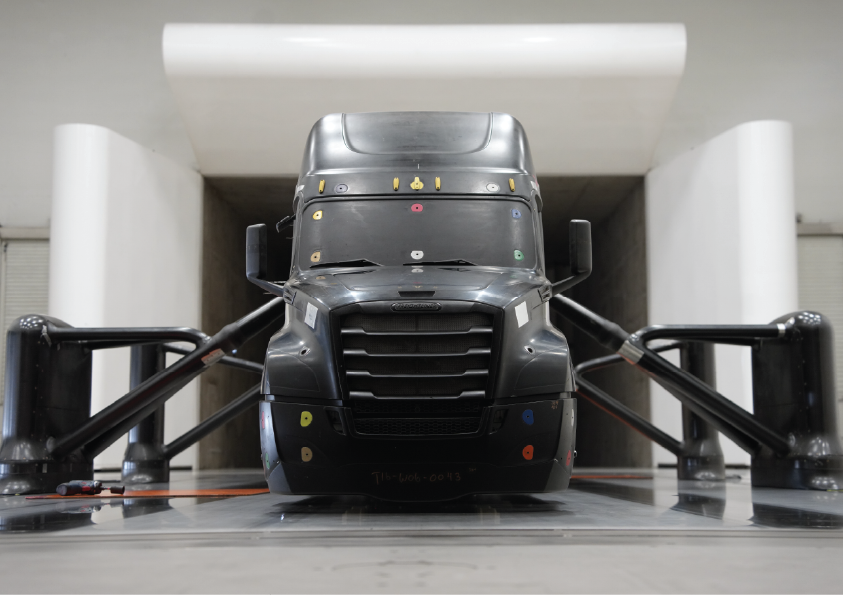
3D-Printed Carbon Fiber Applications
Explore 3D-printed carbon fiber is changing industries like aerospace and automotive by creating substantial, lightweight parts. You can find it in high-performance car parts and custom prosthetics, making it a key development in manufacturing.
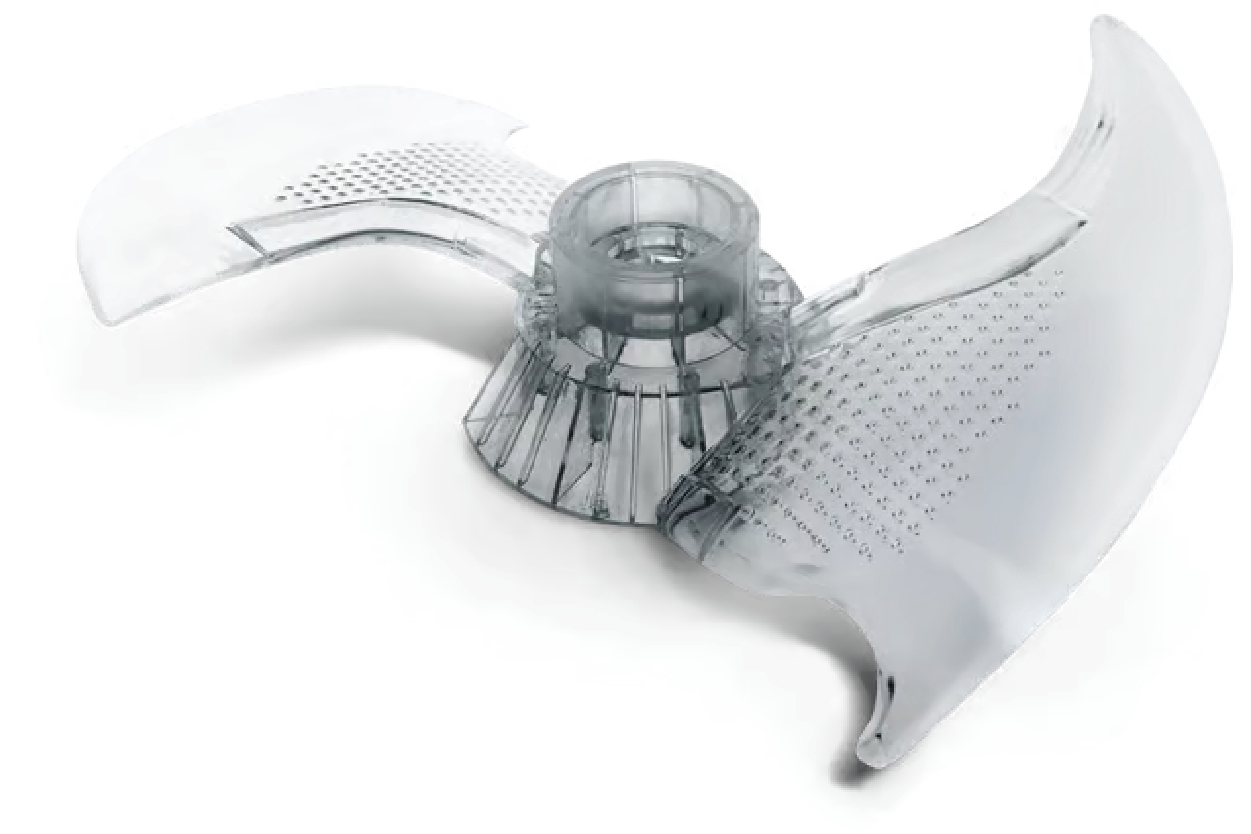
Clear and Translucent 3D Printing Resins
Clear and translucent 3D printing resins—such as Accura® 60, Accura® ClearVue, Somos® BioClear, Somos® WaterClear Ultra 10122, Somos® WaterShed XC 11122, Loctite3D IND405 Clear, and Vero Clear—enable the creation of visually stunning, functional, and optically precise parts for industries ranging from medical to automotive. Each material offers strengths in terms...
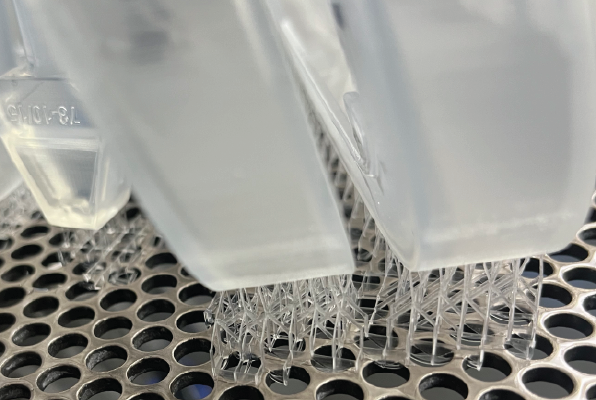
What Are 3D Printed Supports and Why Are They Important?
Understanding the crucial role of support structures in 3D printing. They stabilize designs, prevent failures, and improve quality across techniques like stereolithography and fused filament fabrication. To enhance your prints, minimize overhangs, and choose the proper support.
Why Are STL Files Important in 3D Printing?
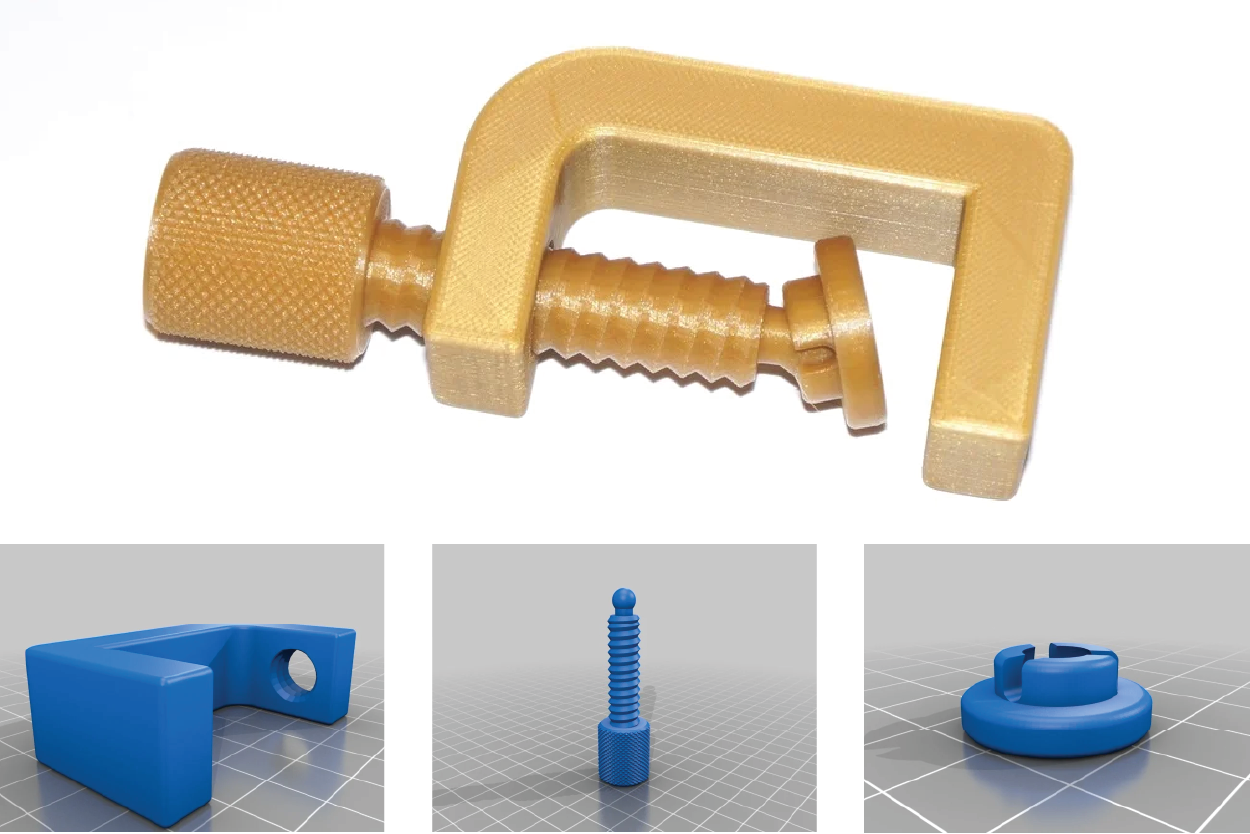
STL files are crucial for 3D printing, as they convert 3D models into physical objects. If you're involved in additive manufacturing, understanding STL files is essential. This post will highlight their importance and how they enable the creation of custom parts and products.
An Overview of 3D Printing Technologies.
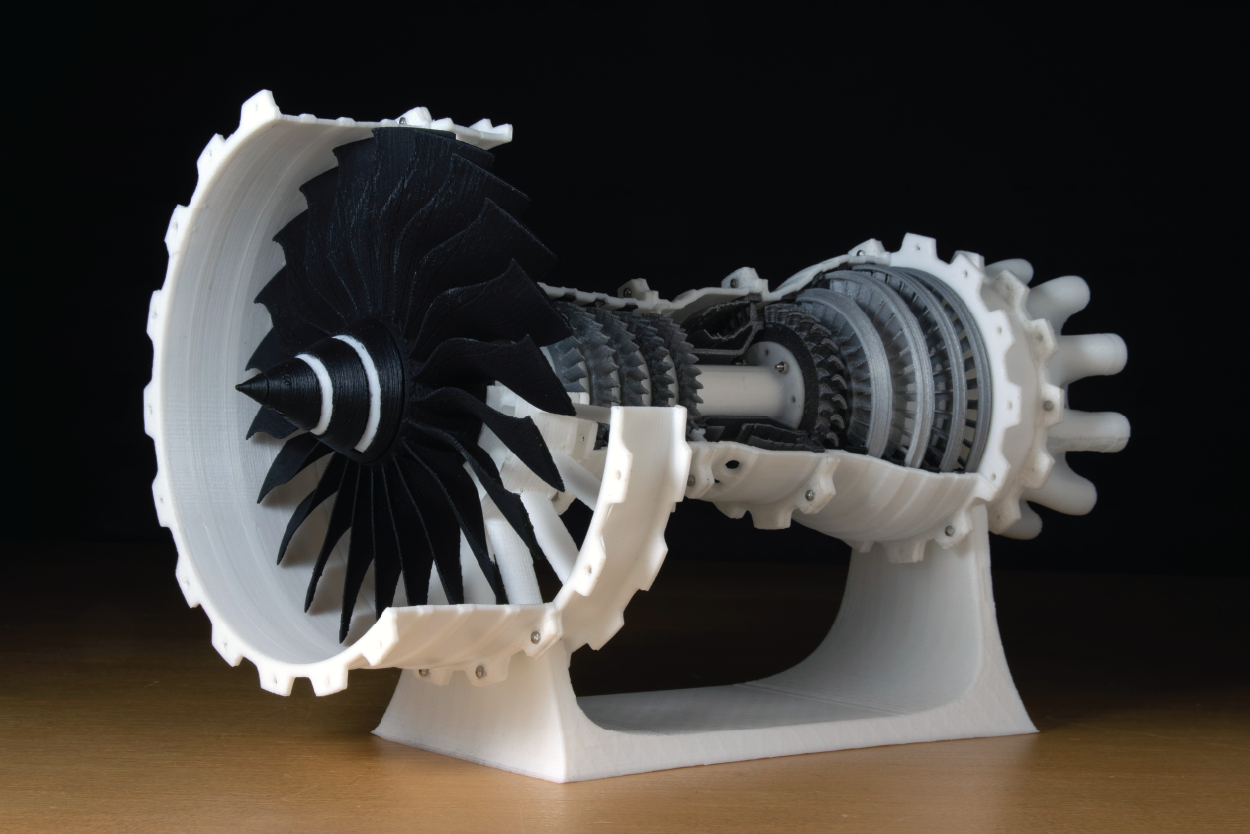
From the precision of Selective Laser Sintering (SLS) to the speed of Digital Light Processing (DLP), each method offers unique advantages that enhance design, prototyping, and production. As industries embrace these innovations, the possibilities for custom parts and sustainable practices are expanding.
3D Printing Replacement Parts
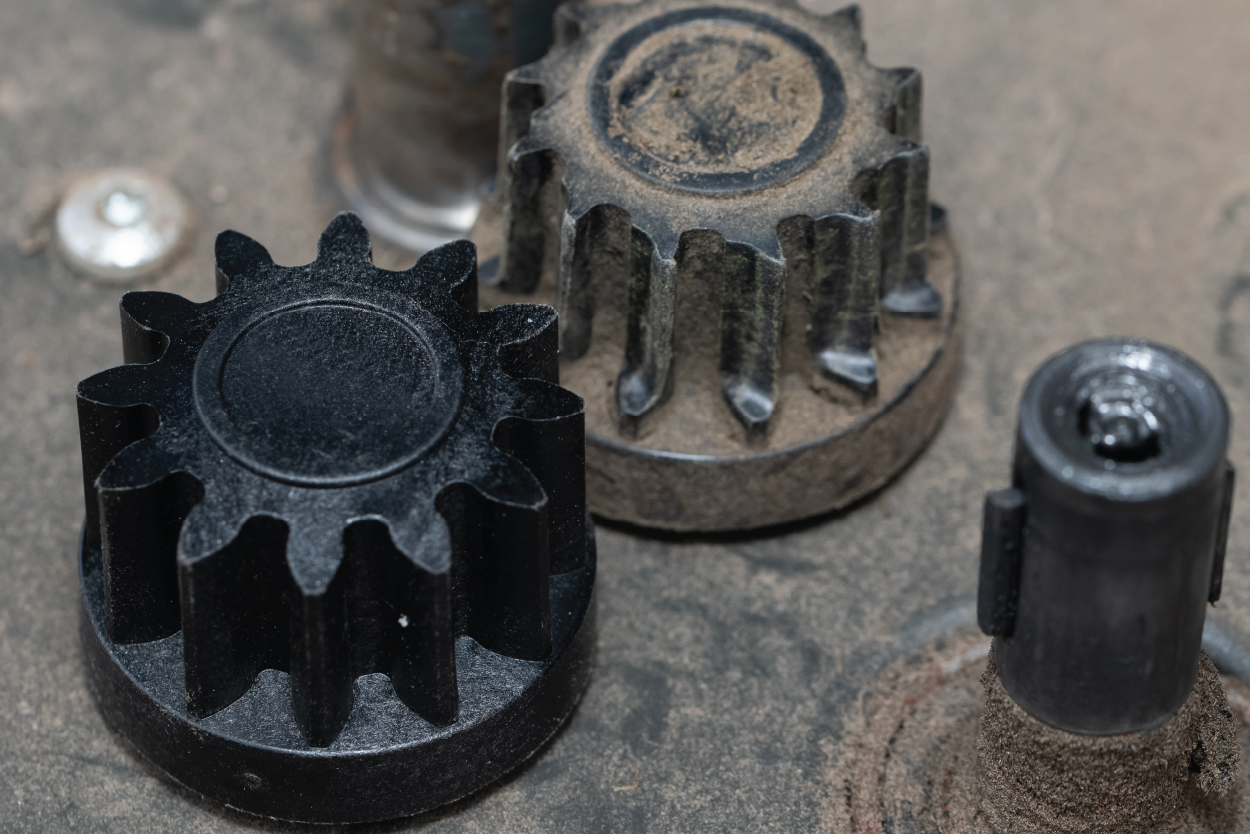
In today's fast-paced engineering landscape, the ability to quickly create replacement parts can drastically reduce downtime and costs. Discover how 3D printing technologies are revolutionizing this process, offering tailored solutions for wear and tear, obsolescence, and customization. Ready to transform your approach to replacement parts?
SLA QuickCast® vs. Investment Casting
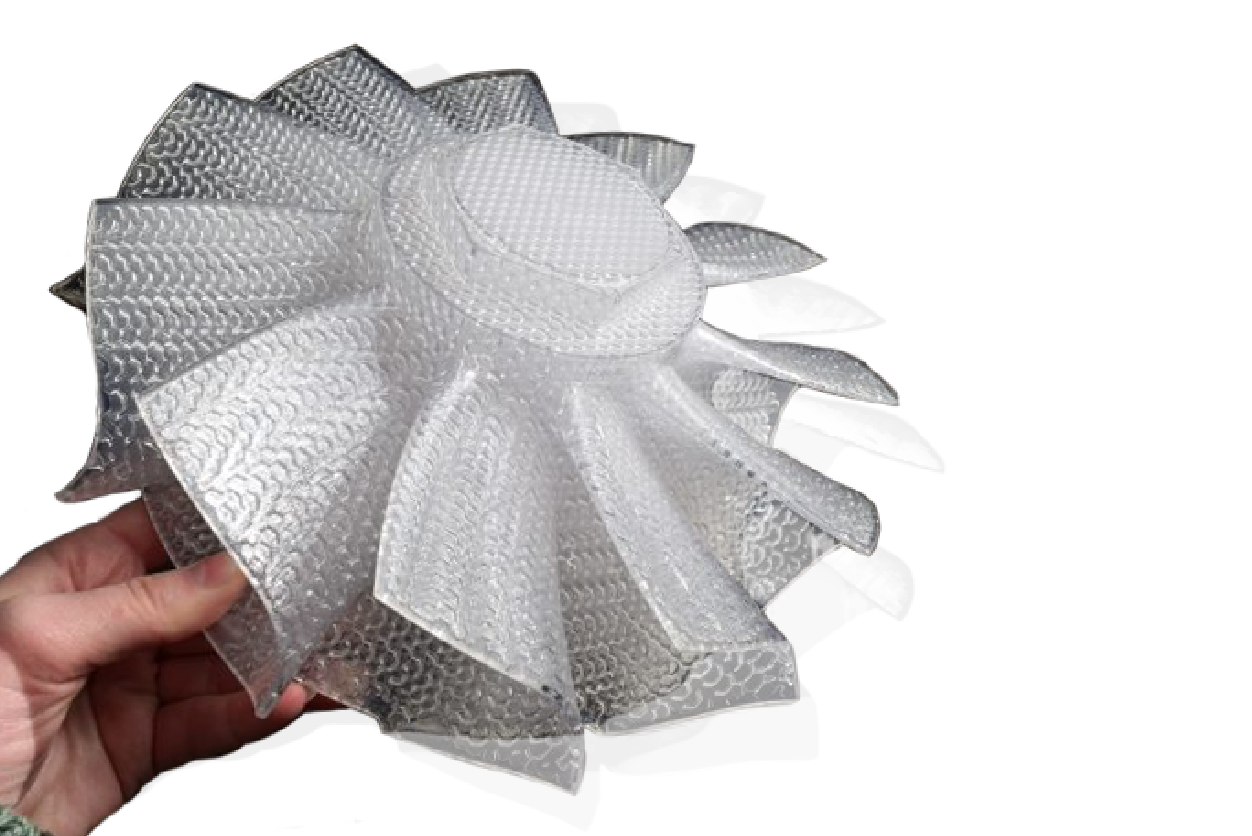
Discover the advantages of SLA QuickCast® compared to traditional investment casting. SLA QuickCast® offers a quicker and more cost-effective option than conventional investment casting. By harnessing the precision and speed of additive manufacturing, QuickCast® patterns can be rapidly produced, cutting down lead times and facilitating fast product development.
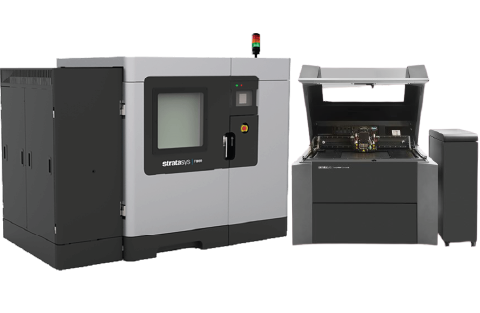
AM Nozzle-Based Technologies
When considering additive manufacturing (AM) technologies, it is important to compare the benefits of fused filament fabrication and material jetting. Understanding the strengths and limitations of each method can help determine which is better suited for your specific project requirements.
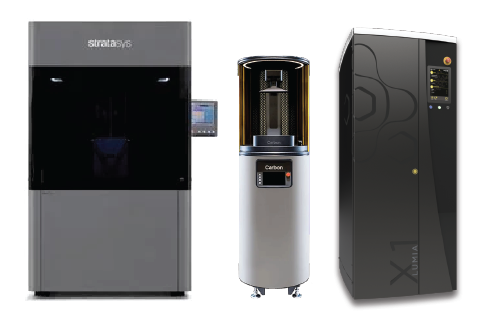
AM Photopolymer Based Technologies
A thorough examination of additive manufacturing photopolymer technologies, including stereolithography, digital light processing, and hybrid photosynthesis, delve into their capabilities, applications, advantages, and limitations. This analysis aims to understand how each technology functions, its diverse range of applications, its benefits, and the constraints it may present in different manufacturing scenarios.
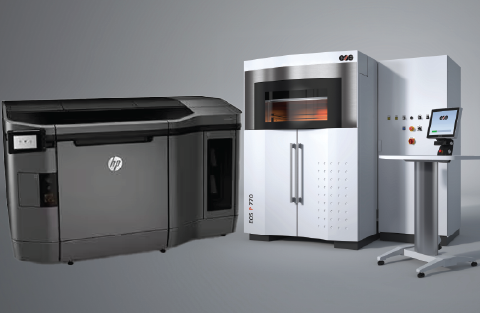
AM Powder Bed Technologies
Check out this comparison guide to powder bed additive manufacturing. This process involves advanced selective laser sintering and multi-jet fusion technologies, allowing for the precise creation of complex 3D-printed objects. It offers endless manufacturing and design opportunities, particularly in aerospace, automotive, healthcare, and consumer goods.
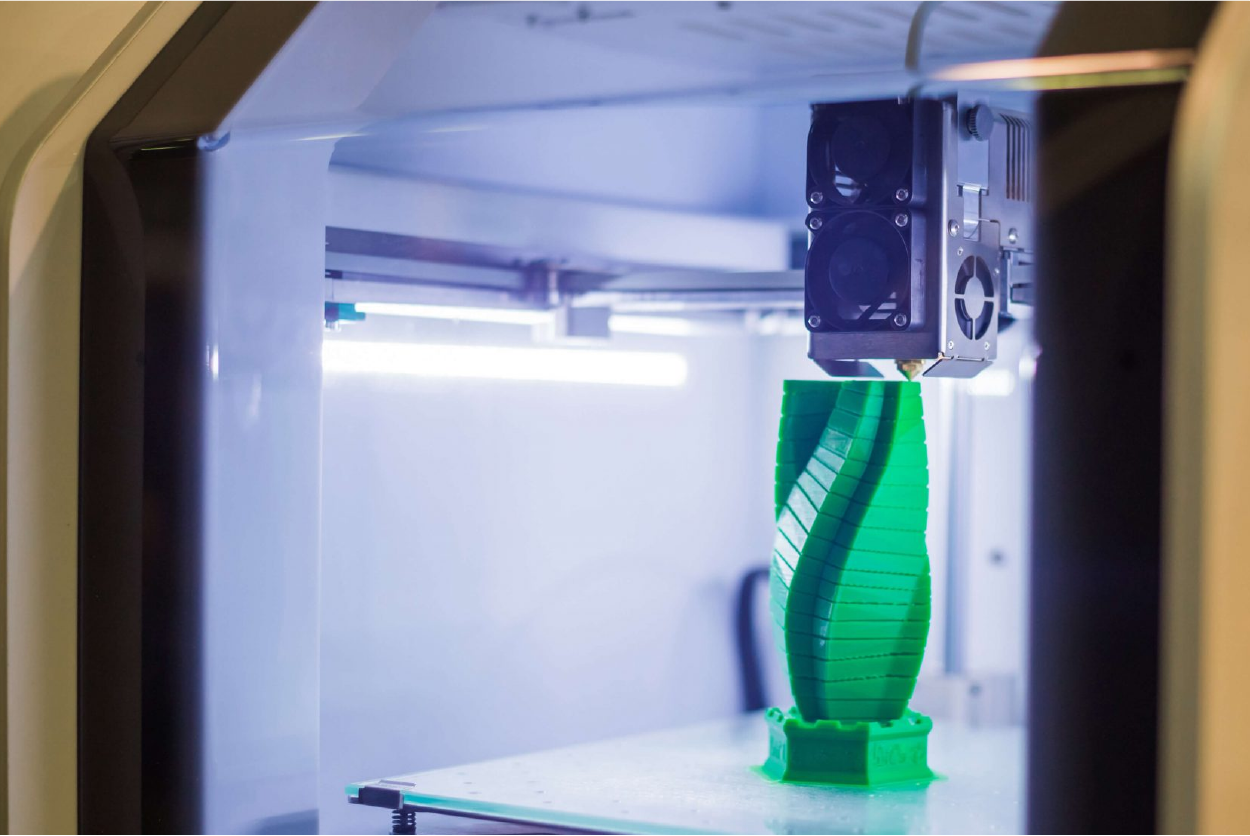
What is 3D printing?
Are you curious about the difference of 3D printing and industrial 3D printing or additive manufacturing and how it's shaping the future of manufacturing and design? Discover how this innovative technology has evolved, from its humble beginnings in the 1980s to its widespread adoption in various industries today.
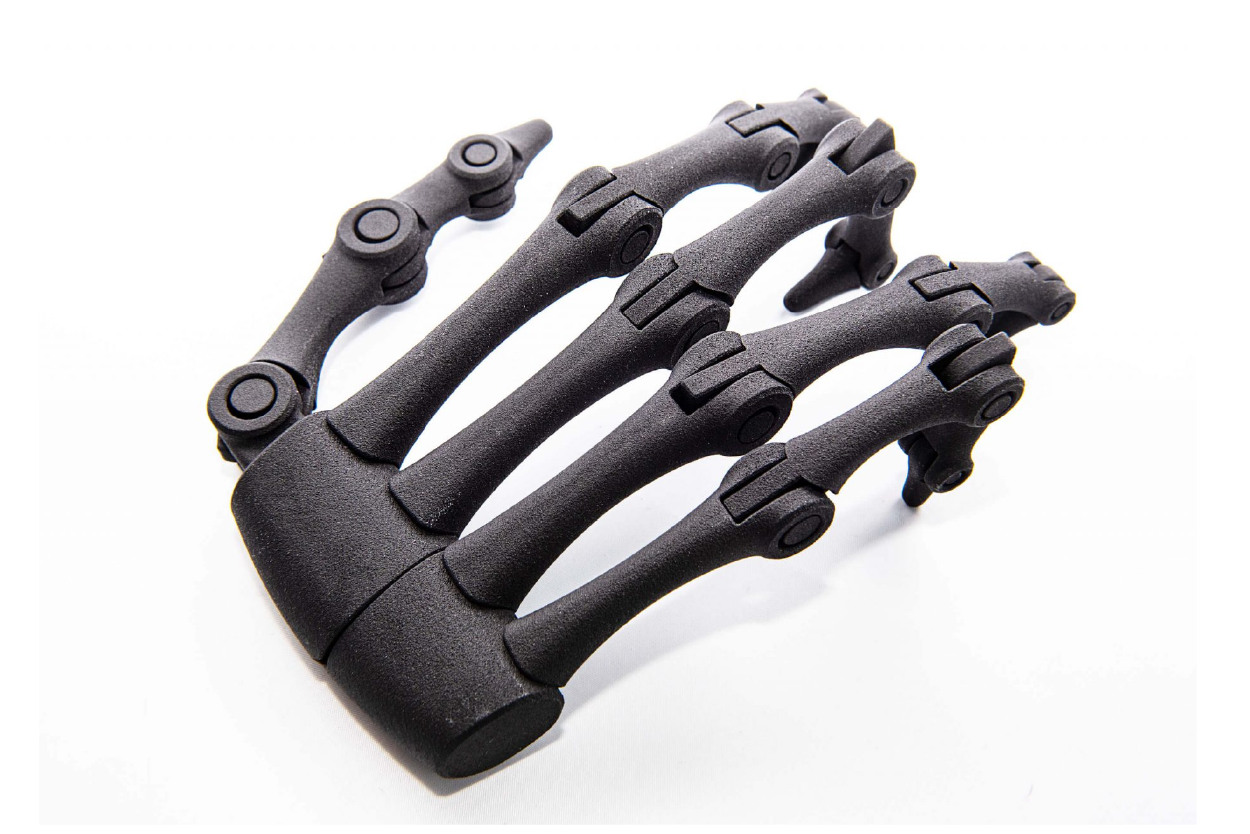
What is HP’s MJF 3D Printing?
Explore the capabilities of Multi-Jet Fusion (MJF) 3D printing technology, which is revolutionizing the production of complex and durable components for various manufacturing applications. Learn about MJF's exceptional strength, dimensional accuracy, and surface finish, making it the perfect choice for prototyping and production requirements.