In engineering, quickly creating replacement parts can significantly reduce downtime and costs. Three-dimensional printing, also known as additive manufacturing, has revolutionized this process. The various 3D printing methods produce high-quality parts tailored to the project’s requirements. In this blog post, we’ll explore several 3D printing techniques and how these methods can effectively create replacement parts.
First, why would replacement parts need to be created?
Creating replacement parts may be necessary for various reasons across different industries and applications. Here are some triggers for producing replacement parts:
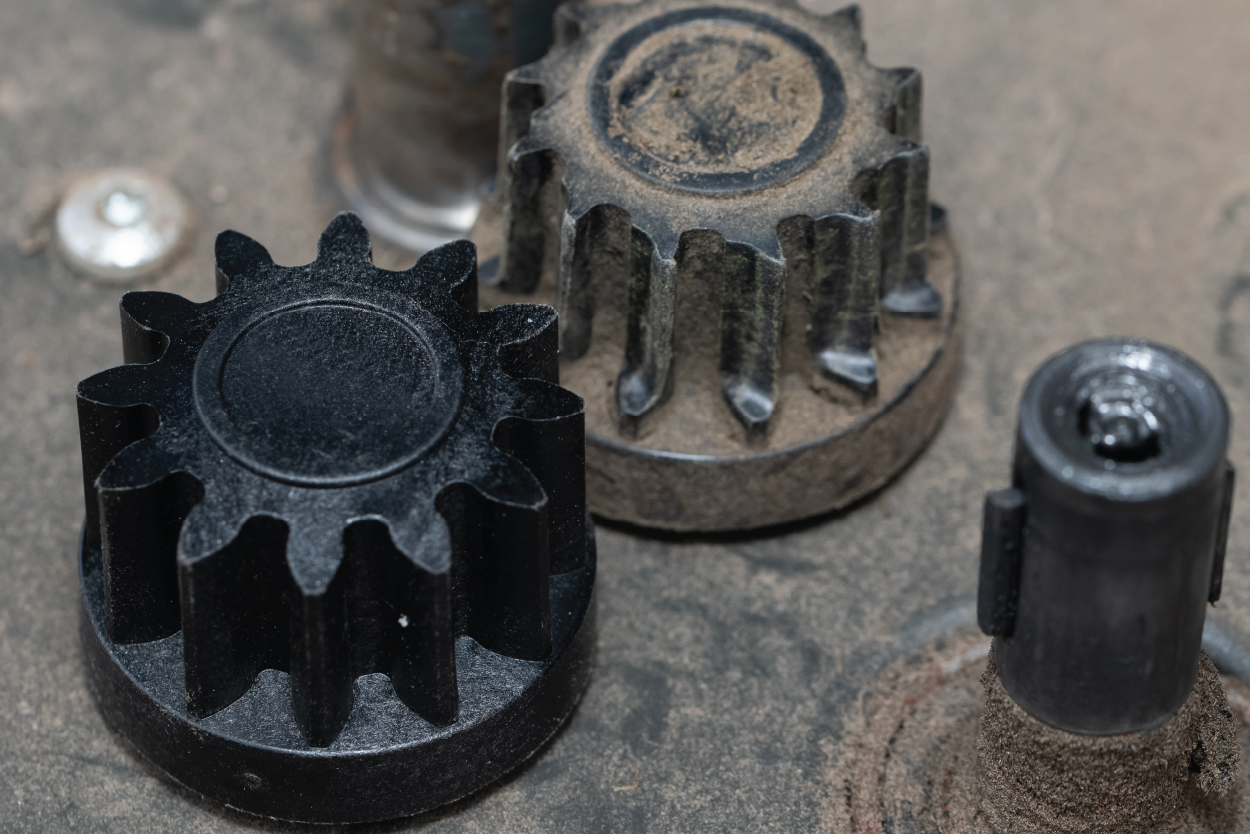
- Wear and Tear: Due to regular use, the parts of machinery and equipment can wear out over time. Replacement parts ensure operations can continue smoothly without significant downtime.
- Obsolescence: As technology evolves, some parts may become obsolete or cease to be manufactured—for example, a classic car. 3D-printing replacement parts can provide a solution for older equipment, prolonging its life and maintaining functionality.
- Customization: Certain applications require tailor-made parts to fit specific requirements. Creating custom replacement parts allows for adjustments to size, shape, or material properties.
- Cost Efficiency: Manufacturing replacement components through 3D printing can be more cost-effective than purchasing new equipment or sourcing parts from suppliers, especially in low quantities.
- Rapid Prototyping: In industries such as automotive or aerospace, quickly creating replacement parts for prototypes can accelerate the development process, enabling faster testing and iteration.
- Inventory Management: Maintaining an accurate inventory of standard replacement parts can prevent delays and storage issues. On-demand production using 3D printing can minimize the need for extensive inventories, allowing businesses to produce parts as needed.
- Reduced Downtime: Quick access to replacement parts means less downtime for machinery and equipment. In industries where time is money, it is crucial to have replacements readily available.
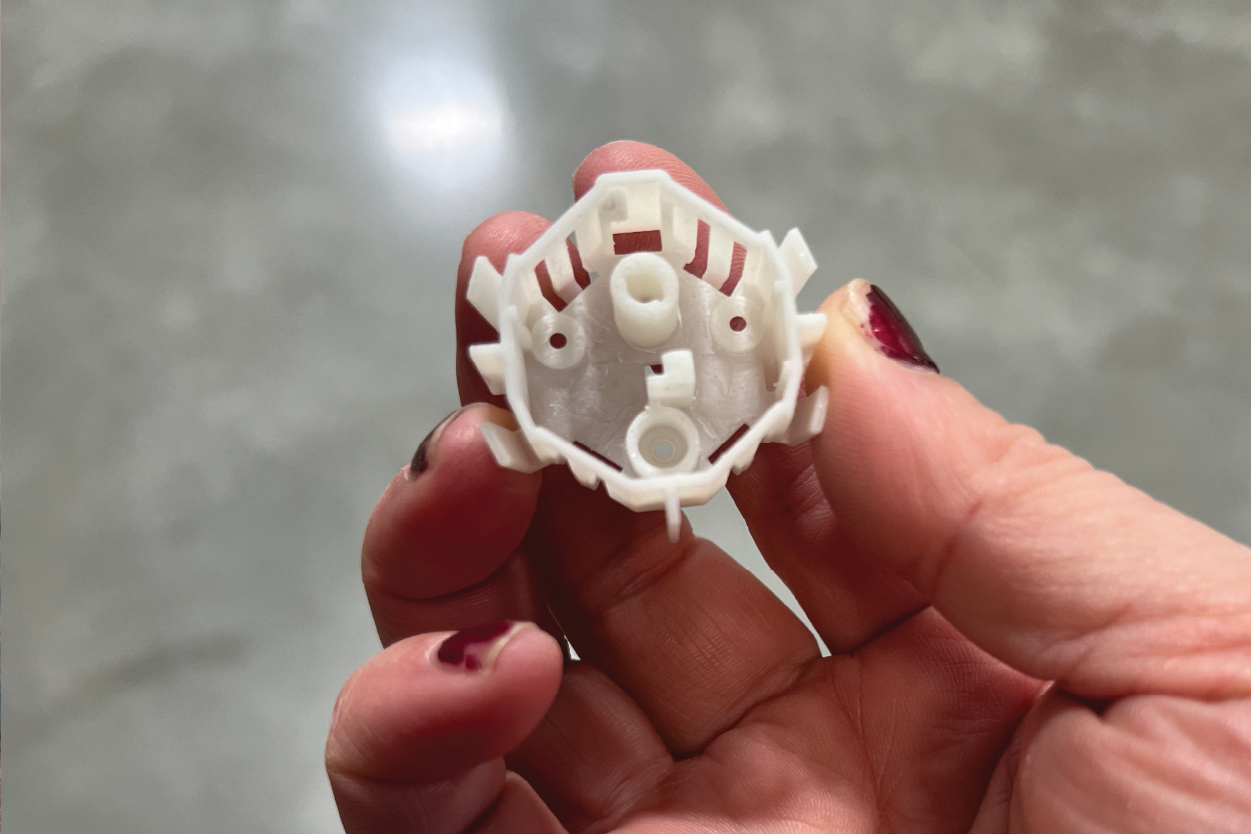
A few Additive Manufacturing Technologies to Consider
Additive manufacturing transforms the creation of replacement parts. This innovative process streamlines production, offering significant advantages over traditional methods.
Selective Laser Sintering (SLS)
SLS is a popular 3D printing technology that uses a high-powered laser to fuse a powdered material, layer by layer, into solid components. This method is beneficial for creating durable and complex geometries, making it ideal for use in replacement parts for industries such as aerospace and automotive. Key benefits of SLS include:
- Strength and Durability: Parts made with SLS are often stronger than those produced by traditional methods.
- Complex Designs: SLS allows for intricate designs that would be challenging to manufacture conventionally.
Multi-Jet Fusion (MJF)
Multi-Jet Fusion uses multiple jets to apply fusing agents onto powdered materials. This method accelerates the printing process and improves the mechanical properties of the produced parts. Advantages of MJF for replacement parts include:
- Speed: MJF can produce parts faster than many other methods, making it suitable for on-demand production and reducing inventory costs and lead times.
- High Detail: This technique offers excellent surface finish and detail, making it ideal for intricate replacement components.
Stereolithography (SLA)
SLA uses a laser to cure liquid resin into solid parts. This method is renowned for its exceptional precision and surface finish, making it particularly suitable for applications where aesthetics are crucial, such as in the medical or dental fields. Benefits of SLA include:
- Fine Detail: SLA’s ability to produce highly detailed parts with smooth surfaces is a testament to its precision. This ability makes it ideal for prototypes and replacement parts that require aesthetic quality.
- Material Variety: A wide range of resin materials, providing options for flexibility, rigidity, and other material properties.
- Fine Detail: SLA’s ability to produce highly detailed parts with smooth surfaces is a testament to its precision. This makes it ideal for prototypes and replacement parts that require aesthetic quality.
- Material Variety: Using a wide range of resins can provide options for flexibility, rigidity, and other material properties.
Fused Filament Fabrication (FFF)
FFF is one of the most common printing methods, where a thermoplastic filament is heated and extruded layer by layer to create parts. It’s widely accessible and cost-effective, making it a popular choice for producing replacement parts. Benefits of FFF include:
- Cost-Effectiveness: FFF printers are generally more affordable, making them accessible for small businesses and hobbyists.
- Material Diversity: A wide range of thermoplastics allows for various mechanical properties.
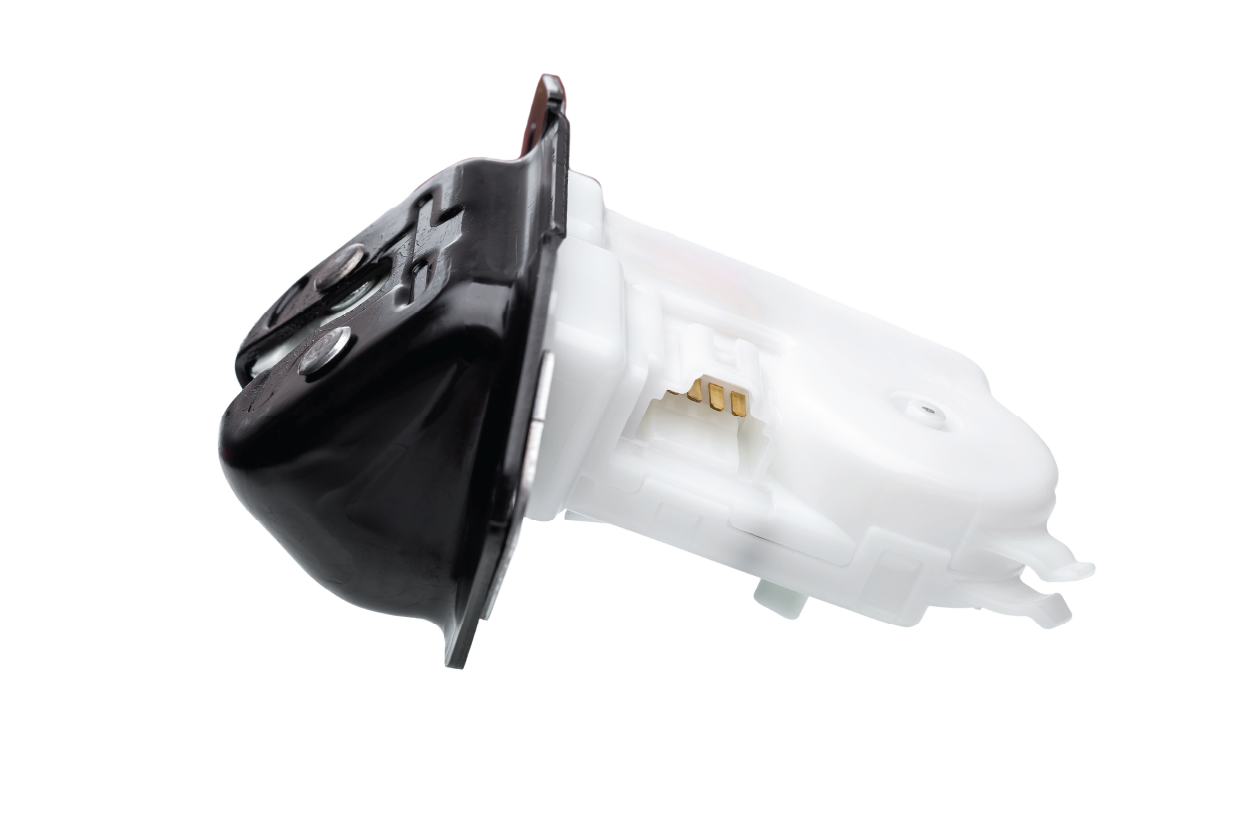
New vs. Old: Parts and Technologies
Additive manufacturing, or 3D printing, significantly enhances the production of replacement parts. This technology improves performance, cost-effectiveness, and lead times.
It enables the creation of complex geometries that traditional manufacturing cannot achieve, resulting in optimized parts that are more durable and efficient. On-demand production reduces inventory costs and lead times associated with conventional methods.
Additionally, additive manufacturing allows for advanced features like embedded sensors and customized textures, enhancing functionality and lifespan, especially for specialized parts.
It reduces overall expenses by eliminating tooling, minimizing material waste, streamlining production, and making replacement parts more accessible and affordable.
FAQs
Reverse engineering old parts can be efficient with the use of 3D scanning. This technology captures precise digital models that can be turned into CAD files.
Replacement parts are essential for maintaining the functionality and longevity of your equipment. They ensure seamless operations and minimize downtime.
Cast urethane offers superior durability, dimensional stability, and customizability to meet your specific needs if you need more than a few parts.