
Materials

Not Every Flexible Part Needs a Mold
When a part needs to flex, bend, cushion, seal, or absorb impact, it is easy to jump straight to molding. But the manufacturing decision gets more interesting when the quantity is modest, the design is still evolving, or tooling cost and lead time start to compete with the needs of...
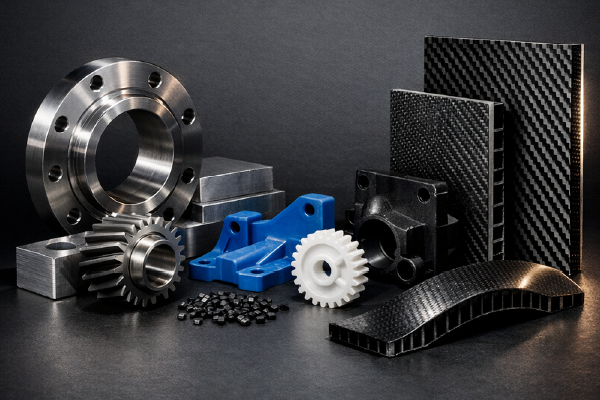
Material Selection Is About More Than Performance
Material selection should consider performance, manufacturability, availability, cost stability, and sourcing risk to help reduce delays and control total project cost.
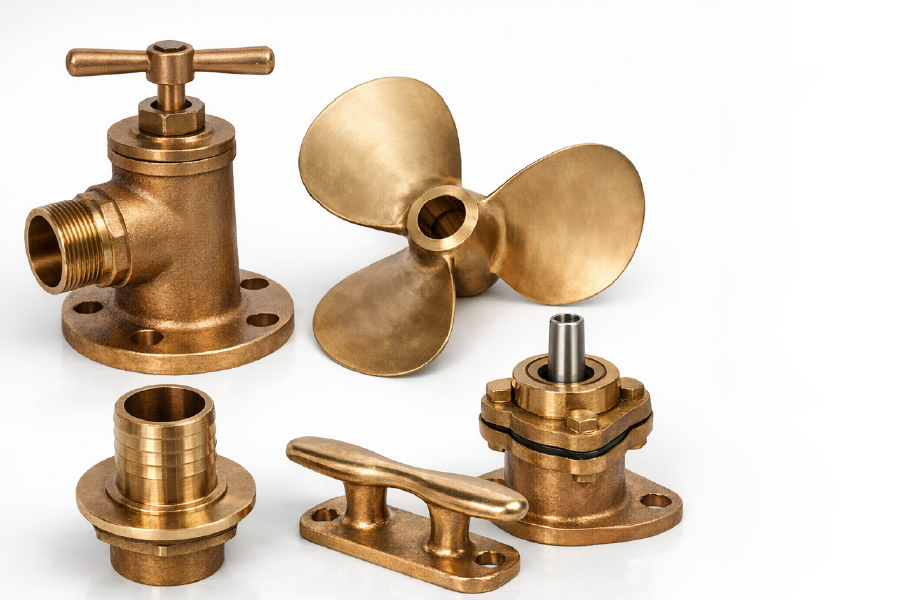
What is bronze, and why is it important?
Bronze is a specialized copper-based alloy. Strength, corrosion resistance, and versatility are a few of its favorable properties. Throughout history, beginning with the Bronze Age, it has been a fine choice for applications that need to withstand high-stress environments.
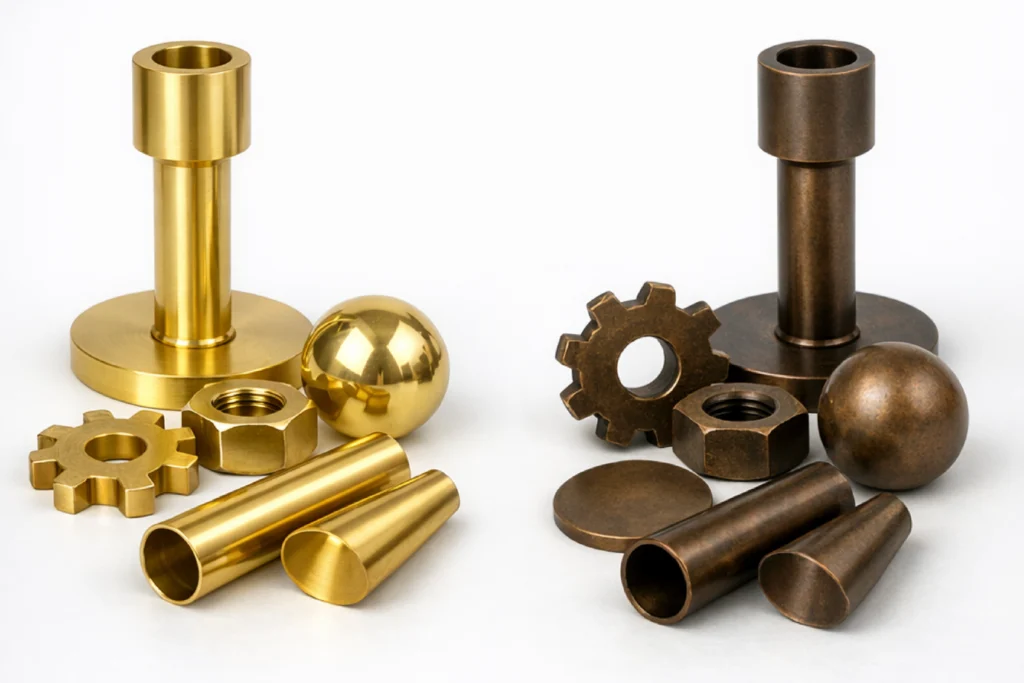
Manufacturing Materials: Brass vs Bronze
The choice between bronze and brass for your project can come down to cost, performance, durability, and sustainability. Like many material choices, both of these materials have pros and cons depending on the application. In this blog post, we will present a data-driven comparison to help you decide which alloy...
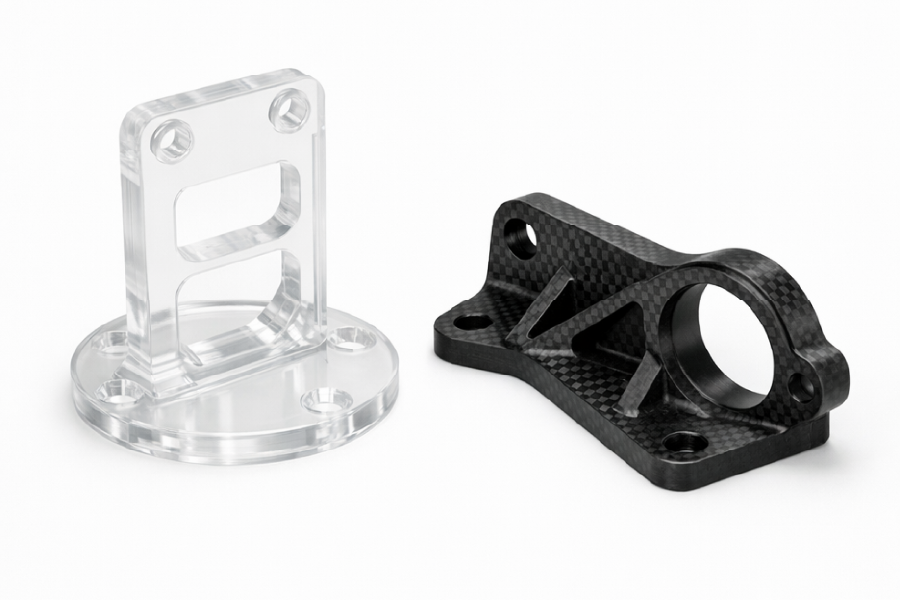
Manufacturing: Composites vs Traditional Plastic Materials
Composites are fiber-reinforced plastics. These materials are transforming the manufacturing industry. They offer greater strength, lightweight properties, and design flexibility. Composites are ideal for high-performance applications. In contrast, traditional plastics remain a dependable choice for high-volume, cost-sensitive applications. Choosing between composites and traditional plastics depends on factors such as performance,...

Comparison Guide: Polycarbonate vs Polypropylene
Polycarbonate and Polypropylene are two of the most common everyday plastics. When deciding which choice is best for your project, focus on performance requirements. Polycarbonate offers superior strength, clarity, and heat resistance. Polypropylene, on the other hand, is a standout for chemical resistance, low cost, and ease of processing.
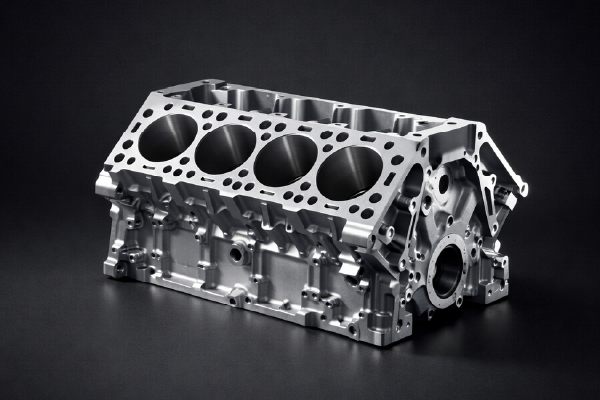
What is aluminum, and why is it so ubiquitous?
Aluminum is a remarkable metal that plays a crucial role in our daily lives, from the lightweight frames of airplanes to the sleek bodies of smartphones. As the most abundant metal in Earth's crust, it has unique properties—such as exceptional strength, corrosion resistance, and excellent conductivity—that make it a favorite...

Aerospace Materials: Aluminum vs Titanium vs Inconel
Aluminum, titanium, and Inconel all play an essential role in aerospace engineering. Aluminum is used in the framework for its lightness and cost. While titanium excels in high-stress and high-temperature environments. Lastly, Inconel is important in extreme situations such as jet engines and rocket components. Material selection for various components...

Thermoplastic vs. Thermoset Plastics
Thermoplastics and thermosets are the two main classes of plastics. Each of these has unique molecular structures, properties, manufacturing methods, and applications. Understanding the differences makes a huge difference in selecting the correct material for any engineering, manufacturing, or design project.

What is the thermoplastic acrylic (PMMA)?
From its remarkable optical clarity to its lightweight and shatter-resistant properties, acrylic (PMMA) offers a perfect blend of aesthetics and functionality. We delve into the history, manufacturing processes, and diverse uses of this extraordinary thermoplastic, and learn why it remains a top choice for designers and engineers alike.
A Guide to Soft Polymers in Product Design
Soft polymers—such as thermoplastic elastomers, silicones, polyurethanes, and natural rubber—are revolutionizing product design by offering a unique blend of flexibility, durability, and processability. Understanding their comparative properties and real-world applications empowers designers to make informed material choices for innovative, user-centric products.

What is copper and why is it a key material?
Copper is more than just a shiny reddish-orange metal; it is a cornerstone of human innovation and progress. From ancient tools to modern electronics, copper's remarkable properties make it indispensable across various industries. Discover why copper remains a key material in our ever-evolving world!

What is Low-Density Polyethylene (LDPE)?
Low-density polyethylene (LDPE), a widely used plastic known for its softness, flexibility, and chemical resistance, it is essential in industries from packaging to healthcare. LDPE's unique properties and innovative applications make it a staple in everyday products. This blog post offers insights into its history and impact on modern manufacturing.

What is silicone, and why is it important?
From medical devices to kitchenware, silicone's unique properties—such as heat resistance, flexibility, and durability—make it essential in modern manufacturing. Join us as we explore the history, production methods, and applications of silicone. Learn how this innovative material enhances performance across sectors.
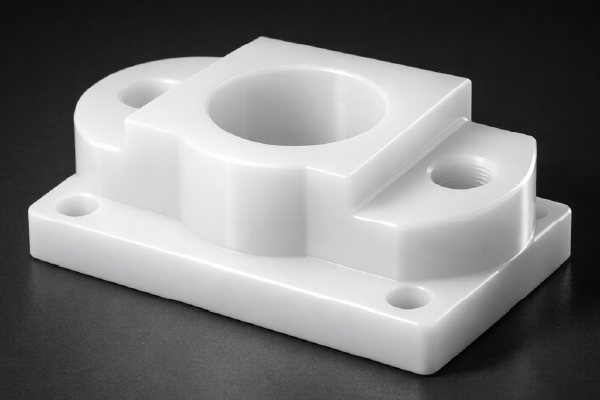
What is high-density polyethylene(HDPE)?
From its unique properties like chemical resistance and low water absorption to its wide-ranging applications in industries such as agriculture, construction, and healthcare, HDPE is a material that combines strength and sustainability. Learn about its fascinating history, the innovative processes behind its production, and why it’s a top choice for...

What is austenitic stainless steel?
Renowned for its exceptional corrosion resistance, high strength, and versatility, austenitic stainless steel is essential across numerous industries, including aerospace and food processing. With unique properties such as excellent weldability and hygienic qualities, austenitic stainless steel is the go-to choice for applications that demand durability and safety.

A Guide to Stainless Steel in Manufacturing
Stainless steel is a remarkable material that combines strength, durability, and aesthetic appeal. With exceptional resistance to corrosion, temperature, and chemicals, it finds applications across diverse industries—from food processing and healthcare to automotive and construction. Discover stainless steel, its unique families, and the intricate manufacturing processes that bring this versatile...

The 12 Most Common Non-Ferrous Metals
Our exploration of the 12 most common non-ferrous metals will provide valuable insights into how these materials shape our everyday lives. Dive in to uncover the secrets behind their remarkable capabilities and contributions to a sustainable future!

Garolite: Benefits, Challenges, and Applications
Discover the remarkable world of Garolite, a versatile composite material renowned for its strength, chemical resistance, and electrical insulation properties. Often referred to as G-10, this fiberglass laminate is a game-changer across industries like aerospace, automotive, and electronics.

What is Inconel? Why is it Important?
Inconel is a nickel-chromium superalloy that performs well in extreme environments, making it ideal for advanced engineering applications. Known for its corrosion and oxidation resistance, as well as strength at high temperatures, Inconel is vital in industries like aerospace and oil and gas. Learn about its production, unique properties, and...

How to Identify and Use Non-Ferrous Metals?
From lightweight aluminum in aircraft to rust-resistant copper in plumbing, these non-ferrous metals are key in many uses. Unlike ferrous metals, non-ferrous metals have special qualities like high electrical conductivity and recyclability. Learn how they impact technology? Join us as we look at the definitions, features, and applications of non-ferrous...

Polypropylene: Benefits, Challenges, and Applications.
Discover polypropylene (PP), one of the most common plastics in the world! Lightweight and strong, PP is changing industries like automotive and healthcare. This versatile material is affordable but also has its challenges. Learn about manufacturing methods like 3D printing and injection molding, and see how PP stacks up against...

Polycarbonate: Benefits, Challenges, and Applications
Explore polycarbonate, a versatile thermoplastic known for its strength, impact resistance, and optical clarity. From eyewear lenses to automotive parts, it is revolutionizing various industries. Discover how polycarbonate can enhance your projects and boost efficiency. Don't miss out on this essential material!

Ultem®: Benefits, Challenges, and Applications
Discover Ultem® (Polyetherimide), a strong and heat-resistant thermoplastic. It is durable against chemicals and is transforming industries such as aerospace and medicine. You can find it in lightweight parts and biocompatible surgical instruments. While Ultem® has many benefits, it also presents some challenges. Discover our guide to learn more about...

ABS: Benefits, Challenges, and Applicable Manufacturing Services
Discover the advantages of Acrylonitrile Butadiene Styrene (ABS), a versatile and strong plastic used in various industries, including automotive and consumer goods. With its excellent impact resistance, chemical durability, and ease of manufacturing, ABS is ideal for innovative designs and long-lasting products. It's suitable for both 3D printing prototypes and...
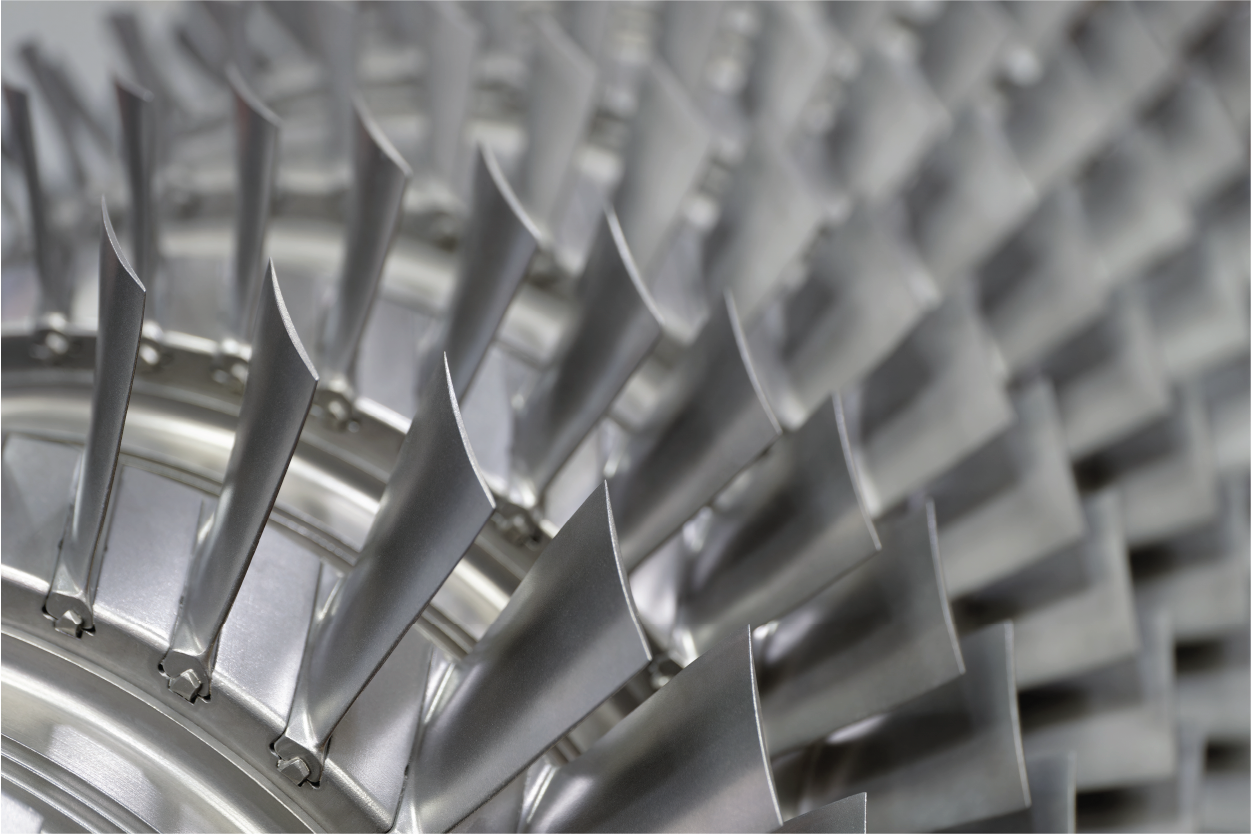
What Are the Different Grades of Titanium for Machining?
Titanium is a strong and lightweight metal that resists corrosion. It is essential in fields like aerospace and medicine. Titanium comes in different grades, each with specific properties that affect how easy it is to work with and what tasks it is best for. This blog covers these titanium grades,...
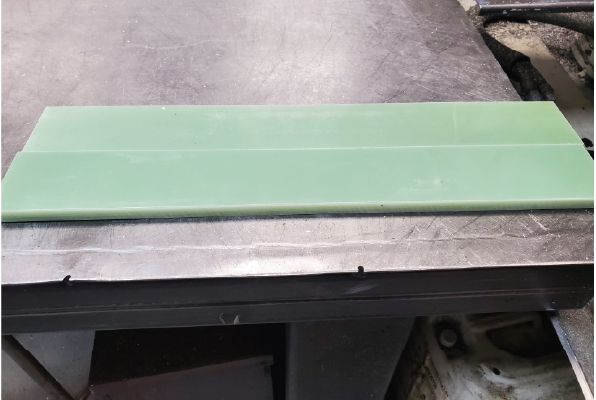
What Is Garolite and Why Is It Important?
Garolite is a versatile composite material that has transformed the aerospace and electronics industries with its exceptional strength, lightweight nature, and resistance to heat and chemicals. Understanding its unique properties can significantly enhance your projects, whether you're designing circuit boards or creating durable tools.

What Is Kovar and Why Is It Important?
Kovar is a significant nickel-iron alloy widely used in electronics, aerospace, and medical devices. Developed in the 1920s, Kovar possesses unique properties, such as expanding similarly to glass and resisting corrosion. These characteristics are crucial for creating strong seals in complex systems. By understanding Kovar, you can enhance your projects...
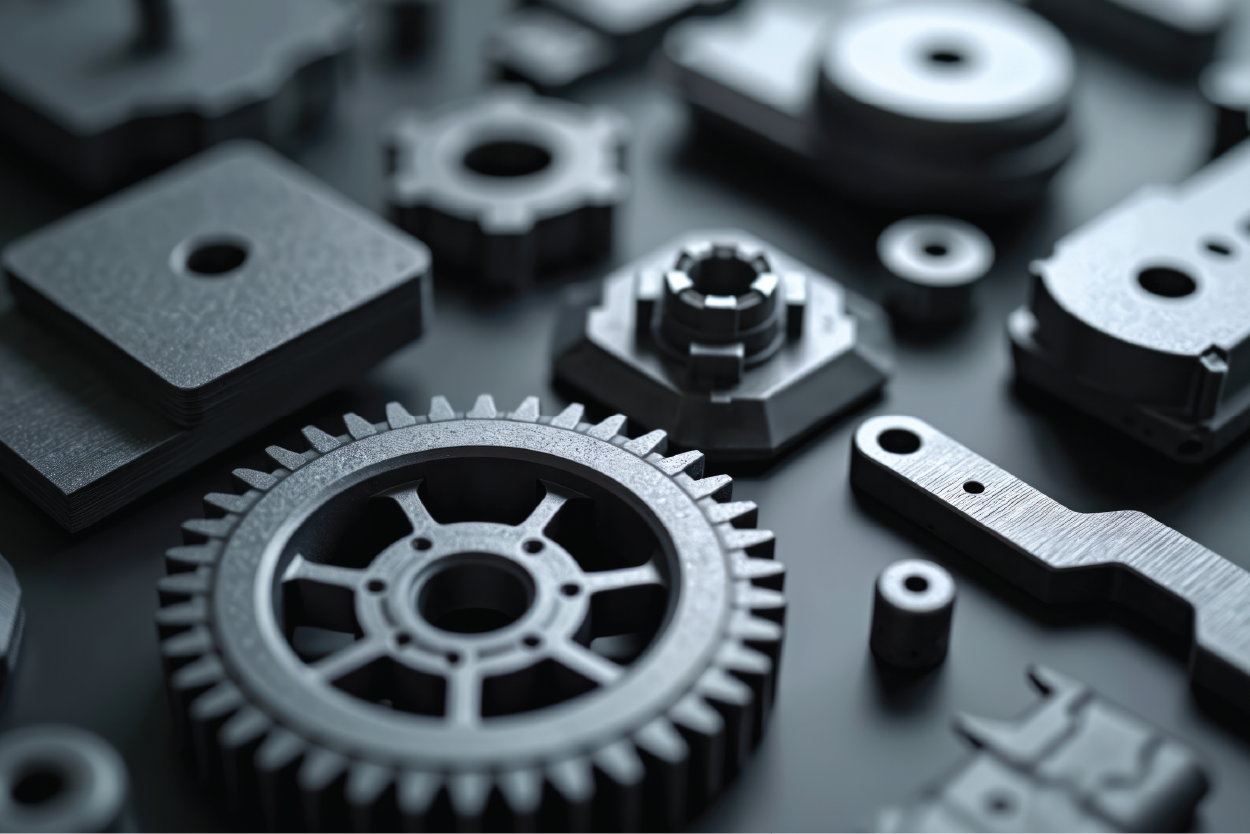
Composite Materials: Innovations Shaping the Future
Composite materials are transforming industries with strength, lightweight nature, and design flexibility, particularly in aerospace and renewable energy. Advancements like nanocomposites and 3D printing enhance performance and create new opportunities. With a history of thousands of years, composites continue to evolve, offering sustainable solutions for modern needs.
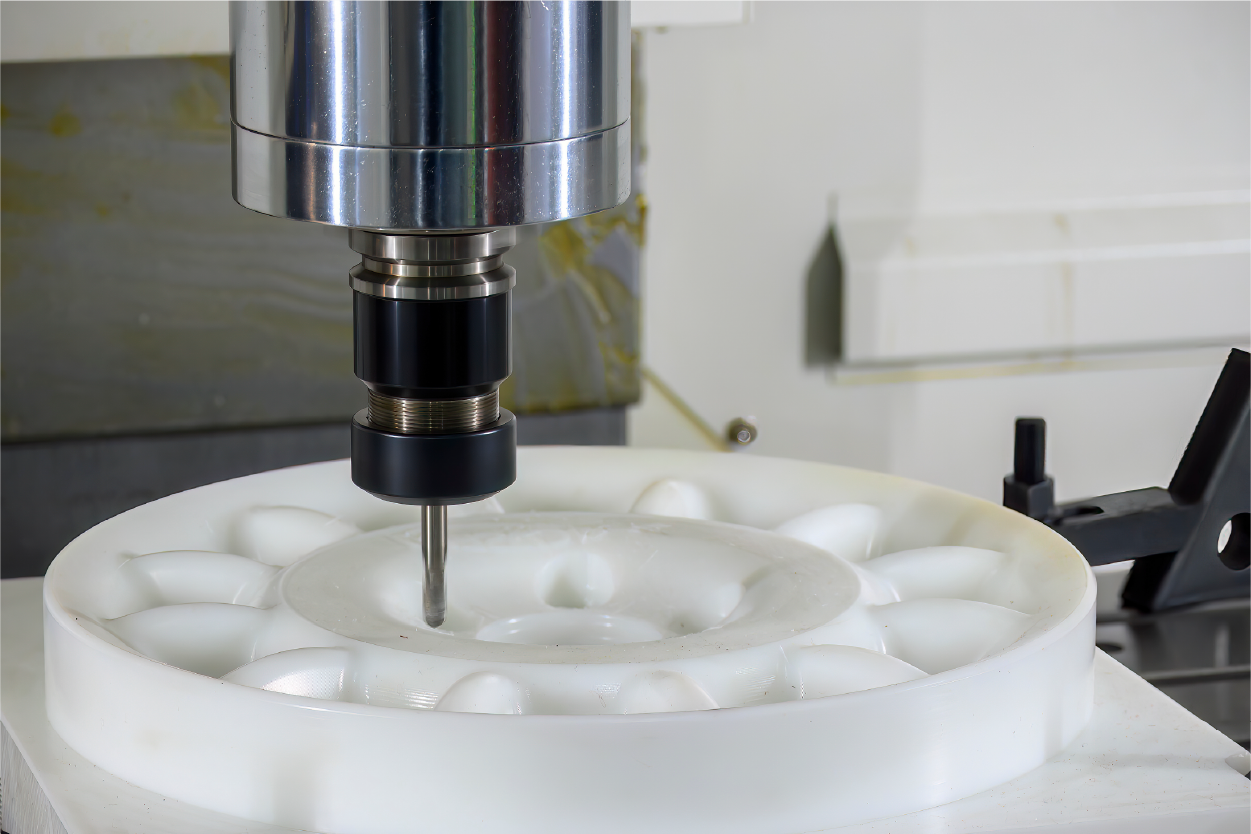
Heat-Resistant Plastics: 5 Reliable Materials
From aerospace to medical devices, these specialized materials can withstand extreme temperatures while maintaining their strength and integrity. We delve into five reliable heat-resistant plastics, including Polyetherimide (PEI) and Polytetrafluoroethylene (PTFE), exploring their unique properties and applications.
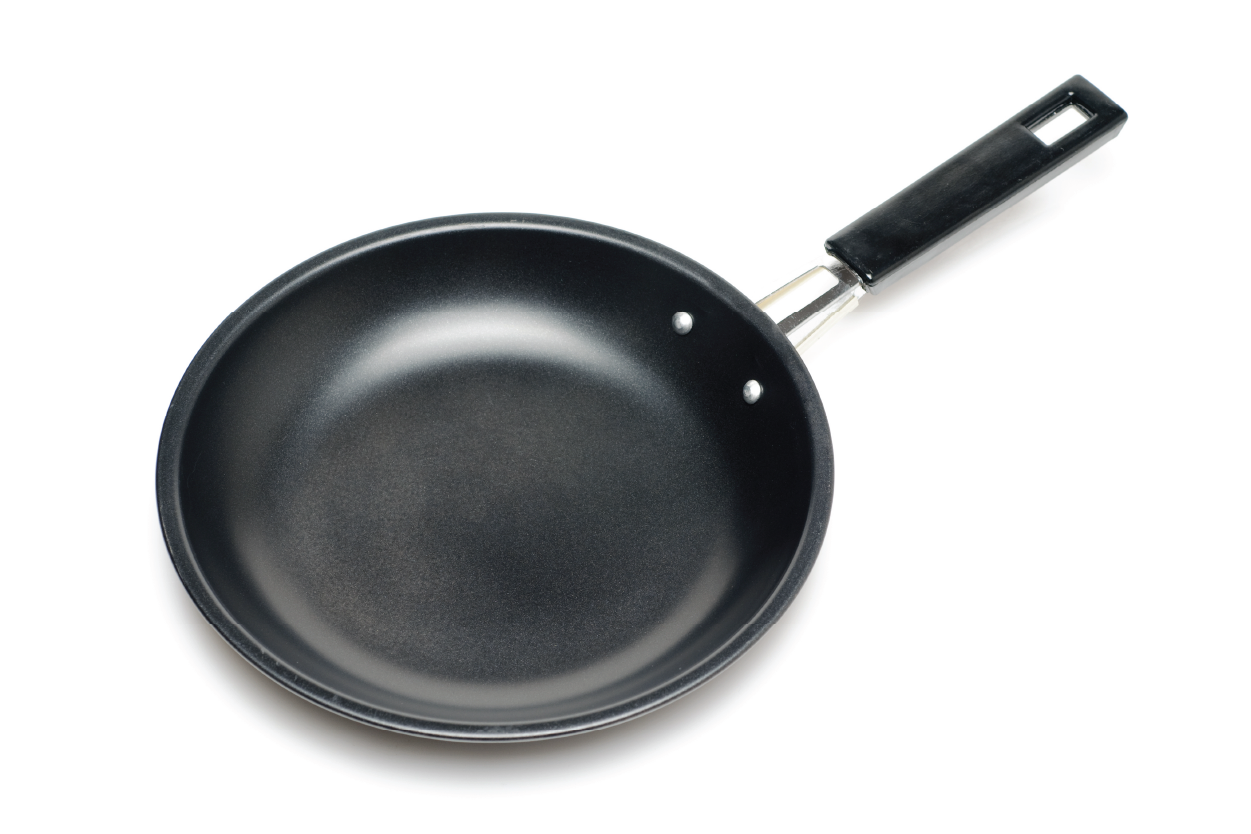
What is Teflon, and how is it made?
Teflon is a revolutionary synthetic material that has profoundly transformed various industries and our daily lives since its accidental discovery. From its remarkable nonstick properties that enhance the performance of cookware to its critical applications in the aerospace and automotive sectors, Teflon's versatility is truly unmatched.

What is acrylonitrile butadiene styrene (ABS)?
Acrylonitrile Butadiene Styrene (ABS) is a versatile thermoplastic that has transformed manufacturing and product design since its inception in the 1930s. ABS is a strong and durable material. This material is well-known for its ability to resist impacts, making it a reliable choice for these applications.

What is PEEK and how is it used?
PEEK, or Polyether Ether Ketone, is a high-performance thermoplastic polymer that is revolutionizing industries from aerospace to medical. With its exceptional mechanical and thermal properties, PEEK is the go-to material for demanding applications, offering unparalleled strength, wear resistance, and dimensional stability.
What is Polypropylene, and why is it important?
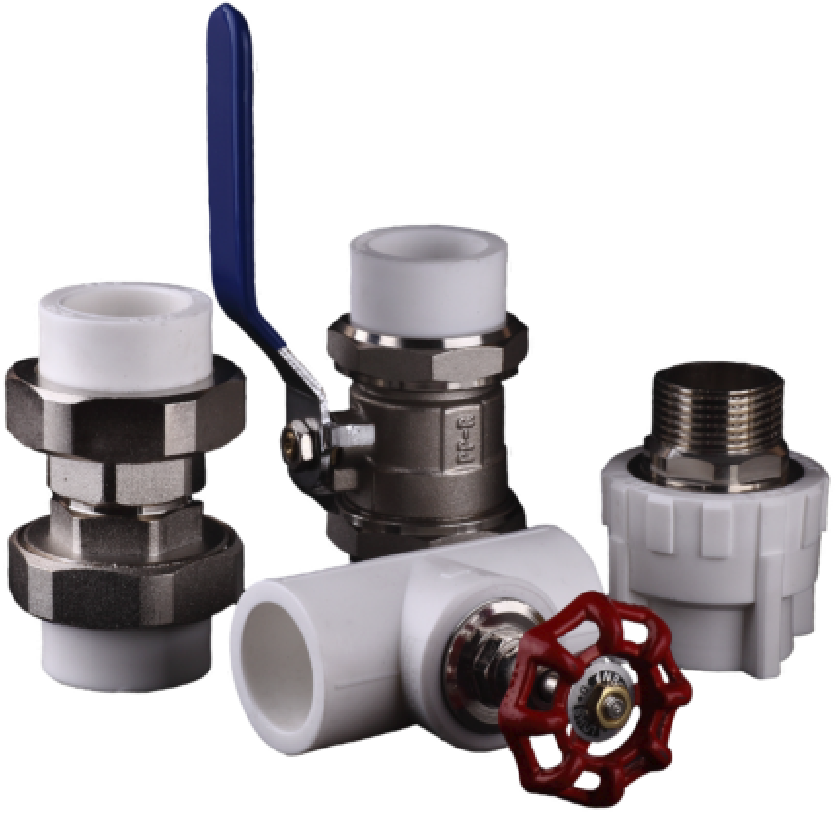
From its origins in 1954 to its diverse applications today, polypropylene stands out for its exceptional mechanical properties, including high tensile strength, impact resistance, and low density. Whether in automotive components, packaging solutions, or household items, this versatile material is indispensable in our modern lives.
What is polycarbonate and why is it useful?
Polycarbonate is a versatile thermoplastic that has transformed industries like automotive and healthcare. Known for its impact resistance, optical clarity, and thermal stability, it is ideal for innovative designs and durable applications. Whether enhancing vehicle safety, protecting electronics, or creating architectural features, polycarbonate offers endless possibilities.

What is brass, and how is it made?
Discover the timeless allure of brass, a metal alloy that has shaped civilization for centuries. From its rich history in craftsmanship to its modern uses in construction and aerospace, brass captivates with its strength, corrosion resistance, and aesthetic appeal. Learn about its mechanical properties, popular grades, and diverse applications.
What is Macor, and why is it important?
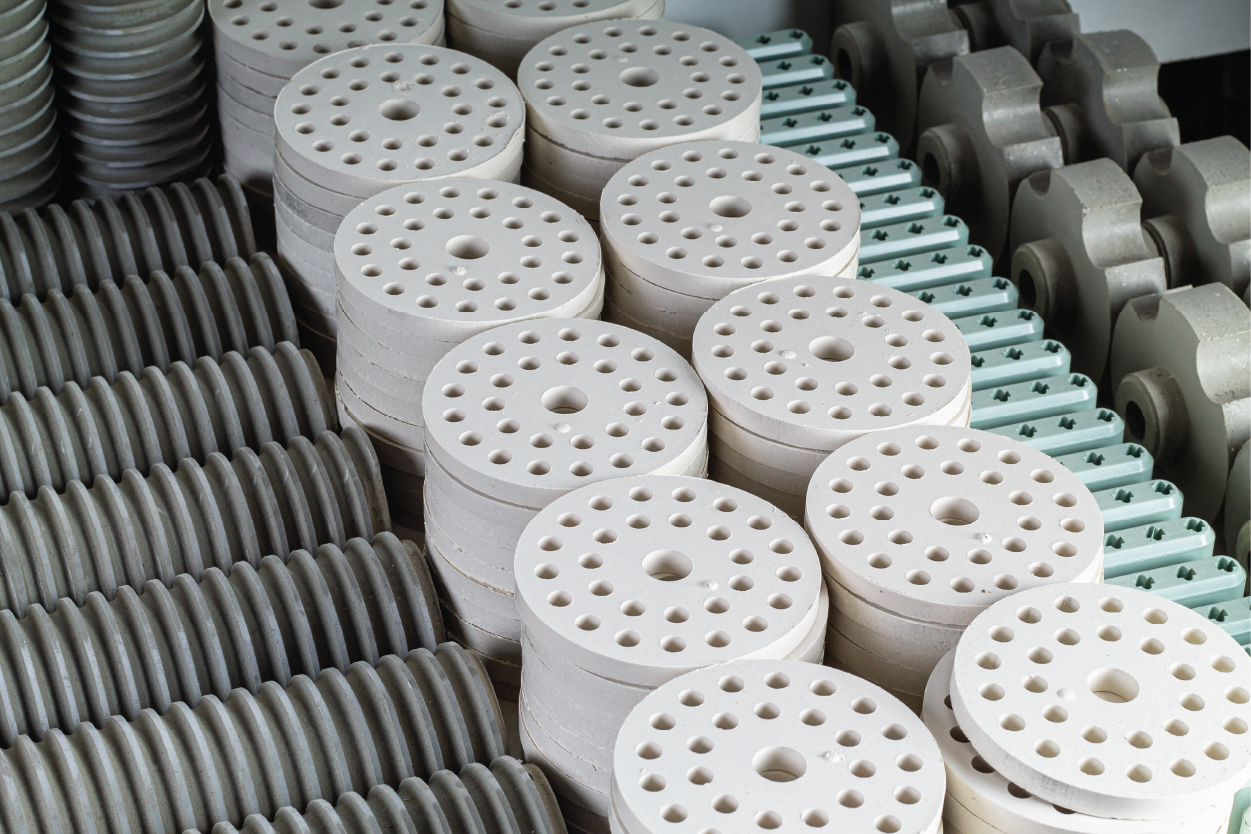
Discover the game-changing material revolutionizing modern manufacturing - Macor. With exceptional thermal, electrical, and mechanical properties, this glass-ceramic composite redefines possibilities in product design and innovation across industries. Macor's versatility and durability make it an invaluable asset for engineers and manufacturers worldwide, from aerospace to medical devices.
Types of Nylon for Manufacturing
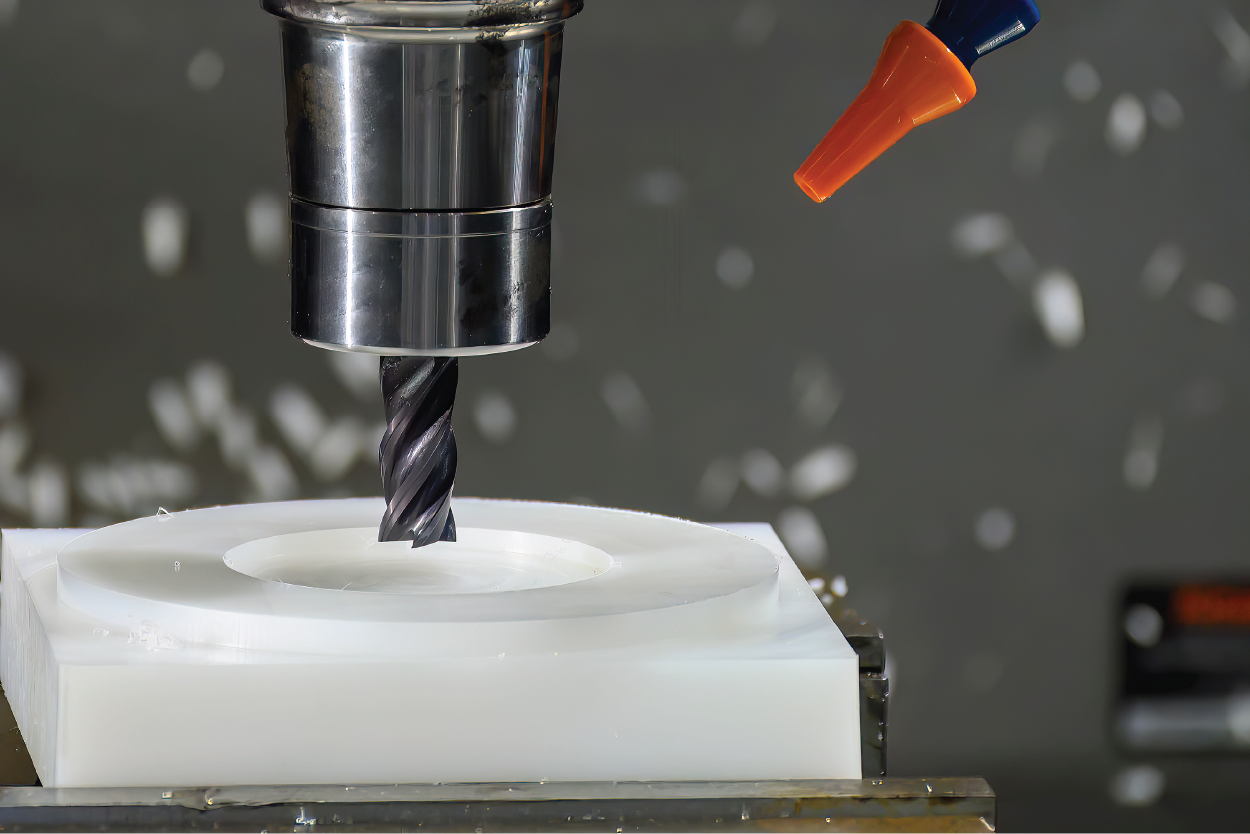
Discover the transformative power of nylon in modern manufacturing. From its wartime origins to its widespread adoption in industries like automotive, construction, and consumer goods, nylon's versatility and durability continue to drive innovation. Learn about the different types of nylon materials and their key characteristics.
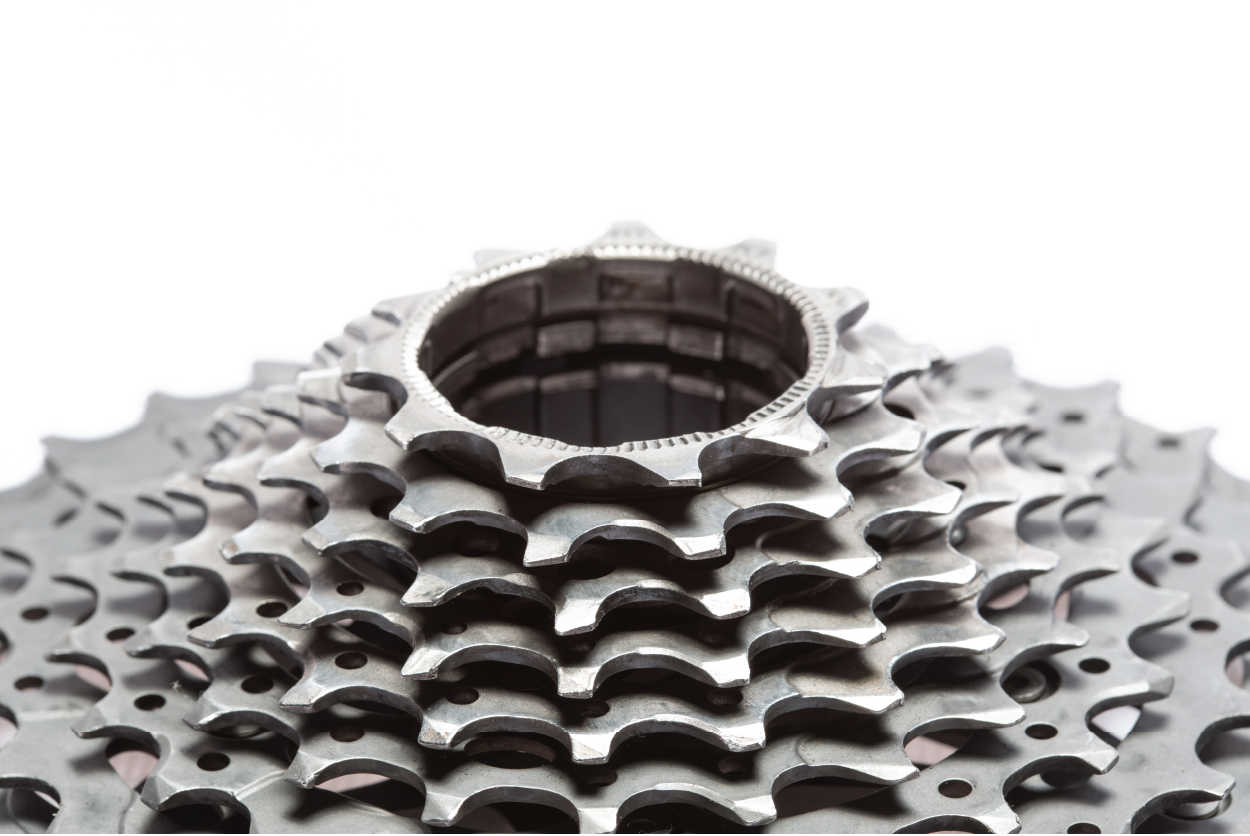
Manufacturing Materials: What is titanium?
Titanium is strong, lightweight, and corrosion-resistant, making it vital in many industries worldwide. Learn about its history, different uses, and significant impact on aerospace, medicine, consumer goods, and more.
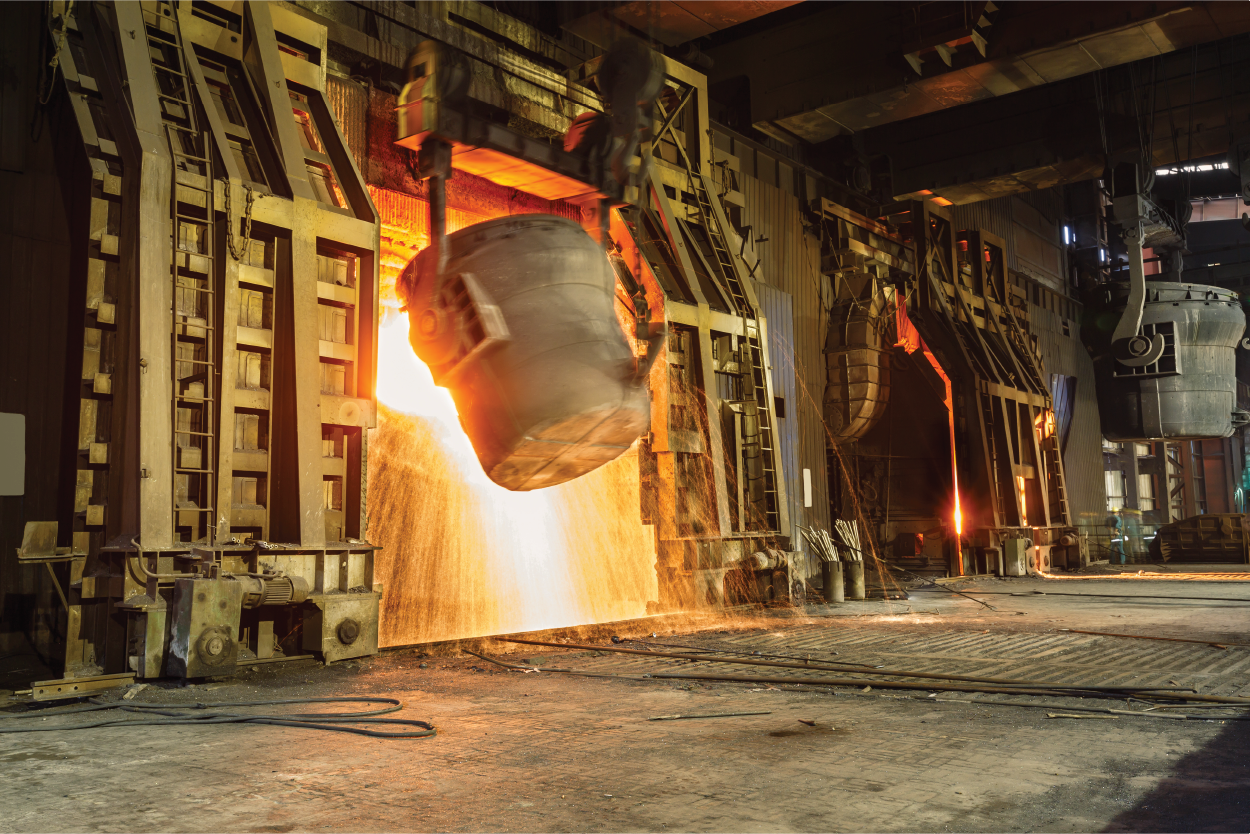
What is steel, and how is it made?
Steel is an iron-carbon alloy known for its strength, versatility, and transformative impact on several industries. Its production has evolved from ancient forges to modern, high-tech processes. Steel is a common material in Prototek's CNC machine shops and fabrication facilities.