Teflon is a unique synthetic material that has revolutionized many industries and significantly impacts our daily lives. It was first created in the 1930s by scientists at DuPont. Today, Teflon is standard in various products, including cookware, aerospace components, and medical devices.
In this blog post, we will explore the fascinating history, unique properties, and diverse applications of Teflon. It plays a key role in modern manufacturing and day-to-day life. We will also explain how Teflon’s unique properties make it a popular choice in various fields. Understanding Teflon helps us appreciate the technological advances that shape our world.
What is the history of Teflon, and how is it made?
Roy Plunkett, a chemist at DuPont, discovered Teflon in 1938 while working with refrigerant gases. This accidental finding created a slippery, waxy solid that resists heat, chemicals, and corrosion. It was a breakthrough in materials science, leading to the development of Teflon, which we use today.
DuPont patented Teflon in 1941. Initially, Teflon was standard in the aerospace and military sectors due to its unique properties. Soon, it became popular in homes as a nonstick coating for cookware.
To make Teflon, a raw material called tetrafluoroethylene (TFE) is heated and pressurized to produce Teflon resin. This resin can then be formed into sheets, rods, or used as coatings.
To make Teflon-coated cookware, manufacturers roughen the metal surface to help the coating stick better. They apply multiple layers of resin, baking each one at high temperatures to bond it to the surface. This careful method ensures the Teflon coating is strong and long-lasting, giving it the nonstick qualities we associate with Teflon.
Teflon is a standard material in various industries, including aerospace, automotive, electronics, and healthcare. Its unique characteristics, such as non-stick properties, low friction, and chemical resistance, make it essential for numerous products.
What are the mechanical properties of Teflon?
Teflon, also known as polytetrafluoroethylene, is a well-known material due to its outstanding mechanical properties. Below are some key mechanical characteristics of Teflon:
- Low friction coefficient: Teflon has one of the lowest coefficients of friction among solid materials, making it ideal for applications that require smooth sliding surfaces.
- Mechanical strength: PTFE generally has lower mechanical strength than many engineering plastics at room temperature. It is relatively soft and can deform more easily under load than more rigid plastics or metals.
- Flexibility and toughness: It demonstrates good flexibility and toughness, but it lacks rigidity.
- Temperature resistance: It retains mechanical integrity across a broad temperature range, typically from about -200°C to +260°C, which exceeds that of many other plastics.
- Wear resistance: While it has low friction, its wear resistance is moderate; it can wear down under abrasive conditions.
- Chemical resistance: Mechanically, it is stable in harsh chemical environments, which complements its use in seals, gaskets, and linings.
What industries use Teflon?
Teflon is a well-known nonstick coating that is important in many industries. It possesses exceptional qualities that benefit various sectors.
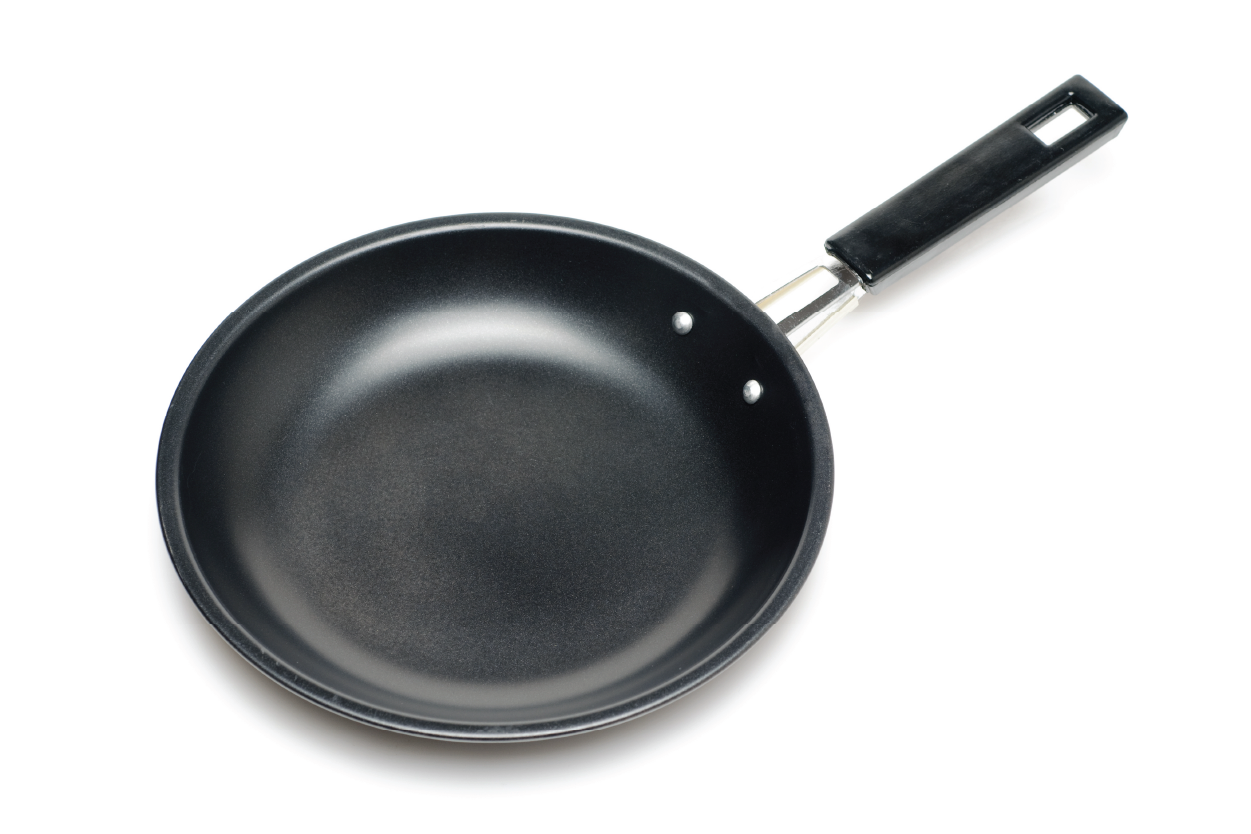
First, the cookware and bakeware market relies heavily on Teflon. Its nonstick surface makes it ideal for pots, pans, and baking sheets, allowing food to release easily and making cleaning simple, thereby improving efficiency in both home and commercial kitchens.
Teflon also plays a significant role in the automotive industry. Its low friction and heat-resistant properties make it suitable for components such as engines, brakes, and gears. Helping cars perform better and last longer.
In the aerospace industry, Teflon is a crucial material. It resists high temperatures, corrosion, and various chemicals, making it ideal for use in aircraft parts such as seals and gaskets. This versatility helps keep these systems safe and reliable.
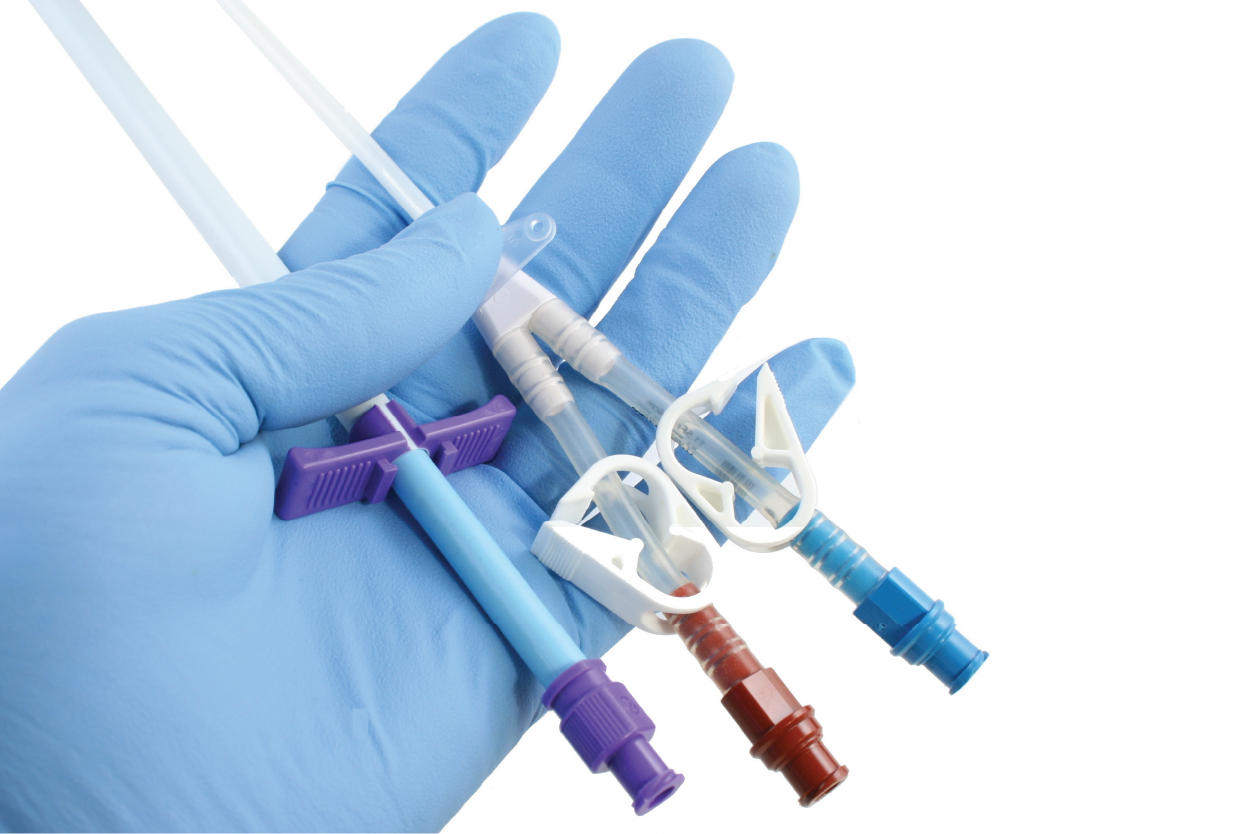
Teflon is also standard in medical devices, including implants and medical tubing. Its nonstick feature and compatibility with the body make it suitable for devices that come into contact with sensitive tissues or fluids, thereby reducing complications and improving patient care.
Teflon is useful in construction for waterproofing and in textiles for stain-resistant and water-repellent fabrics.
In summary, Teflon is a reliable and versatile material. Its unique properties make it essential in various sectors, helping improve the quality and performance of many products and services we use.
- Are you ready to make your manufacturing project a reality, or do you have questions?
Is Teflon Harmful?
When used correctly, modern Teflon cookware is safe to use. The PTFE coating works well at cooking temperatures below 500°F (260°C). In the past, people have worried about perfluorooctanoic acid (PFOA), a chemical used in the production of Teflon. PFOA has been associated with health risks, including cancer. However, manufacturers have mostly stopped using PFOA and replaced it with safer chemicals.
If you heat Teflon cookware above 500°F, the PTFE can break down and release fumes. These fumes may cause flu-like symptoms in people and can be harmful to birds.
Health Concerns
The body does not absorb Teflon itself if you eat small flakes. Still, you should avoid eating flakes from scratched or damaged pans. Teflon is part of a group of chemicals called perfluoroalkyl and polyfluoroalkyl substances (PFAS). Some studies link these chemicals to health problems, including certain cancers and high cholesterol. The primary concerns with PFAS pertain to long-term exposure, rather than typical use of Teflon cookware.
Key Takeaways
- Using Teflon cookware at normal cooking temperatures is safe.
- Do not heat pans above 500°F to keep the coating from breaking down.
- Stop using scratched or damaged nonstick pans to avoid eating flakes.
- Be aware that related chemicals (PFAS) can raise health concerns, but these issues are primarily associated with industrial exposure, rather than everyday cooking.
- If you want to be extra cautious, consider using ceramic or cast-iron cookware, which do not contain PTFE or PFAS.
What are the benefits of using this material for your project?
Teflon is a versatile material that offers numerous benefits for your manufacturing projects. Its exceptional nonstick properties make it ideal for applications where easy release and minimal surface adhesion are crucial. This material’s chemical inertness and corrosion resistance ensure long-lasting performance, even in harsh environments. Additionally, this material’s low coefficient of friction can enhance the efficiency and smoothness of your components. Whether you’re working on additive manufacturing, CNC machining, or sheet metal fabrication, Teflon can be a valuable asset to your project.
FAQs
It is a durable, non-stick coating used in various products.
It is widely used in industries such as aerospace, automotive, chemical processing, and food processing due to its exceptional non-stick and heat-resistant properties.
Exceptional durability, non-stick properties, and chemical resistance.
Doesn’t easily stick to substrate and poor radiation resistance.