Acrylonitrile Butadiene Styrene (ABS) is not only a strong and flexible plastic that can withstand impacts, but also a versatile material suitable for a wide range of applications. It is a versatile material that sparks creativity, used in a myriad of industries, including automotive parts, consumer goods, electronic cases, and children’s toys.
Our company specializes in providing high-quality ABS plastic and similar materials for various projects. We provide services to ensure our materials meet and exceed industry standards. We create custom solutions for manufacturers and designers who want to incorporate ABS into their products, instilling them with the confidence that their ideas will be brought to life using the highest quality materials.
Prototek's ABS Manufacturing Services
Manufacturing ABS plastic components can use various methods, each suited to specific production requirements. The choice of method depends on factors such as the number of parts, their complexity, and the level of precision required. Here’s a brief overview of the main ways to create ABS parts:
3D Printing
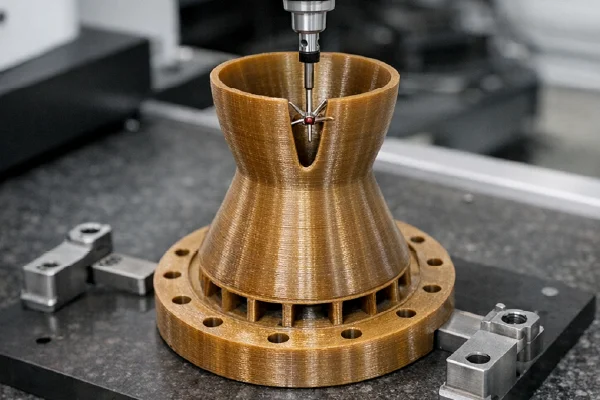
ABS is a popular material used in 3D Printing, especially with FFF (Fused Filament Fabrication) technology. In this process, layers of ABS filament are used to build the final product. 3D Printing is a versatile technology that is well-suited for creating complex shapes, prototypes, and unique designs. It often costs less to set up than traditional methods. There are also other materials similar to ABS that are common in SLA (Stereolithography) 3D Printing, which can enhance the surface finish and detail of the printed items.
CNC Machining
CNC machining is a helpful way to create ABS parts, especially when you need only a small number of custom pieces. This process uses computer-controlled tools to cut ABS into specific shapes. CNC machining can achieve accurate measurements and handle complex designs. It is also effective for rapid prototyping, allowing designers to quickly test and adjust their designs without needing to produce large quantities.
Injection Molding
The most common method for producing ABS plastic parts is through the process of injection molding. In this process, hot, melted ABS is injected into a mold to create detailed shapes. This method is best suited for producing large quantities of parts that require uniform size and shape. It also reduces waste and can make features like undercuts and threads, which are more challenging to produce using other methods.
Every manufacturing process has its benefits. Understanding these benefits can help manufacturers make informed choices that align with their project needs, manage costs effectively, and enhance product quality. By understanding the strengths of each method, manufacturers can make informed production decisions with confidence.
Benefits of ABS Plastic
Attractive Surface Finish
ABS plastic is easy to polish, resulting in a smooth and shiny surface, making it ideal for consumer products where a nice appearance can boost sales. Techniques such as sanding and painting can further enhance its appearance.
Chemical Resistance
ABS can resist various chemicals, such as acids and solvents. Making it suitable for use in labs, cars, and household products that may come into contact with harmful substances.
Easy to Manufacture
ABS is simple to work with. Manufacturers can mold or shape it using different methods, including injection molding and 3D Printing. This flexibility allows them to create detailed designs quickly.
Electrical Insulation
ABS acts as a good insulator, preventing electricity from passing through. This quality makes it a safe choice for electrical components, such as circuit boards and connectors.
Impact Resistance
ABS plastic is strong and durable, able to withstand sudden impacts and shocks effectively. It is ideal for long-lasting products, such as car parts, safety gear, and electronic devices, that require protection from damage.
Strength and Stiffness
ABS is both strong and stiff. It can support heavy loads without bending or breaking, making it a reliable choice for structural applications like supports and enclosures.
Challenges of ABS Plastic
Dimensional Instability
ABS expands more than other plastics when temperatures change, which means that even small temperature changes can significantly affect its size and shape. Because of this, it is hard to keep accurate measurements. It can lead to warping or misalignment of parts in environments with temperature changes.
Flammability
ABS can easily catch fire and burn. When it heats up, it can melt and ignite, releasing harmful fumes like styrene. Manufacturers can enhance fire resistance by incorporating flame-retardant materials during the production process. Helping lower the risk of fire spreading and reducing toxic smoke.
Heat Resistance
ABS melts at temperatures between 200°C and 240°C (392°F to 464°F). Because of this, it is not suitable for high-heat environments. If the temperature goes above this range, ABS can lose its shape and strength. Limiting its use in industries such as automotive and electronics, where materials need to withstand high heat.
Applications of ABS
Automotive
The automotive industry is a significant user of ABS, employing it to manufacture various components. These include bumpers, dashboards, door handles, and interior trim. ABS’s strength and durability make it an ideal choice for products where both safety and appearance are essential. For instance, ABS bumpers can absorb impacts, protecting the vehicle and its occupants, while ABS dashboards and door handles provide a combination of strength and aesthetic appeal. In electronics, manufacturers often use ABS plastic to make cases for devices like computer accessories and household appliances. ABS is strong and can handle impacts, which helps protect the sensitive parts inside these devices.
Consumer Goods
ABS is commonly used to manufacture consumer goods, such as toys and kitchenware. Its versatility allows for numerous designs and applications, making it a popular choice among manufacturers.
Medical Device Industry
The medical industry utilizes ABS in products such as medical devices and equipment. It is popular because it is biocompatible and easy to sterilize, which makes it an excellent choice for this field.
Packaging
ABS is a standard material in packaging, particularly for sturdy packaging that requires protection for its contents.
Outdoor Use
ABS sheets are strong and resistant to weather damage, making them suitable for outdoor use. They are common for signs and outdoor furniture, where durability is essential.