Steel, a ubiquitous material in our lives, is found in skyscrapers that mark the skyline of most large American cities and in the vehicles we drive. But what is steel, and how is it made? In essence, steel is a strong alloy of iron and carbon, with the carbon content typically ranging from 0.2% to 2.1% by weight.
This blog post examines the science, history, and technology behind steel, exploring its composition, properties, manufacturing processes, types, and the significant impact it has had on human progress.
What is steel?
Steel is an iron and carbon alloy, generally containing between 0.04% and 2.0% of carbon by weight. Additional elements, such as manganese, which enhances strength and wear resistance, chromium, which increases corrosion resistance, nickel, which improves toughness, and vanadium, which enhances strength, often enhance specific properties of these alloys.
The Carbon Content's Effect on Steel
| Type of Steel | Carbon Content | Properties | Applications |
|---|---|---|---|
|
Low-Carbon (Mild Steel) |
<0.2% |
Ductility, malleability, and weldability. |
Structural components, pipes and pipelines, machinery components. |
|
Medium-Carbon |
0.2 – 0.6% |
Higher Strength, ductile, and responds well to heat treatment. |
Automotive parts, such as gears, axles, and crankshafts. |
|
High-Carbon |
0.6 – 1.5% |
Hardness and highest strength along with wear corrosion resistance. |
Dies, machinery components, and ball bearings. |
Increasing the amount of carbon in steel makes it harder and stronger, but it also becomes less ductile and more brittle.
What is the history of steel?
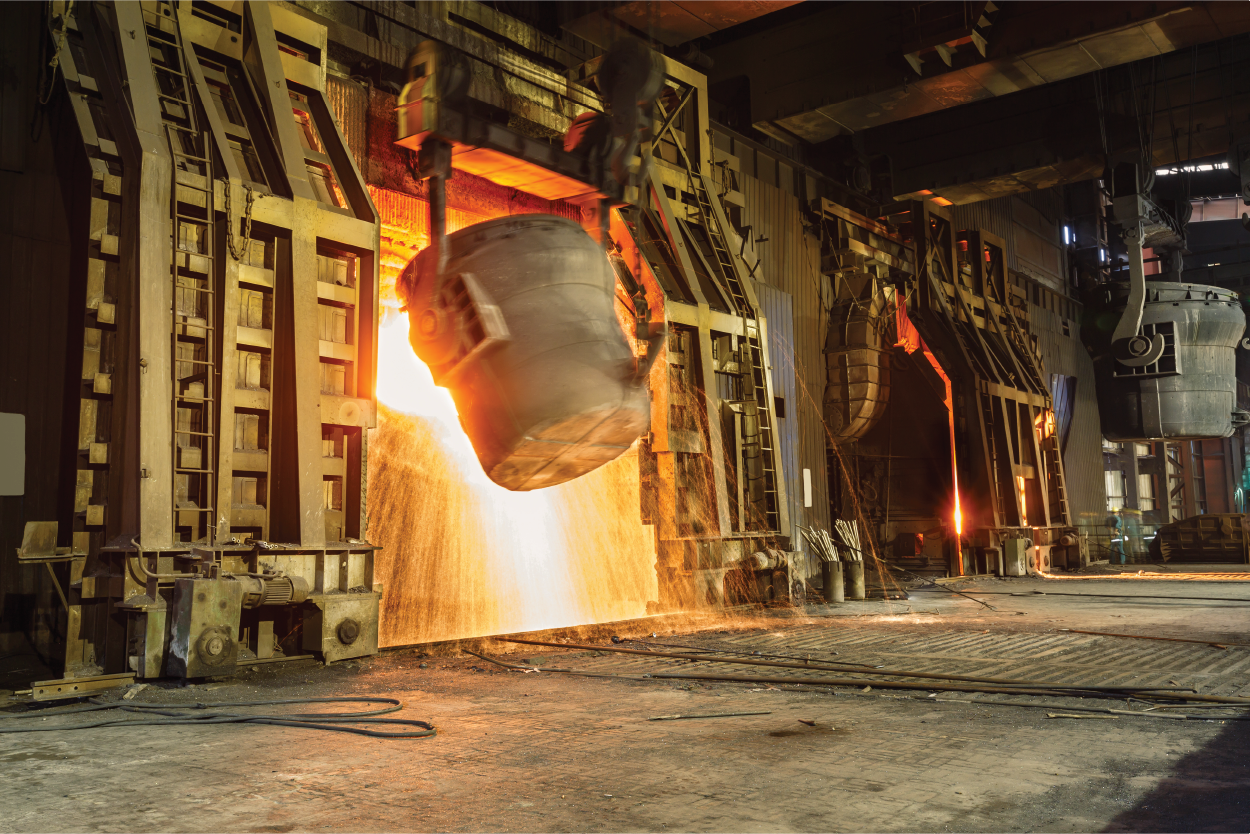
Steel’s ancient origins were accidental. Blacksmiths discovered that heating iron with high carbon content produced a stronger material. This knowledge spread by word of mouth through Turkey, Greece, and surrounding modern-day countries. Eventually, steel made its way to the Roman Empire. During the early days, it was primarily found in tools and weapons.
Before the mid-19th century, steel was expensive to produce. It wasn’t very common. In 1751, Benjamin Huntsman developed a method for crucible steel by melting blister steel, resulting in the creation of higher-quality steel.
Next came the Bessemer process in 1856. Henry Bessemer invented his process using a converter to force air through molten pig iron. This technique quickly removes impurities through oxidation. The process was the first inexpensive method of mass-producing steel. It paved the way for the widespread use of steel.
By the late 19th century, the United States had become the world’s leading steel producer, with large-scale projects such as bridges, skyscrapers, and steel-hulled ships. Progress continued into the 20th century, where the development of the electric arc furnace made the production of high-quality steel viable.
How is steel made?
Ironmaking in the Blast Furnace
- Raw Materials: Iron ore, coke – produced from coal with high carbon levels, and limestone.
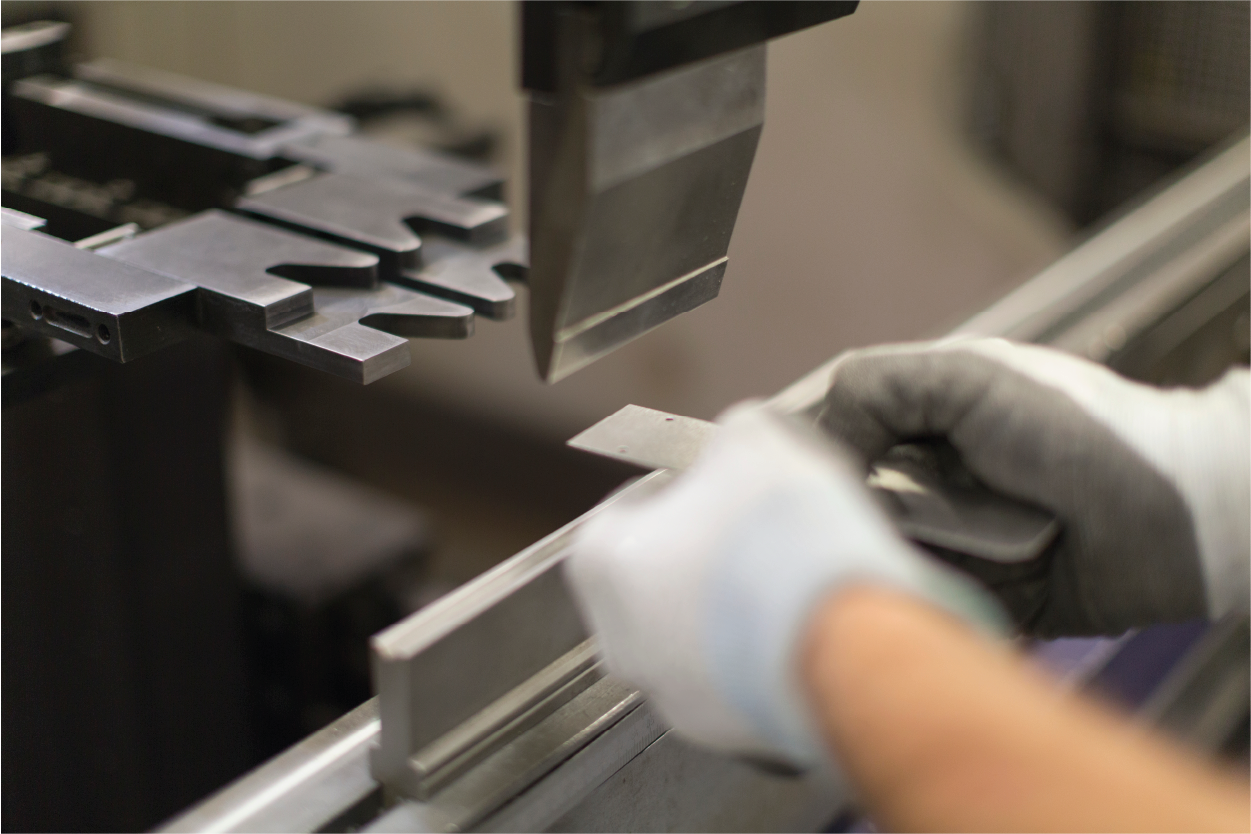
- Combustion and Reduction: After placing the raw materials in a furnace, hot air burns the coke, generating carbon monoxide and reducing iron ore to molten iron (pig iron).
- Fluxing: The limestone then binds impurities into slag, which floats on top of the molten iron, making it easier to remove.
- Tapping: At this stage, the molten iron and slag get drawn off in preparation for the steelmaking processes.
Steelmaking Process A: Basic Oxygen Furnace (BOF)
- Raw Materials: Both molten iron and scrap steel go into the BOF.
- Oxygen Blowing: Pure oxygen blows in, oxidizing impurities (carbon, silicon, phosphorus, and sulfur), which undergo removal in the form of gases or slag.
- Refining: At this step, the addition of other elements achieves the desired properties.
- Tapping: The metal casters then pour the steel into forms, which cool and shape the steel for further manufacturing processes.
Steelmaking Process B: Electric Arc Furnace (EAF)
- Raw Materials: Primarily scrap steel, which is sometimes supplemented with direct-reduced iron or pig iron, go into the furnace.
- Melting: Electric arcs between graphite electrodes rapidly melt the scrap.
- Refining: The addition of oxygen and fluxes removes impurities and adjusts the composition.
- Tapping: The metal casters pour the steel out for cooling and shaping into forms.
Comparing Steelmaking Processes: BOF and EAF
| Feature | BOF Route | EAF Route |
|---|---|---|
|
Main Raw Materials |
|
|
|
Process |
A high-velocity jet of pure oxygen is blown into the molten iron to oxidize and remove impurities like carbon. |
High-powered electric arcs melt the scrap steel. |
|
Energy Source |
Chemical Reaction |
Electricity |
|
Flexibility |
|
|
Secondary Steelmaking and Shaping
- Ladle Metallurgy: Fine-tunes temperature and composition.
- Continuous Casting: The next step is casting the molten steel into billets, blooms, and slabs for further processing and manufacturing.
- Finishing: At this stage, the steel undergoes various processes, including hot and cold rolling, coating, machining, and fabrication.
What are the mechanical properties of steel?
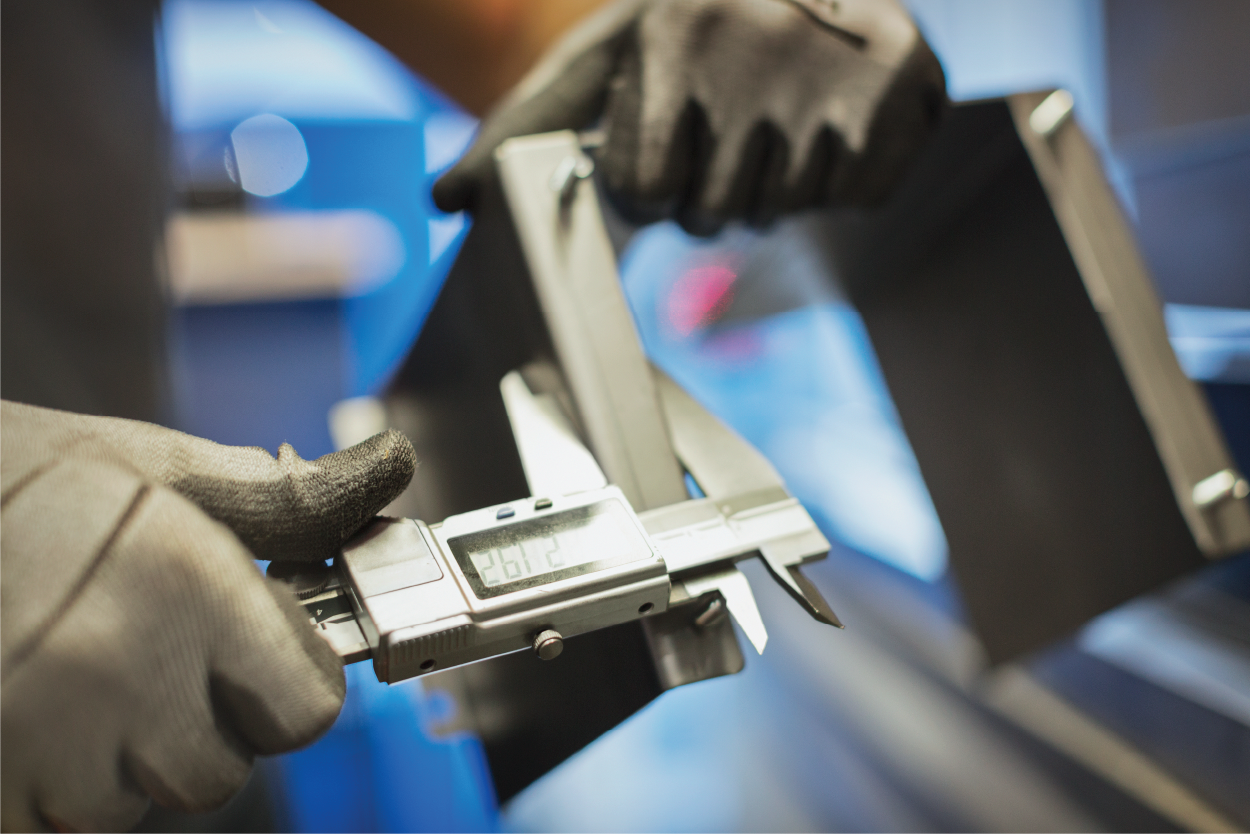
Many industries utilize steel due to its strong mechanical properties. Depending on the alloying elements, steel is known for being both strong and lightweight, yet also stiff, ductile, rigid, and easy to weld.
- Corrosion Resistant: Steel maintains its integrity even in harsh environments without rusting.
- Ductility: The material’s ability to deform under tensile stress without fracturing.
- Hardness: This property helps steel resist dents, scratches, and wear. Heat treatment can improve its hardness for specific uses.
- Strength: It has high tensile, compressive, and shear strengths, making it ideal for structures that support heavy loads, machinery, and tools.
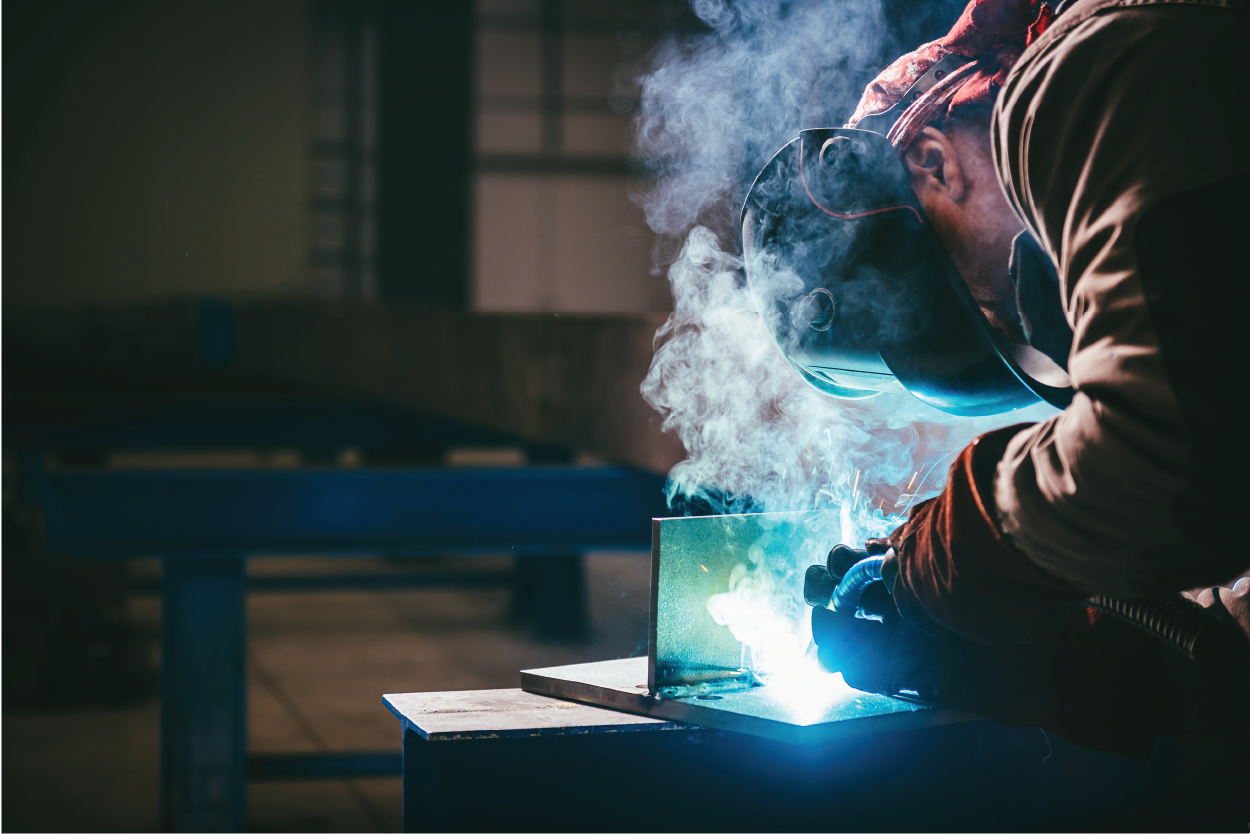
- Weldability: Joining steel components is easily achieved through welding.
What types of steel are there?
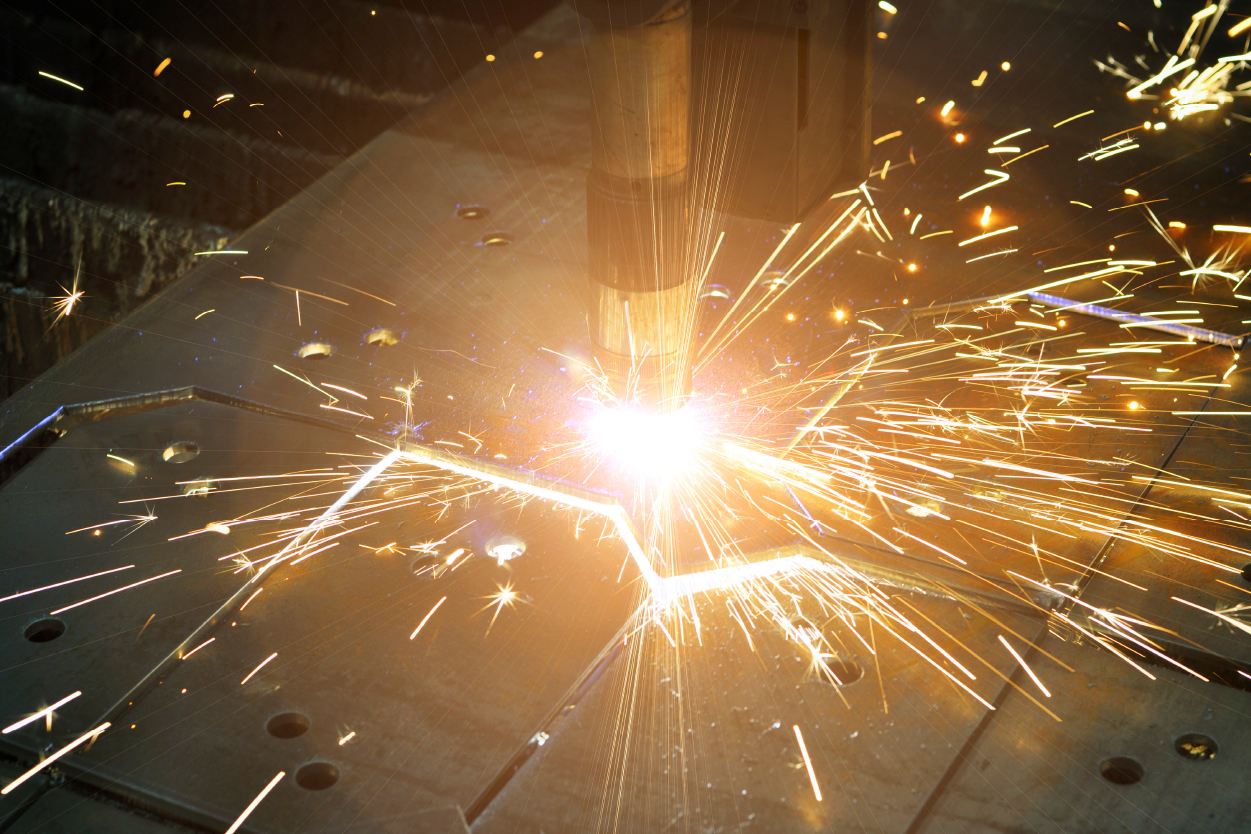
Steel is a valuable and widely used material in manufacturing and construction. Many types of steel exist, each with its own properties and uses. This section will explore these different types.
- Carbon Steel: Containing varying amounts of carbon, it is a strong and durable material that is easily produced at a low cost.
- Stainless Steel: Includes chromium, which makes it resistant to rust and corrosion.
- Steel Alloy: The makeup of steel alloys includes adding nickel, chromium, or molybdenum to create stronger steel that can resist wear and tear.
- Tool Steel: At elevated temperatures, it stays hard and strong.
- Electrical Steel: Offers enhanced efficiency and reduced energy loss in electromagnetic devices.
- High-Strength Low-Alloy (HSLA) Steel: This specialty steel presents an excellent strength-to-weight ratio, improved weldability, and enhanced corrosion resistance.
- Steel Superalloys: These alloys offer exceptional resistance to corrosion, oxidation, and fatigue. It can also withstand extreme temperatures.
FAQs
It is a strong, durable, versatile metal alloy composed primarily of iron and carbon. The construction, transportation, and various other industries use this material.
It can rust, but the degree of rusting depends on the type of steel and environmental factors. Proper maintenance and protective coatings can help prevent or minimize its corrosion.
It is a magnetic material, meaning it can be attracted to magnets. This property is due to the iron content in the material, which gives it its magnetic properties.
It is versatile in various industries, including construction, automotive, aerospace, machinery, and infrastructure development.
At Prototek, we offer precision CNC machining and sheet metal fabrication.