Ultem®, also known as Polyetherimide (PEI), is a strong plastic renowned for its exceptional resistance to heat, chemicals, and physical stress. Making it useful in various industries, such as aerospace, automotive, medical, and electrical, where it can handle harsh conditions.
This post outlines the main benefits of Ultem®, including its high strength, ability to withstand high temperatures (with a glass transition temperature of approximately 217°C), and flame resistance. We will also discuss some challenges associated with working with Ultem®, such as its higher cost and the need for specialized molding methods.
Additionally, we will examine the use of Ultem® in essential components, including electrical connectors, insulators, and medical devices. By understanding Ultem’s advantages and challenges, industries can better determine if it is the right choice for their projects.
Ultem®: Benefits
Polyetherimide is a high-performance thermoplastic known for its exceptional properties, making it suitable for various industrial applications. Here are some of its key advantages:
1. High Thermal Stability
Ultem® can handle high temperatures. It keeps its strength at temperatures up to 200°C (392°F) and stays stable even at 280°C (536°F). This ability to withstand heat is crucial for industries such as aerospace and automotive, where components frequently encounter extreme temperatures.
2. Exceptional Mechanical Strength
Polyetherimide is one of the strongest thermoplastics due to its high tensile strength and flexural modulus. Meaning it can withstand stress and strain without changing shape, which is essential for components that require reliability under load.
3. Chemical Resistance
PEI is a material that resists many chemicals, including acids, bases, and solvents—making it a suitable choice for harsh environments, such as chemical processing and medical applications, where regular contact with strong substances is common.
4. Flame Resistance
Ultem® is known for its flame resistance. Its high limiting oxygen index (LOI) means it needs more oxygen to catch fire than many other materials. This feature is vital for safety in aerospace interiors and electrical components.
5. Low Smoke Generation
In addition to being flame-resistant, PEI produces minimal smoke when exposed to fire. This property is critical in applications where smoke inhalation, such as in public transportation and building materials, could pose a risk.
6. Biocompatibility
Polyetherimide is a biocompatible material that is safe for use in medical applications, including surgical instruments, implants, and devices that come into contact with bodily fluids. It can also withstand sterilization, making it very useful in healthcare settings.
7. Electrical Insulation
Ultem® is a strong electrical insulator, making it ideal for protecting electronic devices. It keeps components safe and helps them work well, even in high-voltage situations.
8. Versatile Fabrication
You can process Ultem® differently, including injection molding, extrusion, and 3D printing. This flexibility enables manufacturers to design and create specific shapes and configurations that meet their unique application needs.
9. Lightweight
Polyetherimide is a strong yet lightweight material. Its low weight benefits industries such as aerospace and automotive, where reducing weight can lead to improved fuel efficiency and performance.
10. Weatherability and UV Resistance
PEI is highly durable and can withstand exposure to the sun and weather. It retains its strength and appearance even after being exposed to the elements for a long time.
Ultem®: Challenges
Ultem® is a high-performance plastic that offers many benefits. However, its drawbacks may limit its use in certain situations. Here are the main disadvantages:
1. High Cost
PEI costs much more than many other thermoplastics. This high price can make it difficult for projects with limited budgets to use it. As a result, Ultem may not be a suitable choice for applications that don’t require its advanced features.
2. Processing Challenges
Ultem® requires specific processing conditions, including drying before use. This drying step can be time-consuming and complicate manufacturing workflows, resulting in longer production times.
3. Limited Colorability
Polyetherimide has limited color options, which makes it more challenging to create products in various colors. It can be a problem for projects that prioritize appearance.
4. Surface Defects and Dimensional Instability
Ultem® parts may develop surface defects or experience dimensional instability. It can impact the quality and performance of the final product, making it essential to adhere to careful manufacturing processes.
5. High Processing Temperatures
Polyetherimide requires high processing temperatures, which makes manufacturing difficult, especially in 3D printing. It often requires special equipment that can handle these high temperatures.
6. Brittleness
Ultem® is a strong material, but it can be brittle compared to other options. This brittleness may cause it to crack or break under particular stress, making it unsuitable for applications that need flexibility.
7. Limited Availability
PEI is not as widely available as common plastics. It can lead to longer wait times when trying to source the material.

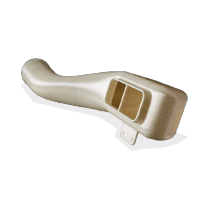
Ultem®: Applications
Ultem® is a strong thermoplastic used in various industries due to its impressive features. It can handle high temperatures, resist chemicals, and provide excellent electrical insulation.
1. Aerospace
PEI is standard in the aerospace industry for parts that must be strong yet lightweight and resistant to flames. It can handle extreme temperatures and harsh conditions, making it a good choice for brackets, housings, and interior components in aircraft.
2. Automotive
In the automotive industry, Ultem® enhances vehicle fuel efficiency by reducing weight while maintaining strength. It is commonly used in various vehicle parts, including electrical connectors, fuel system components, and interior components.
3. Electronics
Polyetherimide exhibits strong electrical properties and high dielectric strength, making it an ideal choice for electronic applications. It is often used in circuit boards, insulators, and connectors because these parts must be reliable and perform well.
4. Medical Devices
Ultem® is used in the medical field to make sterilizable components. It can withstand steam autoclaving, which is essential for safety. Common applications include surgical instruments, cases for medical devices, and parts that require body safety.
5. Industrial Machinery
The material is standard for parts that handle high temperatures and chemicals in industrial machines. Its strength and resistance to wear make it a popular choice for manufacturing equipment.
6. Food Processing
Ultem® is used in food processing equipment because it can handle high temperatures and resist chemicals. Making it a good choice for applications where hygiene and safety are essential.
Ultem®: Manufacturing Processes
Manufacturing polyetherimide requires special processes because it is a high-performance thermoplastic.
1. Material Properties
Ultem® is a strong material that can withstand high temperatures and resist chemicals. These qualities make it a good choice for demanding aerospace, automotive, and medical device applications.
2. Processing Techniques
Polyetherimide is a high-performance plastic that utilizes various advanced manufacturing techniques in its component production.
- Injection molding is the standard method for producing Ultem® parts. First, manufacturers heat the PEI resin until it melts. Next, they inject this molten material into a specially designed mold under high pressure, giving it the desired shape. This technique efficiently makes large numbers of complex parts consistently and reliably.
- Machining: Ultem® can be shaped through machining, enabling the creation of customized designs and sizes. This process is beneficial for custom parts or prototypes that require precise measurements. Techniques such as CNC (Computer Numerical Control) milling and turning enable the achievement of tight tolerances and smooth finishes, ensuring that the final products meet industry standards.
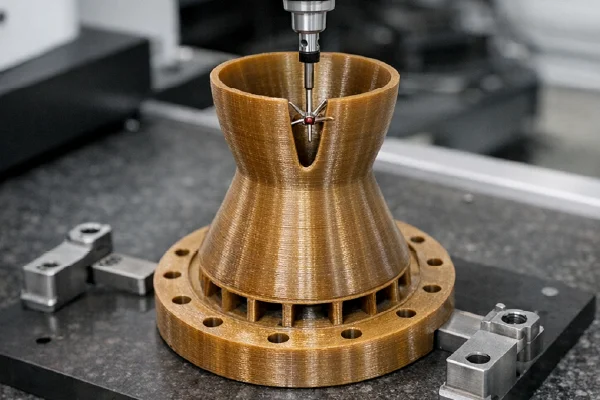
- 3D Printing: Polyetherimide is gaining popularity for 3D printing due to its strong mechanical properties and thermal stability. 3D printing enables the creation of complex shapes and detailed designs that are challenging to achieve with traditional methods. Techniques such as fused filament fabrication build parts layer by layer, offering more design options and reducing material waste.
These manufacturing methods enhance Ultem®’s versatility and performance, making it a preferred choice in the aerospace, automotive, and electronics industries.
3. Pre-Processing Requirements
Before processing, dry PEI removes moisture because it absorbs water. This step is crucial in preventing defects in the final product, such as bubbles or weak spots.
4. Post-Processing
After making Ultem® parts, you may need to perform some finishing work, such as sanding or polishing, to achieve the desired surface quality. Depending on how you use the parts, you might apply coatings to improve their wear resistance.
5. Quality Control
In critical applications, we maintain strict quality control measures during manufacturing. We test the material for its strength, size accuracy, and heat resistance. Ensuring that the finished products meet industry standards.
FAQs
Define: Ultem®
Ultem® is a high-performance thermoplastic polymer known for its exceptional strength and heat resistance.
Is Ultem® a strong material?
Ultem® is a high-performance polymer known for its exceptional strength and durability.
Can Ultem® be vapor smoothed?
Yes, Ultem® can be vapor smoothed to enhance its surface finish and reduce visible layer lines.
What does Ultem® look like?
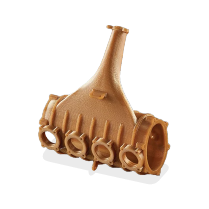
Ultem® is a high-performance thermoplastic with a translucent amber color that exhibits excellent strength, heat resistance, and chemical stability, making it ideal for demanding applications.