
Engineering and Design

Not Every Flexible Part Needs a Mold
When a part needs to flex, bend, cushion, seal, or absorb impact, it is easy to jump straight to molding. But the manufacturing decision gets more interesting when the quantity is modest, the design is still evolving, or tooling cost and lead time start to compete with the needs of...

How to choose a rapid prototyping process.
Prototyping is the first step in transforming your ideas into tangible products. With rapid prototyping, designers and engineers can quickly create and test models, refining their designs in record time and at a fraction of the cost. This innovative approach not only accelerates development but also enhances communication among teams...

A Guide to Material Hardness Testing
Material hardness testing ensures the quality, durability, and performance of metals and alloys in industries such as aerospace and construction. Our guide covers the four most common methods for testing material hardness: Brinell, Rockwell, Vickers, and Leeb. We will discuss their principles, procedures, applications, and how to choose the right...

A Guide to Tolerances and Fits in Mechanical Design
Understanding tolerances and fits is crucial for ensuring that parts come together seamlessly. From the ease of assembly to the reliability of function, the right combination of tolerances can make or break a project. Whether you're dealing with clearance fits that allow for smooth movement or interference fits that create...

Types of Jigs, Materials, and Manufacturing Processes
Jigs are an essential tool in manufacturing. They enable precision, repeatability, and efficiency. Understanding the different types of jigs, the best materials for their construction, and the most effective manufacturing processes are critical for engineers and manufacturers.

What are counterbore holes?
Counterbore holes are flat-bottomed, cylindrical recesses in a part that allow fastener heads to sit flush with or below the component surface. They are essential for achieving a flush mounting, improved aesthetics, enhanced safety, and strong mechanical performance.

Design Tips: Cast Urethane Medical Devices
Cast urethane offers material versatility, customizable prototyping, and low-volume production for medical devices. By understanding the properties and best practices, a wide range of medical devices can be produced.

Semiconductor Materials: Choice Matters in Design
The choice of material in semiconductor design is an incredibly important factor in determining a devices speed, power efficiency, heat management, reliability, and future scalability. Material innovation is foundational for semiconductor advancement as engineers and designers push the boundaries of performance and miniaturization.

Isotropy: Reliable Product Design
Isotropy is a game-changing concept in materials science and product design, ensuring uniform characteristics in all directions. This foundational property not only simplifies engineering analysis but also enhances the safety and reliability of products across various industries. From aerospace to medical devices, isotropic materials guarantee predictable performance, making them essential...

How Does GD&T Improve Manufacturing Processes?
Geometric Dimensioning and Tolerancing (GD&T) revolutionizes manufacturing by providing a precise, standardized language for defining part requirements—resulting in higher quality, lower costs, clearer communication, and optimized designs across various industries.

Introduction to Aerodynamics
Understanding key concepts, such as lift, drag, and thrust is essential for engineers and designers aiming to enhance efficiency and safety. Discover how materials and advanced manufacturing processes can optimize aerodynamic performance, reduce fuel consumption, and improve maneuverability.

What is Elasticity?
Elasticity is a fundamental concept in engineering that determines how materials respond to external forces, influencing safety, performance, and innovation across various industries. From the flexibility of bridges to the durability of prosthetic limbs, understanding elasticity is crucial for engineers and product designers. This post delves into the definition of...

7 Design Tips for Stereolithography
Unlock the potential of your 3D printing projects with our essential design tips for stereolithography (SLA). Whether you're an engineer or a hobbyist, understanding SLA can enhance your prints. From optimizing wall thickness to mastering support structures, our guide covers crucial techniques to avoid pitfalls and achieve great results. Elevate...

Master Deep Groove Machining Techniques?
Unlock the secrets of deep groove machining, a technique for creating precise channels in metal and plastic components. Essential for aerospace and automotive applications, mastering this process can enhance your manufacturing projects. Our guide covers groove geometry, material selection, and machining parameters to ensure high-quality results. Whether for sealing grooves...

What are countersink holes?
Discover the often-overlooked yet vital role of countersink holes in product design! These conical recesses not only enhance the aesthetics of your projects but also improve functionality and durability. From aerospace to consumer electronics, countersink holes ensure fasteners sit flush with surfaces, reducing snagging risks and enhancing joint stability. Whether...

What is malleability? Why is it essential in engineering?
Malleability enables metals to be shaped and formed into various designs without breaking, making it essential for manufacturing processes such as extrusion, forging, and rolling. From creating intricate jewelry to constructing robust buildings, the applications of malleable materials are vast and vital. Discover how the atomic structure of metals contributes...

What is Ductility? Why is it Important in Engineering?
Ductility is a crucial property in engineering that determines how much a material can stretch or deform before breaking. This characteristic is vital for applications like bridges, cables, and earthquake-resistant structures, where materials must withstand significant stress without failing.

What Are the Different Types of Gears?
Gears play a crucial role in machines by transferring power and controlling speed in everything from watches to wind turbines. Whether you're an aspiring engineer or a curious hobbyist, understanding gears is essential. This blog post looks at their unique designs, mechanical functions, and uses across different industries. Discover how...

Riveting vs. Welding: Choosing the Right Method to Join Parts
When connecting sheet metal parts, choosing between riveting and welding can significantly impact your project's quality and efficiency. Each method has its benefits and challenges. Knowing their differences is essential; for instance, riveting offers solid strength, while welding gives a smooth finish. Understanding when to use each method can save...

Why Is Ultimate Tensile Strength Important in Engineering?
Ultimate Tensile Strength (UTS) is a crucial concept in engineering and materials science that indicates the maximum stress a material can withstand when stretched. Understanding UTS helps engineers design safer structures and ensures that everyday items can withstand various forces. From steel beams in tall buildings to lightweight aerospace materials,...

A Guide to Types of Springs and Their Applications
Springs play a crucial role in many machines, providing energy storage, shock absorption, and movement control. From cars to everyday items like pens and springs, they are everywhere. In our guide, we explain different types of springs—compression, extension, and torsion—and how they are used in various fields. Learn how these...

What Is Shear Stress and Why Is It Important?
Shear stress is a fundamental concept that plays a critical role in engineering, physics, and everyday life. It influences the design and safety of structures, such as bridges and airplanes, as well as everyday activities like cutting paper or opening a jar. Understanding shear stress enables engineers to select the...

What Is Sheet Metal Hemming and Why Is It Important?
Sheet metal hemming is essential for making strong, safe, and attractive products in the food prep, automotive, and aerospace industries. This process eliminates sharp edges and makes products more durable and visually appealing. Different hemming techniques offer various benefits. Whether you are designing car panels or roofing materials, understanding hemming...

Drone Manufacturing: A Guide From Components to Production
Learn about the key parts that make drones fly and the new materials that improve their performance. See how drones change aerial photography, farming, delivery services, and the military. Whether creating hobbyist or commercial drones, understanding drone technology can help you succeed in today's fast-moving market.
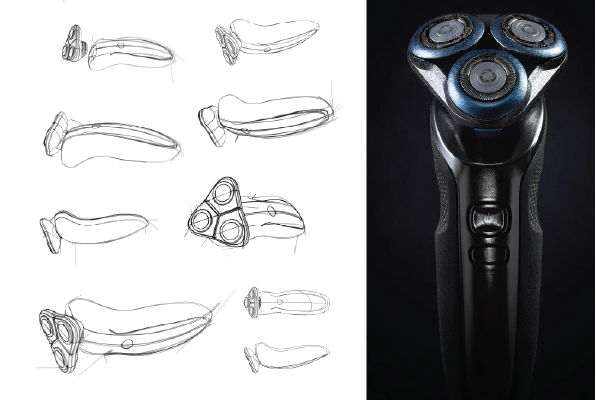
Rapid Prototyping: Bridging Ideas and Reality
In today's fast-paced world, rapid prototyping makes turning innovative ideas into products easier than ever. By utilizing advanced technologies like 3D printing and machining, designers can quickly create, test, and refine concepts. Rapid prototyping can significantly boost your product development in automotive, medical, and consumer electronics.
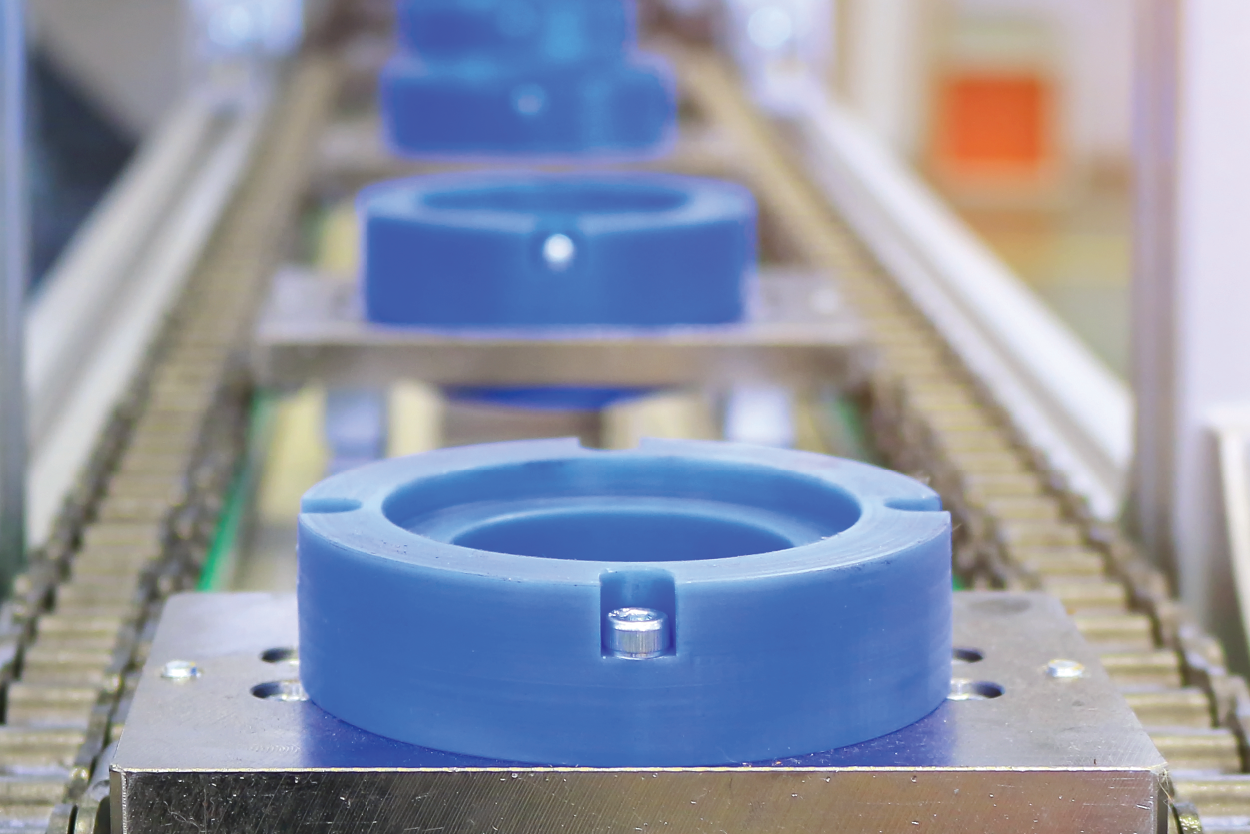
Custom Jigs and Fixtures: Intro to Designing for Manufacturing.
These essential tools enhance precision and consistency and boost productivity on the shop floor. Discover how well-designed jigs and fixtures can streamline operations, reduce errors, and improve product quality. From material selection to innovative manufacturing methods like CNC machining and 3D printing, learn how to create tailored solutions that meet...

Advancements in Manufacturing Technologies for Shipbuilding
The manufacturing of parts for ships is a crucial aspect of the maritime industry. This process involves various methods, materials, and technologies to ensure that vessels can withstand the harsh conditions of the sea. In this blog post, we will explore the key components of ship parts manufacturing.
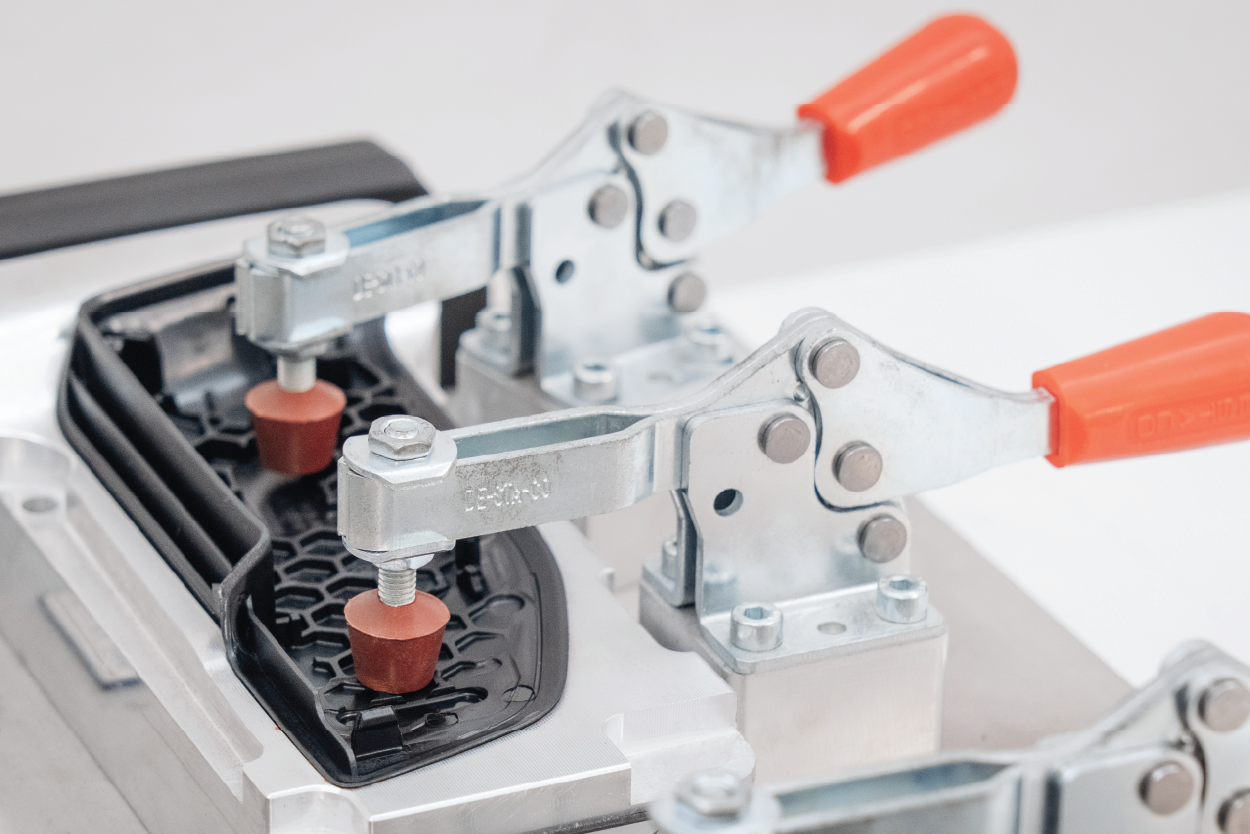
Jigs and Fixtures What are the Differences?
Understand the differences between jigs and fixtures to enhance your manufacturing process. These tools improve accuracy and efficiency, resulting in high-quality outcomes. Effective use of jigs and fixtures can boost productivity in industries like aerospace and automotive. Check out our guide for insights on using these tools in your next...
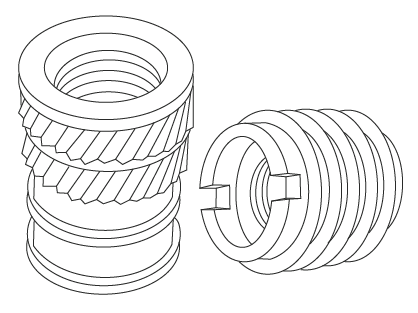
Introduction to Hardware Inserts
Discover the crucial role hardware inserts play in enhancing assembly functionality and durability across various industries. From automotive to aerospace, these small yet powerful components provide the strength and reliability needed for high-performance applications. Ensure your projects meet the highest standards of quality and longevity with hardware inserts.
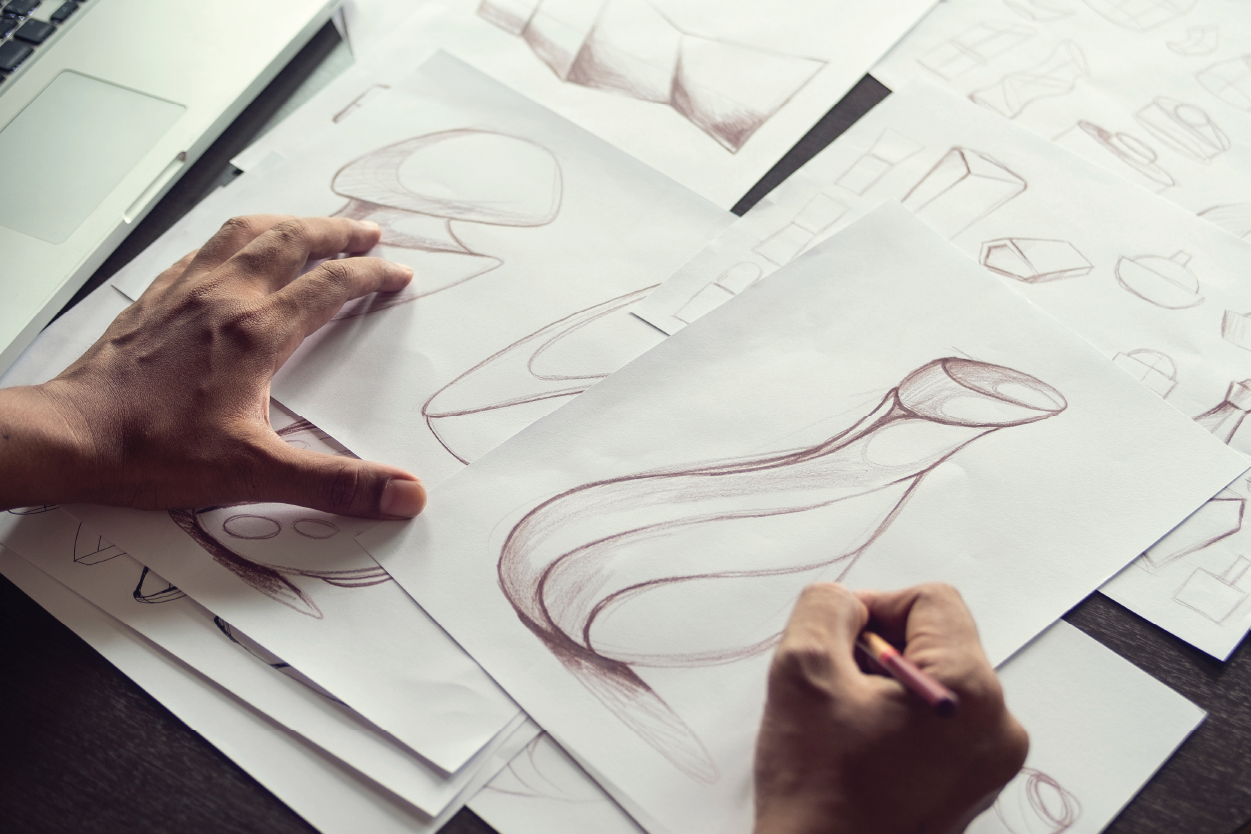
What You Need to Know About the Initial Prototyping Phase
The initial prototyping phase is a pivotal step in product development, setting the stage for a successful final product. At Prototek Digital Manufacturing, we understand the importance of this phase and are here to guide you. Discover how initial prototypes can validate your core concepts and streamline your design process.
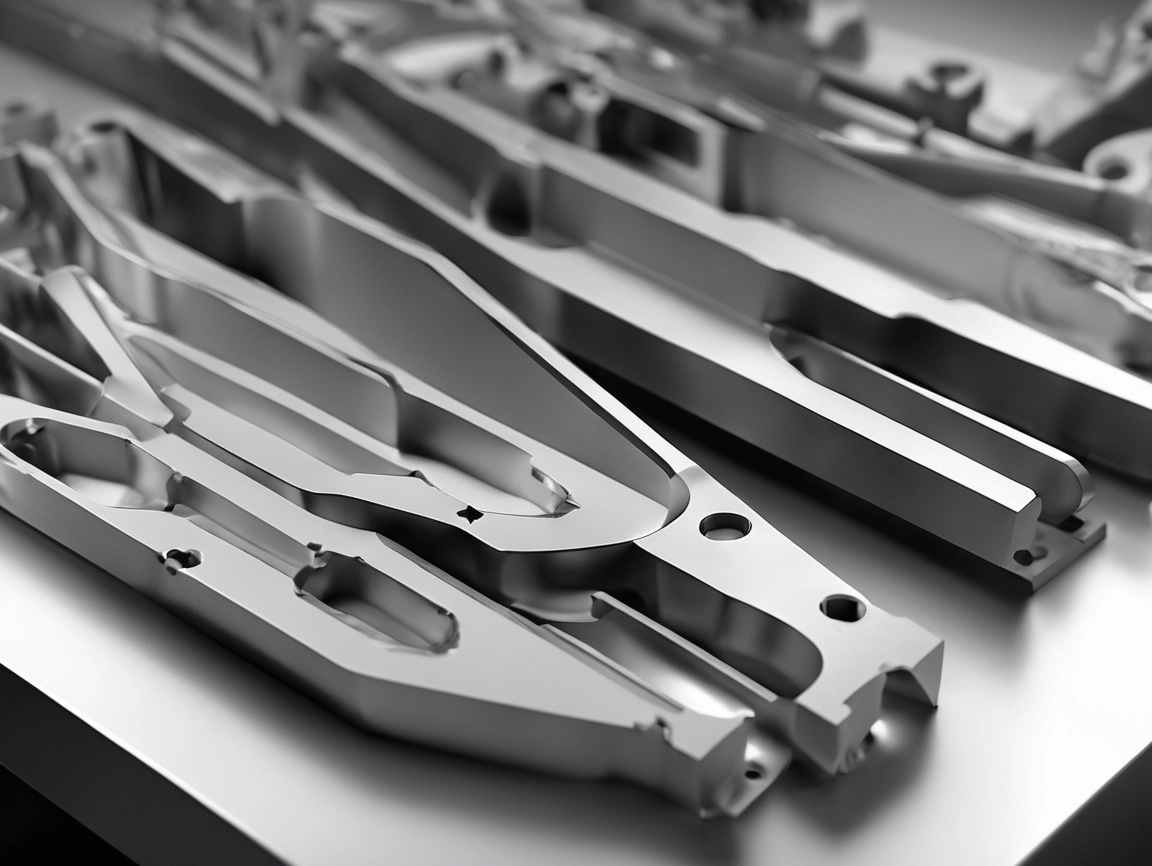
Fillets and Chamfers: Which is the Best Choice?
Choosing between fillets and chamfers can affect your final product when manufacturing and engineering. These two design elements have different purposes, from strengthening structures to enhancing looks. How do you choose the right one for your project? This blog post explores fillets' differences, benefits, and drawbacks.
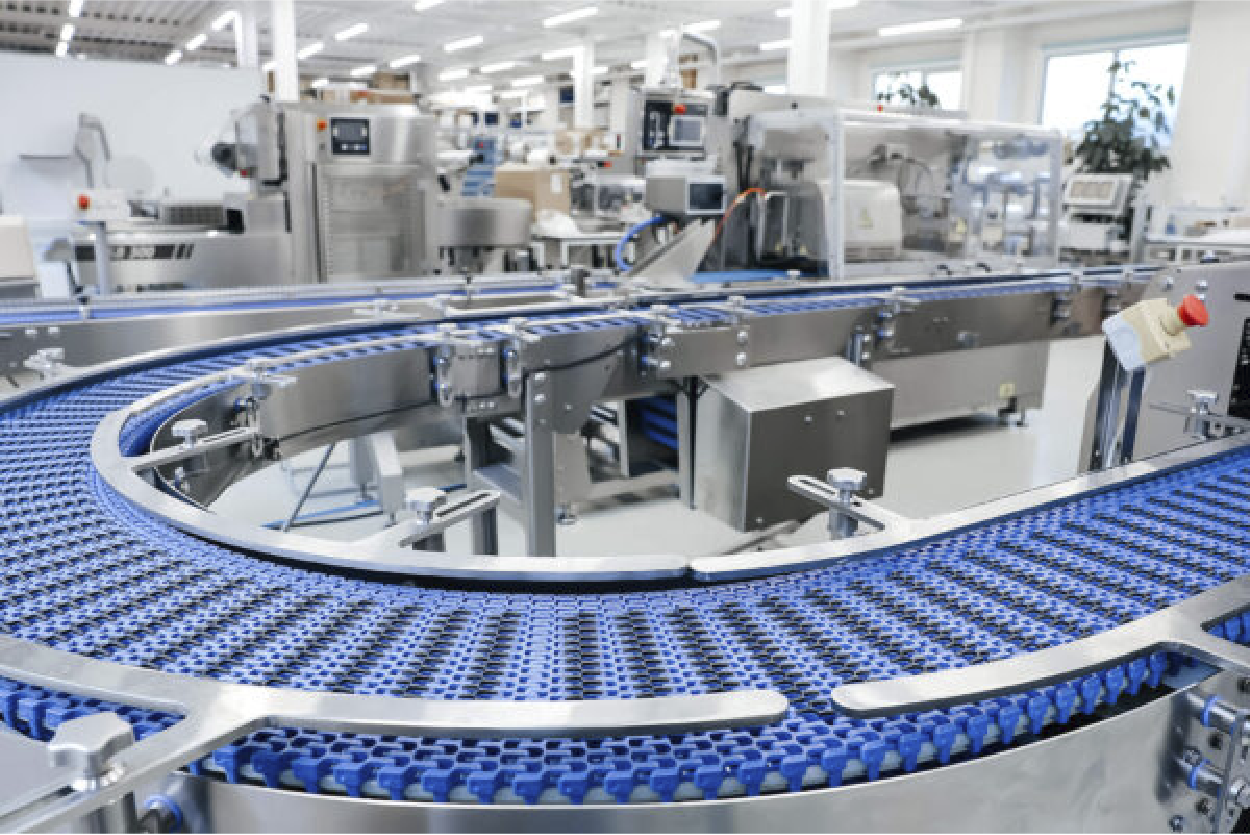
What Does Impact Resistance Mean?
Impact resistance is a vital characteristic for materials used in various industries, from automotive to aerospace. It defines a material's ability to endure sudden, high-force impacts without breaking or deforming, ensuring structural integrity and performance. Discover how factors like toughness, molecular structure, and tensile properties contribute to this property.
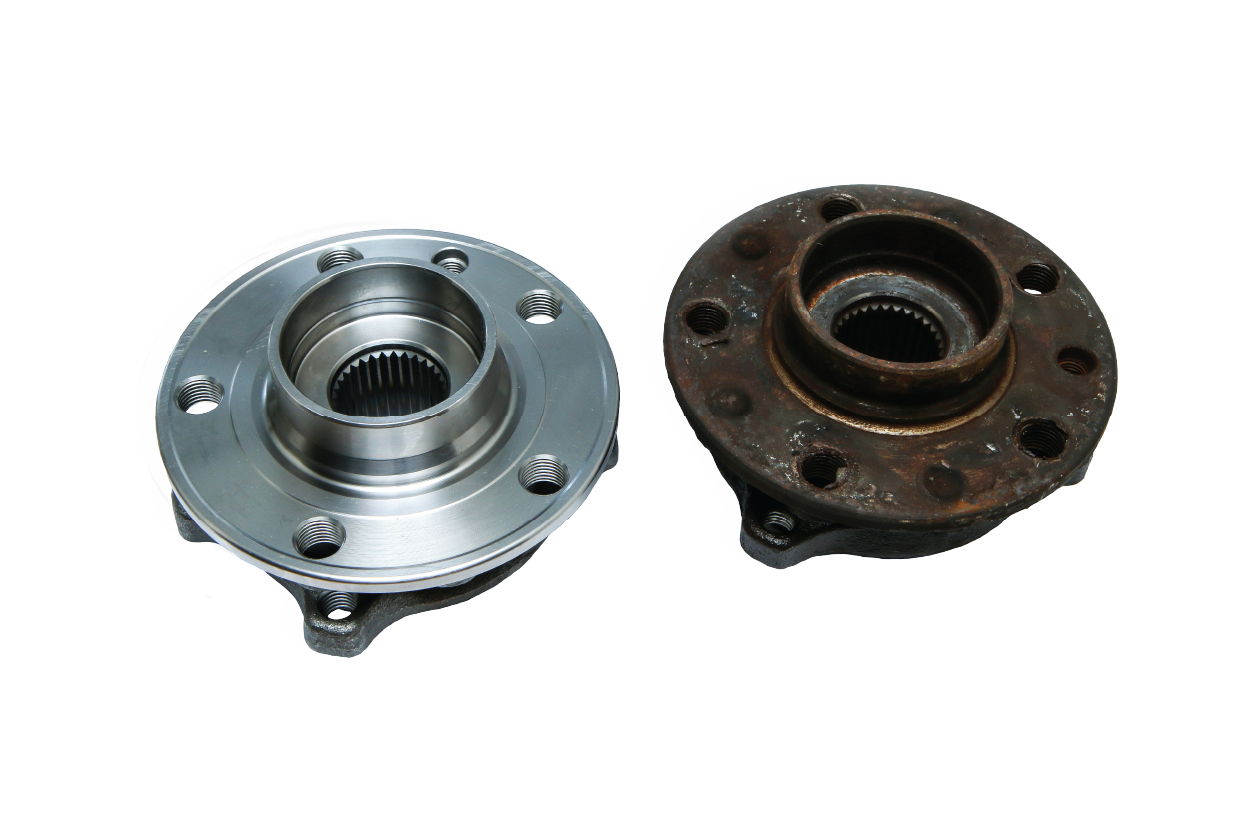
What Does Corrosion Resistance Mean?
Corrosion resistance is a vital aspect of material selection in industries like manufacturing, construction, and transportation. Understanding how materials resist corrosion can significantly impact the longevity and performance of your projects. From protective coatings and alloying to the inherent chemical composition of materials, various factors contribute to corrosion resistance.
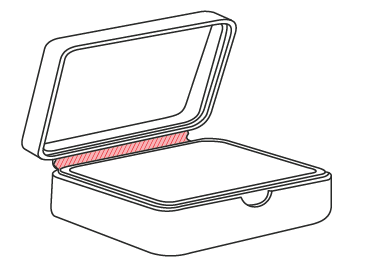
3D-Printed Enclosures
How-to Guide: Design recommendations for 3D-printed enclosures. Prototek offers seven industrial 3D printing technologies! Get a quote today.