Drone manufacturing has evolved into a highly advanced industry that utilizes cutting-edge technology, precise engineering, and innovative materials. This guide examines key aspects of drone manufacturing and explores new trends that will shape the industry’s future.
What is a drone?
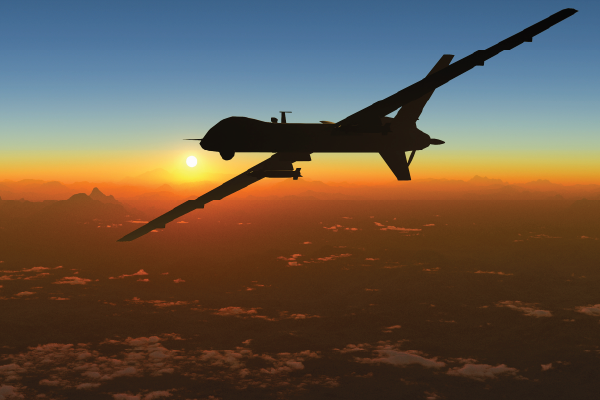
Drones, also known as uncrewed aerial vehicles (UAVs), are flying robots that have transformed many industries. They can be controlled remotely or operate autonomously. Drones can carry cameras, sensors, and various tools to perform multiple tasks.
These devices are essential in aerial photography, agriculture, building inspections, package delivery, and military operations. Drones can access hard-to-reach locations, gather real-time information, and execute precise movements, making them valuable for businesses and individuals.
As technology advances, the potential uses for drones continue to expand.
Essential Components of Modern Drones
Core Components
Drones are sophisticated, uncrewed aerial devices with several key components that work together to ensure optimal performance. Here’s a breakdown of these essential parts:
Frame and Chassis
The frame provides the drone’s stability and support for all other components. It comprises lightweight yet strong materials, such as carbon fiber, plastics, or aluminum. The frame must be sturdy enough to withstand the forces experienced during flight. A well-designed frame strikes a balance between strength and weight, as excessive weight can negatively impact flight performance and maneuverability.
Propulsion System
The propulsion system is crucial for the drone’s success. It typically features brushless motors, which provide higher durability and efficiency compared to older motor types. Each motor is connected to precisely balanced propellers, which minimize vibrations to ensure a smooth flight. The propeller design is optimized to account for factors such as pitch and diameter, generating optimal thrust. Electronic Speed Controllers (ESCs) are used to accurately manage power delivery, enabling quick adjustments to motor speed and thereby enhancing maneuverability and stability.
Flight Control Systems
The flight controller serves as the drone’s processor, processing real-time data on altitude, speed, and direction, and responding to commands from the remote control. Advanced algorithms maintain stability by analyzing data from various sensors, including accelerometers, gyroscopes, and GPS. This analysis helps the drone adjust its balance and flight path, allowing it to perform complex maneuvers, hover in place, and navigate varying conditions.
Power Systems
Drones primarily use lithium-polymer (LiPo) batteries due to their high power output and lightweight design. LiPo batteries enable longer flight times without significantly increasing weight, which is crucial for maintaining optimal performance. Battery setups can vary based on the drone’s design and intended use. Effective power management is essential for maximizing flight time and overall performance. Many drones have Battery Management Systems (BMS) that monitor battery health and prevent over-discharge, extending battery life.
Understanding these key components clarifies the functionality of drones. Each element ensures that drones operate effectively for recreational purposes or critical industrial applications.
- Are you ready to make your manufacturing project a reality, or do you have questions?
Common Materials in Drone Component Manufacturing
When manufacturing drones, selecting the appropriate materials is crucial for ensuring durability, efficiency, and optimal performance. Below are some of the most common materials used for various drone components, along with their key properties and applications.
Carbon Fiber Reinforced Polymer (CFRP)
Properties:
- Lightweight: Carbon fiber polymers are significantly lighter than metals, which is crucial for enhancing flight efficiency.
- High Strength and Stiffness: These materials offer excellent tensile strength and stiffness, allowing them to maintain structural integrity under various loads.
- Corrosion Resistance: Carbon fiber reinforced polymers (CFRP) are stable in high-temperature environments and corrosion-resistant.
Applications:
- Fuselage and Frame: Used for the primary structure of the drone.
- Wings and Rotors: Ideal for components that require a combination of strength and lightweight characteristics.
- Landing Gear: Provides durability while minimizing weight.
Aluminum Alloys
Properties:
- Lightweight and Strong: Aluminum alloys are lighter than steel but offer comparable strength, making them suitable for structural components.
- Good Electrical and Thermal Conductivity: This benefits components that require heat dissipation.
- Corrosion Resistance: Aluminum naturally forms a protective oxide layer, enhancing its durability.
Applications:
- Fuselage and Wing Structures: Commonly used for the drones’ main body and wings.
- Landing Gear and Control Surfaces: Provides a balance of strength and weight for these critical components.
High-Density Foam
Properties:
- Cost-Effective: Often more affordable than advanced composites, making it suitable for prototypes.
- Ease of Processing: This can be easily molded into various shapes, simplifying manufacturing.
- Waterproof: Its closed-cell structure provides excellent insulation and buoyancy.
Applications:
- Airframe Construction: Used in the initial stages of drone design and testing.
- Structural Components: Often combined with other materials for added strength and insulation.
Polycarbonate
Properties:
- High Impact Resistance: Polycarbonate can withstand significant impacts, making it ideal for protective components.
- Transparency: Allows for the integration of cameras and sensors without obstructing visibility.
- UV Resistance: Resists degradation from prolonged exposure to sunlight.
Applications:
- Canopies and Housings: Protect sensitive electronics and provide visibility for cameras.
- Camera Mounts: Ensures durability while maintaining optical clarity.
Nylon
Properties:
- Lightweight and Tough: Offers good impact resistance and flexibility, making it suitable for various drone parts.
- Temperature Resistance: Maintains performance in a range of temperatures.
- Fatigue Resistance: Withstands repeated stress without failure.
Applications:
- Functional Prototypes: Often used for parts that require durability and flexibility.
- Propellers and Guards: Provide strength and resilience against impacts.
Manufacturing Processes and Technologies for Drone Manufacturing
Drone manufacturing combines advanced technologies and processes to create lightweight, durable, high-performance components. Below is an overview of the key manufacturing methods used in the industry:
Additive Manufacturing (3D Printing)
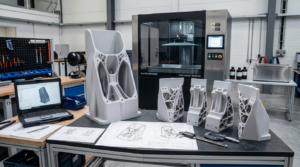
Additive manufacturing is a standard method for making drones. This technology enables the creation of rapid prototypes and the production of lightweight parts with complex shapes. This process allows for designs that are challenging or impossible to achieve with traditional methods. Popular techniques include selective laser sintering, multi-jet fusion, stereolithography, and fused filament fabrication, especially in the aerospace and drone industries.
- Advantages: It offers high customization, reduces material waste, and allows for rapid prototyping.
- Applications: It is common in structural components, housings, and lightweight frames.
CNC Machining
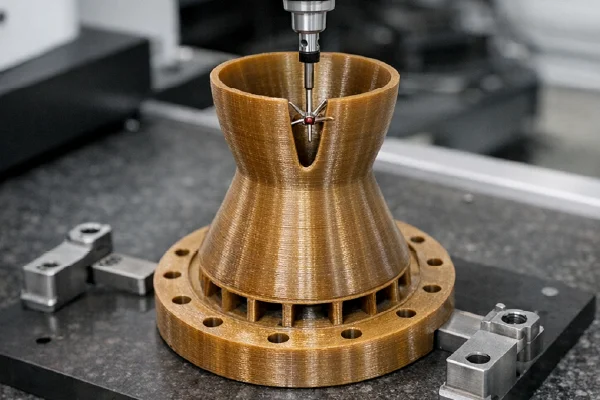
CNC (Computer Numerical Control) machining is a precision manufacturing process used to create metal and plastic parts for drones and other applications. It is ideal for producing components with tight tolerances and high strength, such as motor mounts, brackets, and frames.
- Advantages: High precision, compatibility with a wide range of materials, and scalability for production.
- Applications: Custom drone parts made from lightweight composites and metals.
Fabrication
Fabrication processes, such as sheet metal cutting and forming, are used to create drone structural components. These methods are beneficial for producing parts from aluminum or other lightweight metals.
- Advantages: Cost-effective for medium-scale production and suitable for durable, lightweight designs.
- Applications: Frames, enclosures, and structural reinforcements.
Cast Urethane
Cast urethane is a method for making high-quality prototypes and small quantities of parts. It uses molds to cast parts with urethane resins. These resins can imitate the qualities of standard production plastics.
- Advantages: Cost-effective for small batches, excellent surface finish, and material versatility.
- Applications: Prototyping and small-scale production of plastic components.
Injection Molding
Injection molding is a manufacturing process that rapidly produces large quantities of plastic parts. It is effective for making lightweight, durable components with consistent quality.
- Advantages: High production efficiency, low per-unit cost for large volumes, and excellent repeatability.
- Applications: Propellers, housings, and other plastic components.
Working with Prototek for Drone Component Manufacturing
Prototek Digital Manufacturing offers advanced manufacturing services that enable the production of drone components. Here’s a quick overview of what they can do:
Precision and Accuracy
Prototek utilizes advanced technologies, including 9-axis CNC machining and additive manufacturing, to ensure high precision and quality, which are essential for critical components such as motor mounts and structural frames.
Versatile Manufacturing Methods
Prototek offers several manufacturing options:
- CNC Machining: Ideal for creating accurate, durable parts while reducing production costs and time.
- Additive Manufacturing (3D Printing): Enables the creation of lightweight components with complex geometries and minimal waste.
- Sheet Metal Fabrication: Utilizes 2D laser cutting and 3D forming to create strong, lightweight parts, such as chassis.
Rapid Prototyping and Production
Prototek excels in rapid prototyping and low—to—medium volume production runs, enabling the quick development and testing of drone prototypes and accelerating market time.
Compliance and Certifications
Prototek’s ITAR, DFAR, and ISO certifications ensure compliance with the stringent requirements of the aerospace and defense industries, which are critical for military and commercial drones.
Instant Quoting and Efficient Processes
Our AI-powered quoting platform, Prototek IQ, streamlines the process of obtaining quotes, saving time, and enhancing efficiency in drone component production.
The Current Climate for Manufacturing Drone Components in the US
President Trump recently signed executive orders to change how the US drone manufacturing industry operates, improve military uses, and enhance airspace security. These orders aim to boost domestic production, strengthen national security, and keep the US at the forefront of drone technology.
The drone industry in the US is also growing quickly because more people want drones for commercial and recreational use. This growth has created a strong market for making drone parts. Companies are investing in new technologies and efficient production methods to meet the changing needs of the industry. This situation offers manufacturers a great chance to exploit the growing drone market and become key players in this exciting field.
FAQs
Define: A Drone
A drone is an unmanned aerial vehicle that can be remotely controlled or autonomously operated.
How are drones manufactured?
Drones are manufactured through a combination of additive manufacturing, CNC machining, and assembly of electronic components.