A jig is a technical device common in manufacturing for holding a workpiece in position. Jigs are common during machining or assembly operations. While fixtures also hold the workpiece in place during these operations, jigs also guide the tool. They provide precision and repeatable outcomes, reduce human error, increase efficiency, and maintain high-quality standards across industries such as aerospace, automotive, electronics, and medical device manufacturing.
In this blog post, we will discuss the types of jigs and the materials and manufacturing processes that commonly create them.
What are the common types of jigs?
Jigs can come in numerous forms. Each form is specific to the manufacturing tasks it will aid in. The following is a list of the main types of jigs, their functions, and typical applications:
- Template Jig: Also known as an “open” jig, these are flat plates or guides with predetermined holes for simple, low-volume drilling. Common in sheet metal hole patterns for cutting or routing.
- Plate Jig: An open-type plate with drill brushes for repetitive and accurate drilling, reaming, or tapping large flat components. For example, engine block drilling.
- Channel Jig: Channel-shaped or U-shaped, these support and clamp the workpiece, allowing drilling or machining on three sides without repositioning. An example use would be bar drilling.
- Diameter Jig: These are for cylindrical or spherical workpieces, such as shaft and pipe drilling. They feature a fixed V-block to position the part and a clamping plate.
- Leaf Jig: These are hinged plates for easy loading and unloading. Example use cases include small-batch drilling.
- Ring Jig: For circular or flanged parts, it allows drilling flanges.
- Box Jig: These enclose the workpiece for maximum support and accuracy—for example, gearbox housing drilling.
Note: Drilling jigs are the most common form of jig. They ensure high positional accuracy and repeatability, especially in medium- to high-volume production.
What are assembly jigs?
These are special jigs that hold multiple components for precision alignment during assembly. Common use cases include automotive sub-assemblies and electronics (PCB placement). They ensure consistent assembly quality and reduce manual errors.
If you’re looking for these to aid manufacturing and production, let us know! We use them on assembly projects for customers. Our team has experience and the willingness to help you customize jigs for your needs.
What are welding jigs?
Welding jigs are used for measurement and quality control. They hold the workpieces in place while welding. They can check hole locations and verify tolerances while streamlining inspection and reducing measurement errors.
What is a specialized jig?
- Indexing Jigs: These jigs rotate workpieces for spaced operations, such as bolt circles.
- Smart Jigs: AI-enabled or sensor jigs for real-time adjustment.
- Vacuum Jigs: Use a vacuum for delicate or flat parts, for example, PCB assemblies.
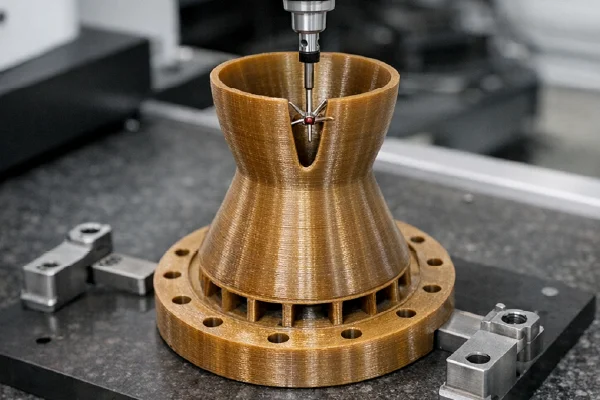
- 3D-Printed Jigs: Rapid, custom, lightweight jigs created with various 3D printing technologies.
What kinds of materials are used to create jigs?
There are several excellent jig materials, but deciding which one is right for your project can be tricky. There are a few factors to consider that will affect performance, durability, and cost. The following table explores some of the most common material choices for jigs:
| Material | Advantages | Common Applications | Notes |
|---|---|---|---|
|
Alloy/Tool Steel |
High strength, wear-resistant, and heat treatable. |
High-load, high-wear, and precision jigs. |
Long-Life |
|
Aluminum |
Lightweight, corrosion-resistant, and easy to machine. |
Medium-duty, large size, or modular jigs. |
6061 for general use, and 7075 for high strength.
|
|
Plastics |
Lightweight, non-marring, and easy to fabricate. |
Light-duty, delicate, or temporary jigs. |
Acetal for strength and nylon for bonding. |
|
Composites |
High strength-to-weight, corrosion-resistant, and highly customizable. |
Corrosive, outdoor, or specialized jigs. |
Harsh environments or weight-sensitive needs. |
What are common manufacturing processes to create jigs?
The following processes are the most common. The choice of process for your project depends on the complexity, precision requirements, material, and production volume.
| Processes | Procedures | Capabilities | Advantages | Limitations | Appropriate when... |
|---|---|---|---|---|---|
|
Milling, drilling, and turning. |
High-precision, complex geometries, metals, and plastics. |
Precision, flexibility, and established processes. |
Costly for high volumes and material waste. |
High accuracy, custom, low-volume jigs. |
|
|
Fused filament fabrication, stereolithography, and selective laser sintering. |
Rapid prototyping, complex geometries, and lattice structures. |
Fast, design freedom, and low waste. |
Lower strength, limited materials, and post-processing. |
Prototyping, complex, and ergonomic jigs. |
|
|
Mold making, pouring, and finishing. |
Large/heavy parts, high-volume, and robust jigs. |
Economical for volume, strong, and large sizes. |
High tooling cost, less flexible, and finishing issues. |
High volume and large/simple jigs. |
|
|
Cutting, welding, and assembly. |
Large/modular jigs, custom frames, and metal structures. |
Flexible and cost-effective fro large/custom jigs. |
Distortion, skilled labor needed, and post-weld machining. |
Large, modular, and custom jigs. |
|
|
Fastening, joining, and fitting. |
Modular/adjustable jigs, multi-material, and complex assemblies. |
Repairable, upgradable, and combines multiple processes. |
Joint accuracy and assembly errors. |
Modularity, maintenance, and multiple process/material jigs. |
FAQs
Define: Jig (manufacturing)
A jig is a manufacturing tool that holds and guides a workpiece during machining or assembly. It ensures precise, repeatable positioning, alignment, and support of the workpiece, enabling consistent, accurate production of parts or products.
What is the difference between a jig and a fixture?
A jig is a tool that holds and guides a workpiece during machining or assembly, while a fixture is a device that securely holds a workpiece in a fixed position for machining or assembly.
How to choose the right material for your manufacturing jig?
When choosing the right material for your manufacturing jig, consider the following factors:
- Strength and rigidity to support the workpiece.
- Durability and wear resistance for repeated use.
- Machinability for easy fabrication and modifications.
- Cost-effectiveness to stay within budget.
- Compatibility with the manufacturing process and materials.