Polypropylene is a versatile plastic widely used in a variety of products. It boasts strong mechanical properties and fulfills a variety of functions. This blog post will examine the origins of polypropylene, its physical and mechanical properties, and its impact on industries worldwide.
What is the history of polypropylene, and how is it made?
Polypropylene is a common and versatile plastic type. It was first made in 1954 by Italian chemist Giulio Natta. Natta created a catalyst that produced a form of polypropylene with special properties. Due to these properties, polypropylene is standard in various industries, particularly for its strength, stiffness, heat resistance, and low cost.
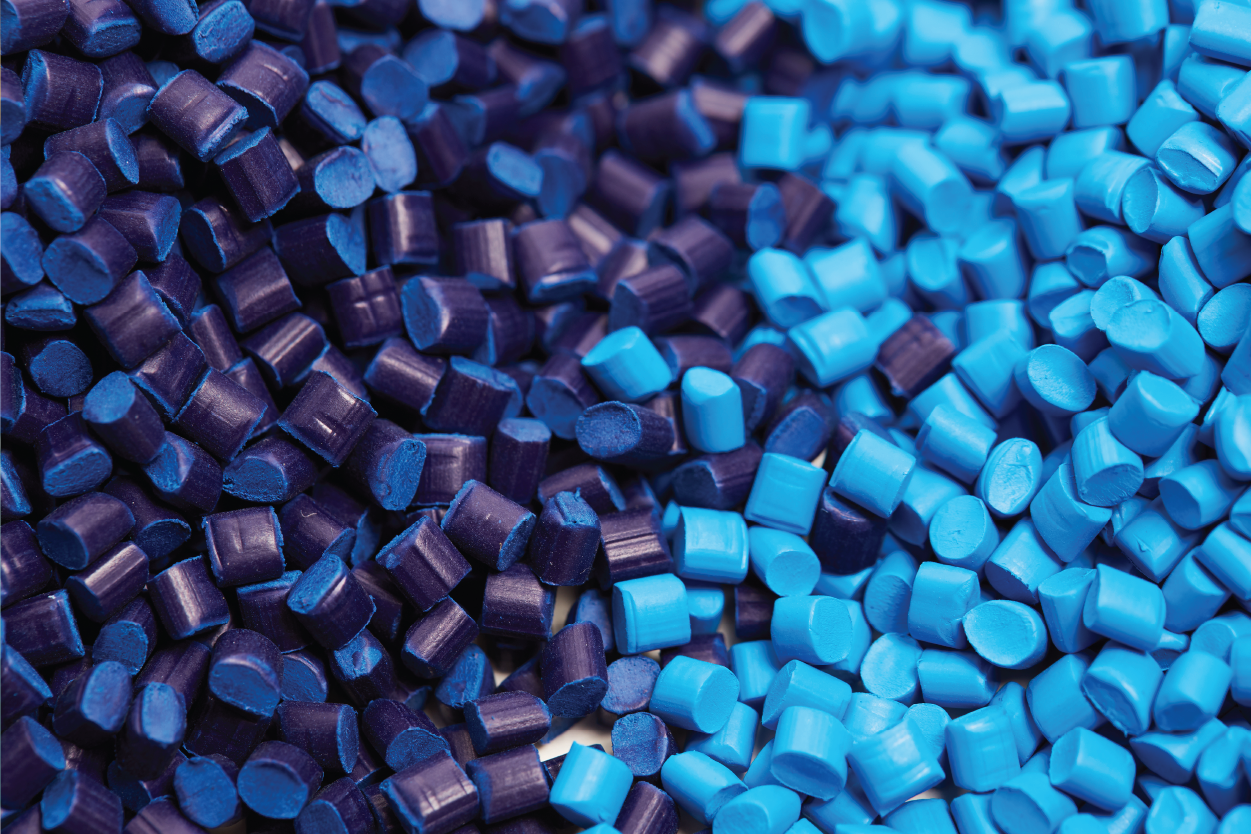
To produce polypropylene, manufacturers first distill crude oil to obtain propylene gas. They then use a catalyst to turn the gas into long chains of plastic. The melted polypropylene is shaped into pellets or chips through a process called extrusion and then cooled for further use.
Polypropylene’s flexibility enables it use in a wide range of applications, from hard plastics to soft films. With ongoing innovations, new uses for this remarkable material will continue to emerge.
What are the mechanical properties of polypropylene?
Polypropylene is a versatile plastic known for its strong mechanical properties. Here are some of its essential characteristics:
High Tensile Strength
Polypropylene is a strong and durable plastic used in numerous products due to its excellent physical and chemical properties. It can withstand tension from 2,900 to 5,800 psi (20 to 40 MPa), making it suitable for both industrial and everyday items.
Impact Resistance
Polypropylene is a strong material that resists impact well, especially in cold temperatures. This quality makes it a wise choice for many products, including car parts, packaging, and everyday items.
Unique Combination of Flexibility and Stiffness
Polypropylene is a flexible material that can bend and resist shape changes while retaining its stiffness, making it an excellent choice for products that require both flexibility and strength, such as packaging and car parts.
Fatigue Resistance
Polypropylene is resistant to fatigue, which helps it maintain its shape and performance even when subjected to repeated stress. Meaning it can handle different forces without breaking, making it a reliable and long-lasting material for many uses.
Low Density
Polypropylene is a lightweight plastic polymer with a density of approximately 0.9 g/cm³. Making it suitable for many applications where maintaining a low weight is crucial. Industries such as automotive, packaging, and aerospace use this material because its lightweight nature helps lower fuel consumption, transportation costs, and overall energy consumption.
What industries use this material?
Polypropylene is a flexible plastic widely used in various industries due to its unique properties. Some of the main areas that use it include:
Polypropylene in the Automotive Industry
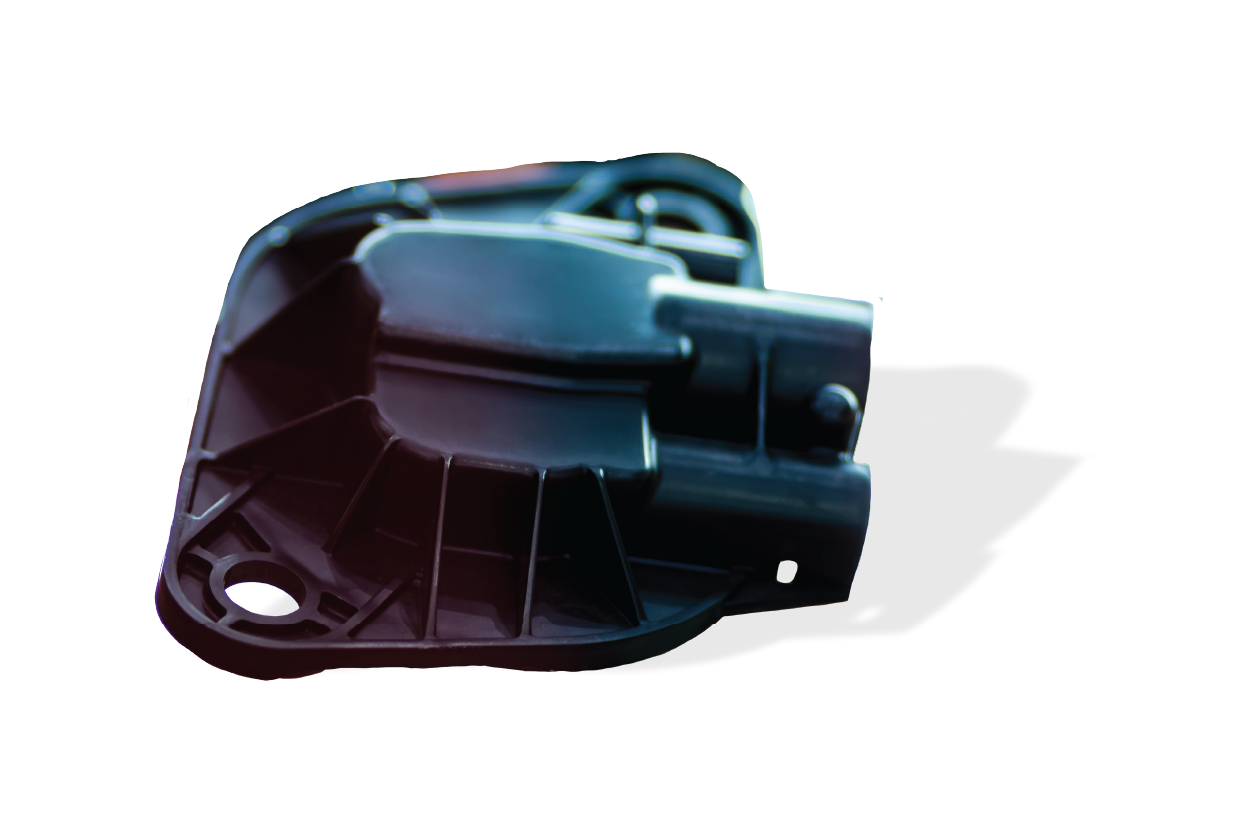
Polypropylene is a type of plastic widely used in the automotive industry due to its numerous beneficial qualities. It produces various components, including bumpers, dashboards, and door panels. People prefer polypropylene because it is strong, lightweight, and can handle harsh environmental conditions. Making it an excellent choice for the automotive industry.
Packaging Industry
Polypropylene is a versatile plastic standard in the packaging industry. It is highly resistant to chemicals, strong against impacts, and can withstand heat, making it ideal for packaging items like food containers, bottles, caps, and closures. Its lightweight and affordable nature also makes it a top choice for manufacturers seeking to enhance their packaging solutions.
Polypropylenes use in Appliances and Electronics
Polypropylene is a flexible plastic standard in the appliance and electronics industries. Its strong properties, like high impact resistance, chemical resistance, and low weight, make it an excellent choice for many uses. In appliances, manufacturers often use polypropylene for parts like housings, handles, and internal components. This material provides both durability and a modern look. In electronics, polypropylene is used for enclosures, connectors, and insulation, ensuring that sensitive components are well-protected and function reliably. Because it is adaptable and cost-effective, many manufacturers prefer polypropylene to improve the function and appearance of their products.
Construction Industry
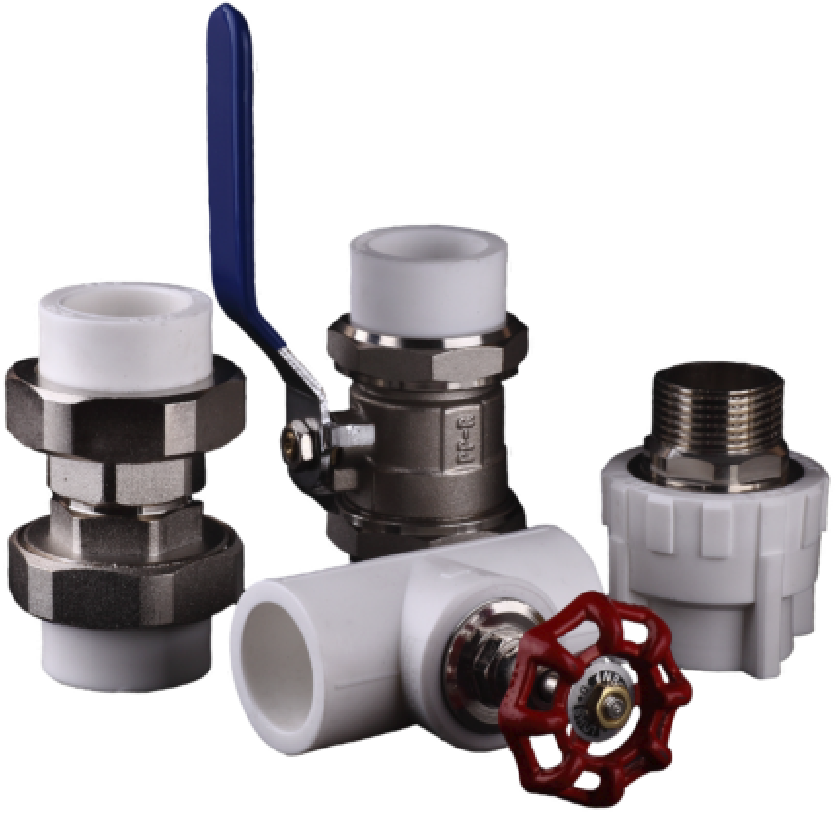
Polypropylene is a strong and lightweight plastic used in many construction areas. It is durable and resistant to chemicals, making it a suitable choice for a wide range of products. Some common uses include pipes and fittings for plumbing and drainage, roofing materials such as waterproof membranes and shingles, and insulation products like foam boards and spray insulation. You can also find polypropylene in flooring options, such as vinyl tiles and carpets, as well as in packaging for construction materials, parts for construction vehicles, and furniture for site offices and temporary buildings.
Why choose polypropylene for your project?
Polypropylene is a strong and durable plastic that has many benefits for your project. It is lightweight, resistant to chemicals, and stable in high temperatures, making it a versatile choice for various applications. Because it is cost-effective and easy to process, polypropylene can help you meet your design goals while improving your project’s efficiency and performance.
FAQs
Polypropylene is a strong and lightweight plastic used in various applications, including packaging, automotive parts, and everyday items. It is popular because it resists chemicals and is very durable.
Polypropylene is a widely used material in various industries, including automotive, packaging, textiles, and consumer goods. It is popular because it is versatile, durable, and cost-effective. The use of polypropylene in a variety of products, including molded parts, flexible films, and fibers.
This versatile thermoplastic polymer is common in packaging, automotive parts, and household items due to its durability and chemical resistance.
There are many finishing options for components made from this material, including matte, glossy, and textured surfaces.