SLA QuickCast® and traditional investment casting are both methods used to create complex metal parts, but they differ significantly in their approach, speed, and cost.
What is SLA QuickCast®?
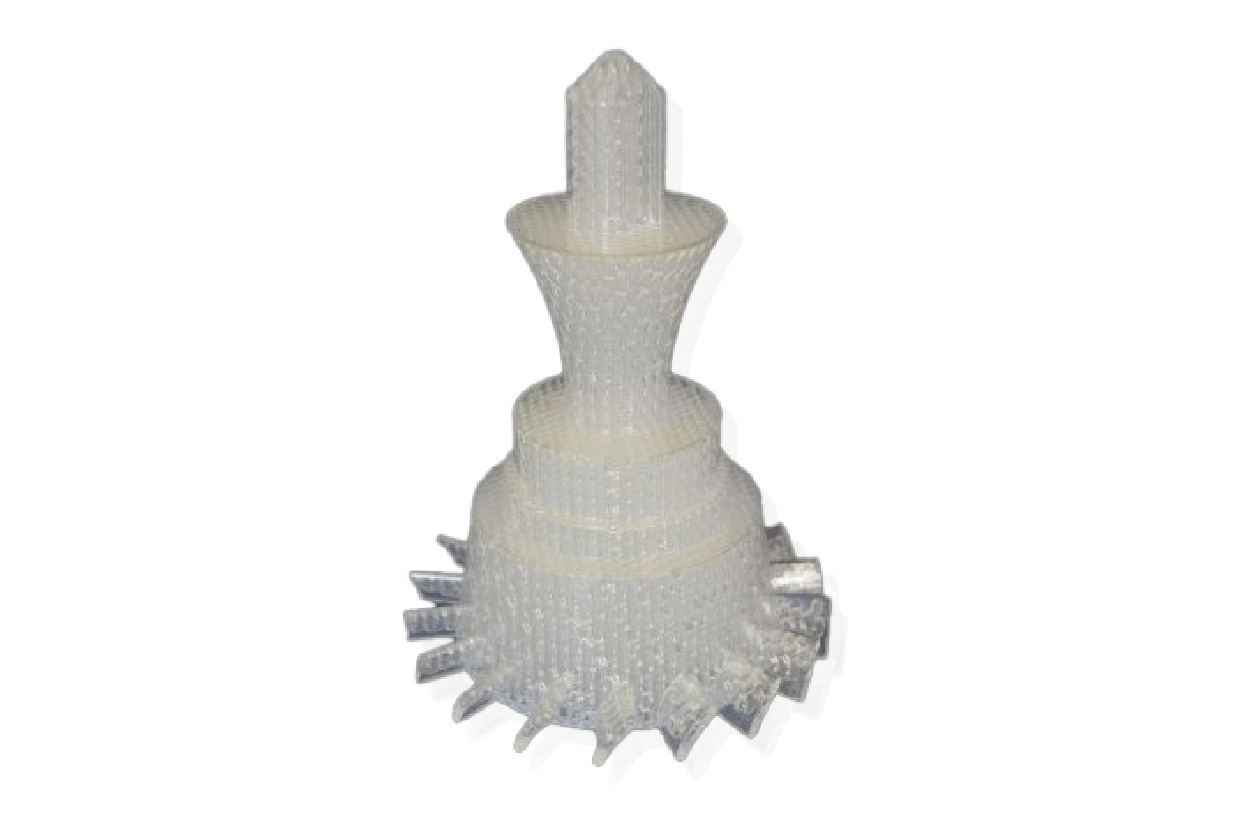
SLA QuickCast® is a process that uses stereolithography (SLA) 3D printing to create highly accurate, lightweight resin patterns for investment casting. The use of these patterns is in the same way as traditional wax patterns in the investment casting process, but with several key advantages:
- Speed: SLA QuickCast® patterns can be produced much faster than conventional wax patterns, often in as little as five days, regardless of part complexity or size.
- Cost-Effectiveness: By bypassing the tooling and manual labor required for wax patterns, SLA QuickCast® significantly reduces both time and cost.
- Design Flexibility: The additive manufacturing process enables the creation of intricate geometries and internal features that would be challenging or impossible to achieve with traditional methods.
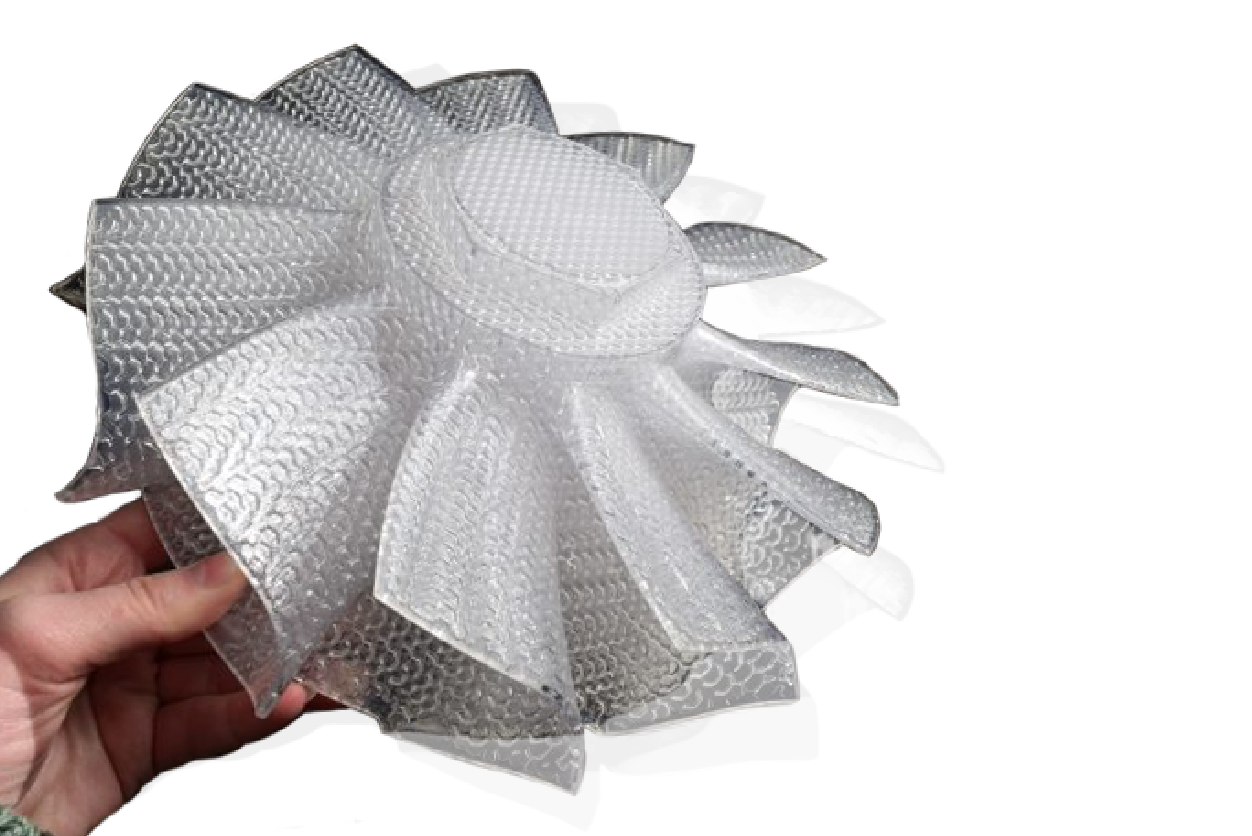
- Lightweight Patterns: The QuickCast® build style produces hollow patterns with internal hexagonal supports, making them lighter and reducing the risk of shell cracking during the burnout process.
What is Traditional Investment Casting?
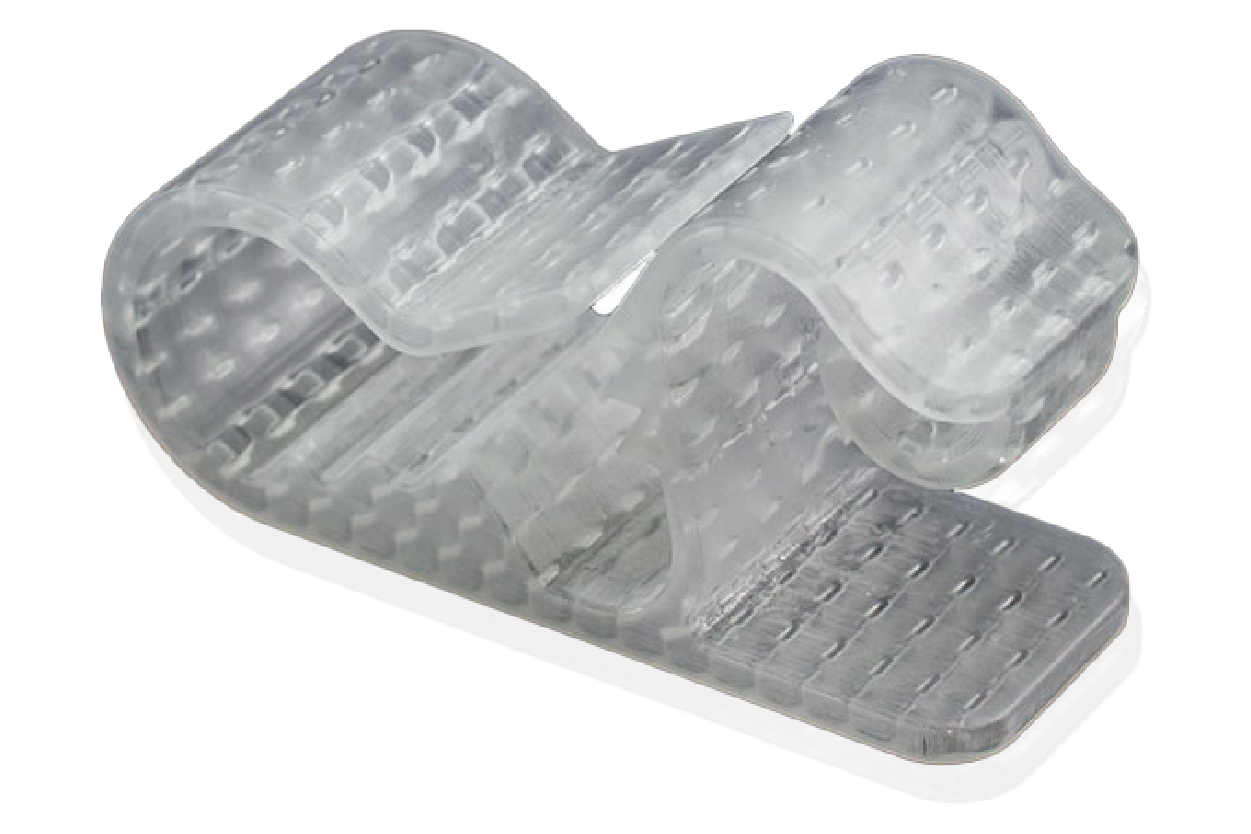
Traditional investment casting involves creating a wax pattern, surrounding it with a ceramic shell, melting out the wax, and then pouring molten metal into the cavity. This process is well-established and produces high-quality metal parts, but it has some limitations:
- Longer Lead Times: Creating tooling and wax patterns is a time-consuming process, especially for complex or custom parts.
- Higher Costs for Prototyping: The need for tooling makes small runs or prototypes expensive.
- Design Constraints: Some complex geometries are difficult to achieve with wax patterns.
Key Differences
| Feature | SLA QuickCast® | Traditional Investment Casting |
|---|---|---|
|
Pattern Creation |
3D printed resin (SLA) |
Wax injection molding |
|
Lead Time |
Days |
Weeks |
|
Cost |
Lower for prototypes/small runs |
Higher due to tooling |
|
Design Complexity |
High (complex, intricate geometries) |
Limited by tooling and wax handling |
|
Pattern Weight |
Lightweight, hollow |
Solid |
|
Best For |
Rapid prototyping, complex parts |
High-volume production, simple parts |
When to Use Each Method
- SLA QuickCast® is ideal for rapid prototyping, low-volume production, or when complex geometries are required. It is beneficial when speed and flexibility are priorities.
- Traditional investment casting is better suited for high-volume production of simpler parts, where the cost of tooling can be amortized over a large number of units.
In Review
SLA QuickCast® leverages 3D printing to invest cast faster, more flexibly, and cost-effectively for complex or low-volume parts, while traditional investment casting remains a strong choice for high-volume, less complex production runs. The choice depends on your project’s needs for speed, complexity, and volume.
FAQs
Prototek’s SLA QuickCast® provides a faster and more cost-effective alternative to traditional investment casting. Additionally, it delivers high-quality parts with reduced lead times and increased design flexibility.
Prototek’s rapid prototyping solution, SLA QuickCast®, employs stereolithography (SLA) technology to produce high-quality, detailed parts rapidly.
Traditional investment casting is a precise metal-forming process that involves creating a wax or plastic pattern, coating it, and then melting it to leave a hollow mold for casting.
Various industries use SLA QuickCast® and traditional investment casting, including aerospace, automotive, medical, and consumer products. This enables rapid prototyping and production of complex metal components.