Acrylonitrile butadiene styrene, or ABS, is a strong and flexible plastic used in many products we encounter daily. You can find ABS in items like LEGO bricks and car dashboards. This material is popular because it is easy to work with and has a good mix of strength and flexibility. In this text, we will examine what ABS is composed of, its properties, its applications, and its importance in various industries.
What is ABS?
ABS is a terpolymer composed of three different monomers:
- Acrylonitrile: This monomer provides chemical resistance and thermal stability.
- Butadiene: It contributes toughness and impact resistance.
- Styrene: This component adds rigidity and creates a glossy, attractive surface finish.
The combination of these three components is achieved through emulsion polymerization, resulting in a plastic that balances strength, resilience, and aesthetic appeal.
What is the history of acrylonitrile butadiene styrene, and how is it made?
ABS is an essential plastic type in our daily lives. Its unique properties and long development history enable it for many uses.
Researchers in Germany first developed ABS in the 1930s. Initially, the automotive industry adopted it because it is strong and durable, making it ideal for various car parts.
Over the years, the process of producing ABS has undergone significant improvements. This change has enabled manufacturers to control their properties better and expand their applications. This versatility makes it popular in many industries.
ABS has many advantages. It resists chemicals, heat, and impact and is easy to mold, making it an excellent choice for various applications, such as household appliances, electronics, toys, and car parts.
As technology advances, the ABS manufacturing process continues to evolve, with a focus on enhanced performance and sustainability. At Prototek Digital Manufacturing, we offer a range of ABS manufacturing services, including additive manufacturing, CNC machining, and sheet metal fabrication, to help our clients bring their ideas to life.
What are the mechanical properties of acrylonitrile butadiene styrene?
ABS is well-known for its strong and valuable properties. Making it a versatile material suitable for various applications.
- Impact Resistance: ABS is a strong material that can handle shocks and drops. Making it ideal for products that require durability, such as car parts, electronic cases, and safety gear.
- Rigidity and Strength: This material stays strong and keeps its shape under high pressure. It is beneficial for users who require stability, such as those in the construction and manufacturing industries.
- Ease of Processing: Processing ABS can include injection molding, extrusion, and 3D printing, because it is a versatile material. This versatility enables manufacturers to easily and efficiently create complex shapes and designs.
- Chemical Resistance: ABS resists many corrosive substances, including acids, alkalis, and oils. Making it a good choice for use in areas where harsh chemicals are present.
- Surface Quality: You can process the material to create a smooth and glossy finish. It not only enhances its appearance but also facilitates easy painting or the addition of surface coatings for further customization.
- Thermal Stability: ABS can withstand moderate temperatures without degrading, making it a suitable choice for products exposed to temperature fluctuations, such as electrical boxes and home appliances.
Which industries use the ABS?
Acrylonitrile Butadiene Styrene is a flexible and strong plastic. It is a popular choice in many industries. Here are some essential sectors that use ABS, along with their applications:
Automotive
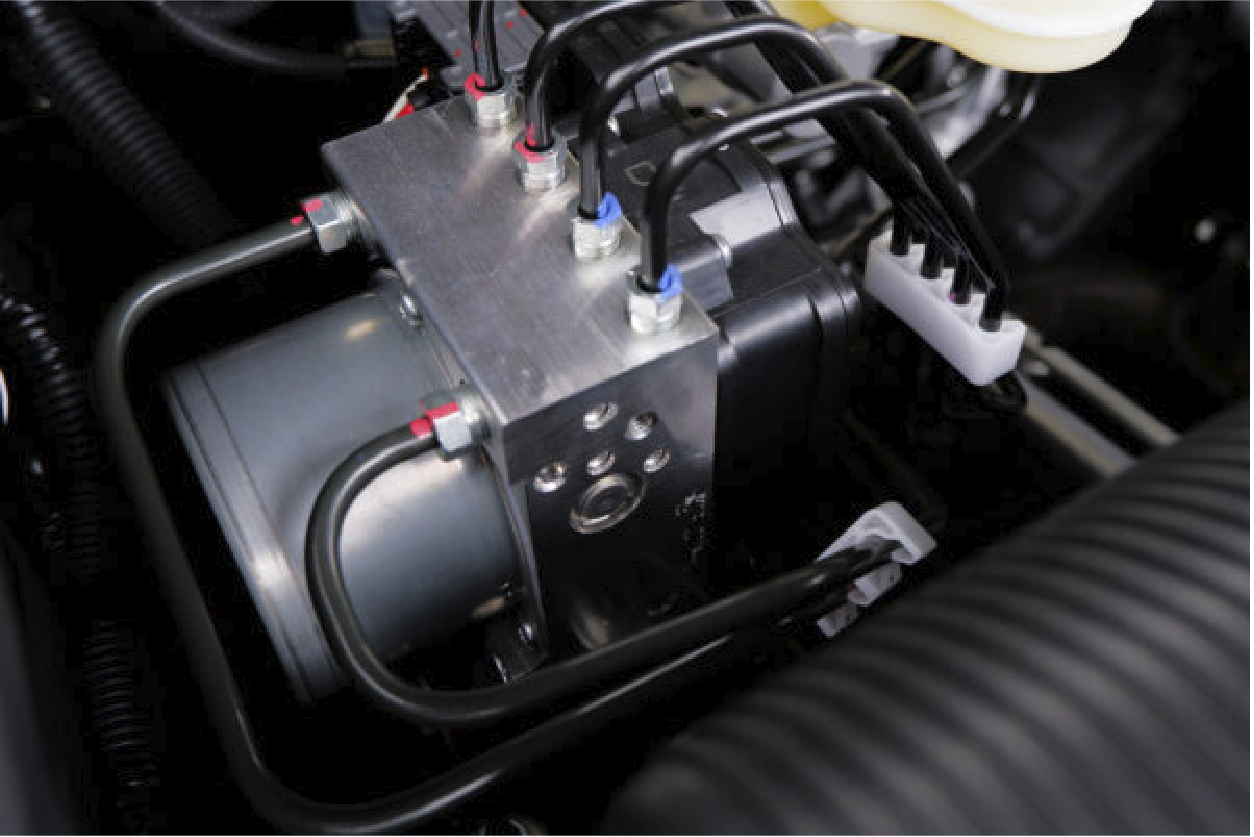
In the automotive industry, ABS is a strong and durable material. Making it essential for making high-quality car parts. It is easy to shape, allowing manufacturers to create complex designs for crucial components like dashboards, door panels, bumpers, and interior trim. ABS also resists impact, which helps keep cars safe and last longer. Additionally, it offers a range of finishes to suit various looks.
Electronics
ABS is important in electronics. It is common in enclosures for devices like computers, smartphones, and home appliances. People prefer this plastic because it insulates well, protecting internal parts from heat and electromagnetic interference. Its resistance to chemicals and moisture also makes electronic casings more durable, which helps devices last longer.
Consumer Products
ABS is a standard material used to manufacture a wide range of consumer products, including toys, sports equipment, and household items. People choose ABS because it is both strong and lightweight, which helps products withstand rough use while remaining easy to handle. Additionally, ABS is easy to color and finish, making products visually appealing to buyers.
Construction
The construction industry utilizes Acrylonitrile Butadiene Styrene for various purposes due to its strength and ability to withstand different weather conditions. It is a standard material in piping systems, window frames, and electrical conduits. ABS resists UV rays, moisture, and temperature changes, making it a reliable choice for outdoor use. This quality helps construction projects last longer.
Medical
In the medical field, ABS is commonly used to make medical devices, prosthetics, and equipment. It is safe to use because it is compatible with the human body. ABS can also handle sterilization, ensuring that medical instruments remain safe and effective in healthcare settings. Because it is versatile, ABS works well for both one-time-use and reusable medical items, meeting the diverse needs of the industry.
What are the benefits of using acrylonitrile butadiene styrene for your project?
Acrylonitrile butadiene styrene is a strong and durable plastic material that is useful for a wide range of projects. It is known for its ability to resist impact, making it a suitable choice for items that require durability. ABS also retains its shape well, ensuring your parts remain accurate even when conditions change. It is easy to machine and can be injection molded, which enables the creation of complex shapes and detailed designs. With a wide range of colors available, ABS can help you achieve the desired look for your project. ABS is a dependable and affordable material that can help you reach your manufacturing goals.
FAQs
Acrylonitrile Butadiene Styrene is a durable and versatile thermoplastic material in 3D printing, machining, and fabrication.
Due to its durability and versatility, the automotive, consumer electronics, and construction industries use ABS.
Automotive parts, consumer electronics, household items, and toys use ABS. This versatile material is prized for its strength, durability, and impact resistance, making it an ideal choice for manufacturers across multiple industries.
There are a variety of options for finishing ABS to enhance its appearance and durability, including, but not limited to, painting, which provides a colorful design; plating, which adds a layer of metal for a sleek look; and polishing, which creates a smooth, glossy surface that enhances the overall finish and quality of the product.