In recent years, the vulnerabilities of global supply chains have been exposed, prompting many businesses to reconsider their production strategies. Consequently, companies are looking to establish more resilient and responsive supply chains. As a result, the idea of onshoring production has become more prominent. In this blog post, we will explore whether onshoring production can enhance the agility and preparedness of supply chains to handle future disruptions.
What does onshoring mean?
Before we delve into how bringing production back to the home country can improve supply chain flexibility and readiness, it’s essential to grasp the concept. Onshoring, or reshoring, refers to relocating manufacturing or services back to the country of origin. This strategic decision is often motivated by increasing labor costs in foreign locations, difficulties maintaining consistent product quality, and the desire to simplify supply chains. By embracing onshoring, companies aim to rejuvenate domestic manufacturing, promote job creation within the local community, and have more control over the entire production process. Additionally, they seek to exert more influence over the production process, from sourcing raw materials to delivering the final product.
Enhancing Agility and Preparedness with Onshoring
In today’s rapidly changing global landscape, the adaptability and responsiveness of supply chains to unforeseen challenges have become increasingly crucial. Consequently, many businesses are now considering onshoring production as a strategic means to enhance their supply chain resilience in the face of disruptions. Onshoring involves bringing manufacturing closer to the point of consumption and offers numerous benefits that can significantly improve a supply chain’s agility and preparedness.
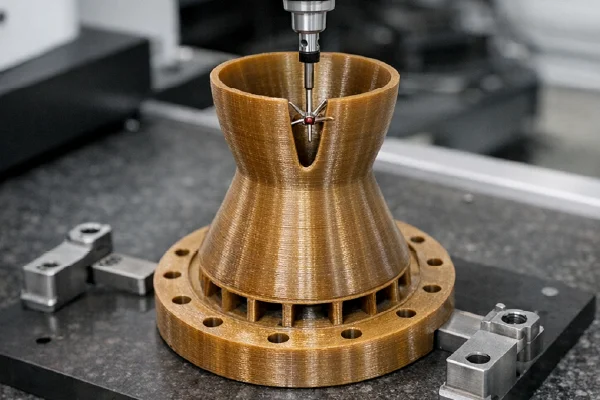
Digital manufacturing technologies, such as those offered by Prototek, can enable successful onshoring initiatives. For instance, additive manufacturing, or 3D printing, allows for on-demand, localized production of parts and components, reducing the need for overseas suppliers and the lengthy lead times associated with overseas manufacturing. In addition, CNC machining and sheet metal fabrication capabilities enable agile domestic production to meet changing customer demands.
Moreover, advanced digital tools like CAD/CAM software, simulation, and automated workflows streamline the manufacturing process and boost efficiency, offsetting potential labor cost differences between domestic and overseas production. Furthermore, integrated value-added services like kitting, assembly, and quality inspection further enhance the speed and flexibility of onshored manufacturing.
In a time of increased volatility, localizing production is a powerful strategy to strengthen supply chain resilience. By reducing lead times, improving visibility throughout the production process, and gaining greater control over operations, onshoring allows businesses to respond to disruptions and promptly safeguard their operations. Embracing the benefits of onshored supply chains will be crucial in establishing a more agile and prepared business landscape as companies face future challenges.
Why work with Prototek to onshore your manufacturing projects?
Prototek is your trusted partner for onshoring your manufacturing projects. With our state-of-the-art facilities and experienced team, we deliver high-quality parts and components quickly and cost-effectively. Our wide range of in-house capabilities, including additive manufacturing, CNC machining, sheet metal fabrication, and casting & molding, allow us to handle your entire manufacturing needs under one roof. By working with Prototek, you can reduce lead times, improve quality control, and benefit from our added-value services to streamline your operations. Trust Prototek to be your reliable onshore manufacturing solution.
FAQs
Onshoring refers to the practice of bringing manufacturing or services back to the country of origin, often to reduce costs and improve quality control.
Onshoring offers greater control, reduced lead times, improved quality, and enhanced responsiveness to customer needs, enabling businesses to stay agile and competitive.
Onshoring of manufacturing operations involves moving production closer to the domestic market, which can result in benefits such as decreased lead times, improved quality control, and increased collaboration with local suppliers. In contrast, offshoring, which entails relocating manufacturing processes to foreign countries, may lead to challenges such as longer supply chains, communication barriers, and cultural differences that can impact productivity and efficiency.