The manufacturing landscape in the United States is undergoing a dramatic transformation. For years, offshoring was beneficial because of lower raw material and labor costs. Today, there is a strong push for reshoring and onshoring. Global disruptions and strategic realignments fueled by supply chain resilience, geopolitical and conflict uncertainty, narrowing cost gaps, and government incentives. According to the Brookings Institution, onshoring is helping to balance trade deficits, create local, well-paying jobs, and develop a skilled workforce. Automation and falling robotics costs are making U.S. manufacturing more competitive than ever.
In this blog post, we will discuss why onshoring is gaining momentum, how U.S. on-demand manufacturing platforms such as Prototek work, and the benefits of partnering with domestic digital manufacturers.
Macro Drivers: Why is onshoring gaining favor?
- Supply Chain Resilience Post-COVID: The pandemic exposed vulnerabilities in the global supply chain, including critical goods such as semiconductors and medical devices. Localizing production can mitigate risk, increase resilience, and shorten lead times. Not to mention growing the local economies and supporting the American workforce.
- Geopolitical Risks and National Security: Rising Indo-Pacific tensions, conflict in the Middle East, and the war in Ukraine have heightened concerns of overreliance on foreign suppliers, especially for electronics, defense, and pharmaceuticals.
- An America First Agenda: The U.S. has imposed tariffs on Chinese imports and entered into new trade agreements, such as the USMCA, which are making offshoring less attractive and strengthening North American supply chains.
- Narrowing Labor Cost Gaps and Automation: The labor cost gap between the U.S. and overseas has narrowed, while advancements in automation and robotics have reduced domestic production costs.
- Superior Quality Control: Proximity to production enables real-time monitoring and frequent audits, allowing manufacturers to identify and rectify defects immediately. Manufacturers such as Prototek offer certifications and regulatory compliance with ISO 9001, AS9100D, ITAR, and CMMC Level 2.
- Reducing Lead Times: Domestic production shifts delivery timelines from months to days, enabling faster responses to customer demands and quicker time to market.
- Sustainability: Shorter transit routes significantly reduce the carbon footprint of long-distance shipping and air travel.
- Adoption of Advanced Tech: Onshoring often drives the construction of “smart factories” that use AI, robotics, and 3D printing to offset higher labor costs by boosting efficiency.
How On-Demand Digital Manufacturing Platforms like Prototek Work
On-demand digital manufacturing platforms are revolutionizing how U.S. companies access manufacturing.
| Feature | On-Demand Digital Manufacturing | Traditional Offshore Manufacturing |
|---|---|---|
|
Instant Quoting, AI-Driven, and Online |
Manual, Slow, and Less Transparent |
|
|
Supply Chain |
||
|
Digital, Distributed, and Domestic |
Centralized, Global, and Complex |
|
|
Minimum Order Quantities |
Low and Flexible |
High and Inflexible |
|
Lead Times |
Days |
Weeks to Months |
|
Technology Stack |
CAD/CAM, AI, and Automation |
Manual and Less Integrated |
|
Quality and Compliance |
High, Certified, Regulatory, and Traceable |
Variable and Harder to Monitor |
Manufacturing with Prototek
- Instant Quoting: Upload CAD files nd receive pricing in minutes.
- Digital Supply Chains: Orders go to our best-fit U.S. facility for speed and quality.
- Faster Lead Times: Domestic production will slash delivery times.
- Advanced Tech: AI, automation, and cloud platforms will drive efficiency and transparency.
A Birdseye View of Prototek - A Leader of On-Demand Digital Manufacturing
Prototek exemplifies the new era of American manufacturing. Here’s what sets them apart:
Comprehensive Services
- CNC Machining: Precision milling, turning, and EDM for tight tolerances.
- Sheet Metal Fabrication: Bending, forming, laser, and waterjet cutting.
- 3D Printing: From prototyping to production-grade parts in diverse materials.
- Casting and Molding: Silicone and urethane casting and injection molding.
- Welding and Assembly: Certified welding, hardware insertion, and sub-assemblies.
- Surface Finishing: 40+ finishes for durability and aesthetics.
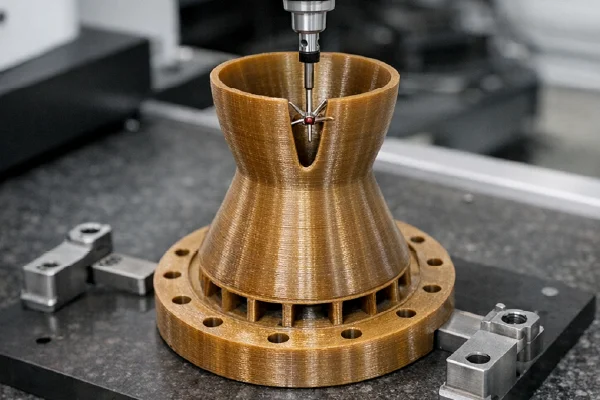
- 3D Scanning and Inspection: High-precision quality assurance.
Certifications and Compliance
Prototek ensures quality and regulatory compliance for the aerospace, defense, and medical sectors.
- AS9100D
- ISO 9001
- ITAR
- CMMC Level 2
- FDA Registered
Geographical Footprint
Facilities in:
- New Hampshire
- Pensylvania
- Wisconsin
- California
And a vetted network for high-volume production runs.
Materials and Finishes
100+ materials, 40+ finishes – solutions tailored for any application.
Business and Economic Benefits of Onshoring with Prototek
- Total Cost of Ownership (TCO) Advantage: While offshore per-unit costs can seem lower. TCO reveals that, once shipping, duties, inventory, quality, and risk are factored in, up to 60% of companies underestimate the hidden costs.
- Tell me more about these hidden costs:
- Shipping and Duties: High costs and long lead times, plus there can be delays with customs.
- Inventory: Overstocking and storage can act as buffers against shipping disruptions.
- Quality Issues: There can be a higher risk of defects, returns, and communication barriers.
- IP Risks: Weaker legal protections increase the risk of theft.
- Speed-to-Market: From rapid prototyping to quick design changes and customization, domestic manufacturing is critical for innovation and customer responsiveness.
- Quality, Compliance, and Traceability: Domestic manufacturers in the U.S. offer higher, more consistent quality. Prototek offers easier compliance with regulations.
- Intellectual Property Protection: U.S. manufacturers have stronger legal frameworks that safeguard your innovations and designs.
- Supporting American Jobs and Economy: Onshoring leads to the creation of high-value, skilled jobs, stimulates local economies, and addresses the projected need for 3.5 million manufacturing jobs over the next decade.
Balancing Cost Efficiency and Proximity
Industries Leading the Reshoring Charge
- Semiconductor and Electronics: Intel, TSMC, and Samsung have all invested heavily in the U.S.
- Medical Devices and Pharmaceuticals: For supply chain security, domestic production is being prioritized. The last global pandemic shed a large spotlight on supply chain issues.
- Aerospace and Defense: National security, traceability, and regulatory compliance drive domestic sourcing.
Conclusion: The Future of U.S. Manufacturing
With the convergence of digital manufacturing technology, government support, and shifting global dynamics, onshoring makes sense! A once-in-a-generation opportunity has arisen to support local U.S. businesses and the economy. Prototek works with thousands of businesses across a wide variety of sectors. Most recently, we achieved our CMMC Level 2 certification, making us a premier manufacturer for the aerospace and defense industry. As more companies shift manufacturing to the United States, finding reliable partners in the on-demand digital manufacturing space will be essential. Let us know if you’re ready to bring production home. We’re here to help!
FAQs
What does onshoring mean?
Onshoring refers to bringing manufacturing or services back to the country of origin. Onshoring reduces costs and improves quality control.
What are the benefits of onshoring?
- Greater Control
- Reduced Lead Times
- Improved Quality
- Responsiveness to Customer Needs
- Businesses are More Agile and Competitive
Is onshoring growing in the United States?
Onshoring is ramping up in the U.S., enabling domestic manufacturing and reducing supply chain risks.
How does onshoring help local communities?
- Creates Local Jobs
- Boosts the Economy
- Strengthens Communities.
Onshoring Manufacturing vs Offshoring Manufacturing
Onshoring manufacturing operations involves moving production to the originating company. Benefiting from things such as shorter lead times, improved quality control, and greater collaboration with local suppliers.
In contrast, offshoring is the relocation of manufacturing processes to foreign countries. It may create obstacles such as longer supply chains, communication barriers, and cultural differences, which can affect productivity and efficiency. It can also yield lower labor and raw material costs.