Ram EDM, also known as sinker EDM, is a specialized manufacturing process that utilizes electrical discharges to remove material from a workpiece. This precise and versatile technique enables the creation of complex, intricate parts across various industries. By harnessing the power of controlled electrical sparks, it can machine challenging materials and geometries that are difficult or impossible to produce through traditional machining methods. In this blog post, we’ll explore the fundamentals of this EDM, its key benefits, and how modern manufacturing can leverage it to drive innovation.
What is ram EDM?
Ram EDM (Electrical Discharge Machining) is a manufacturing process that utilizes electrical discharges to remove material from a workpiece. This non-contact machining technique is particularly effective for creating complex shapes and features in hard, conductive materials.
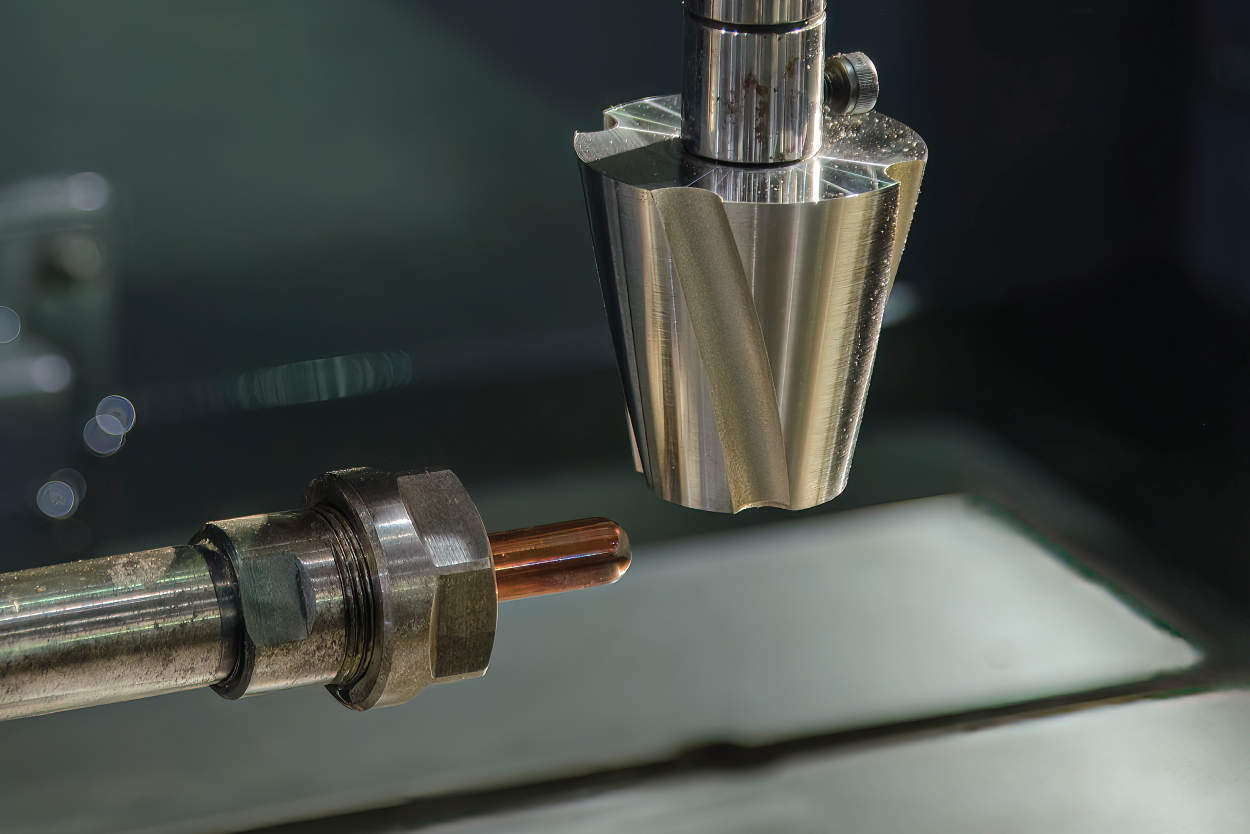
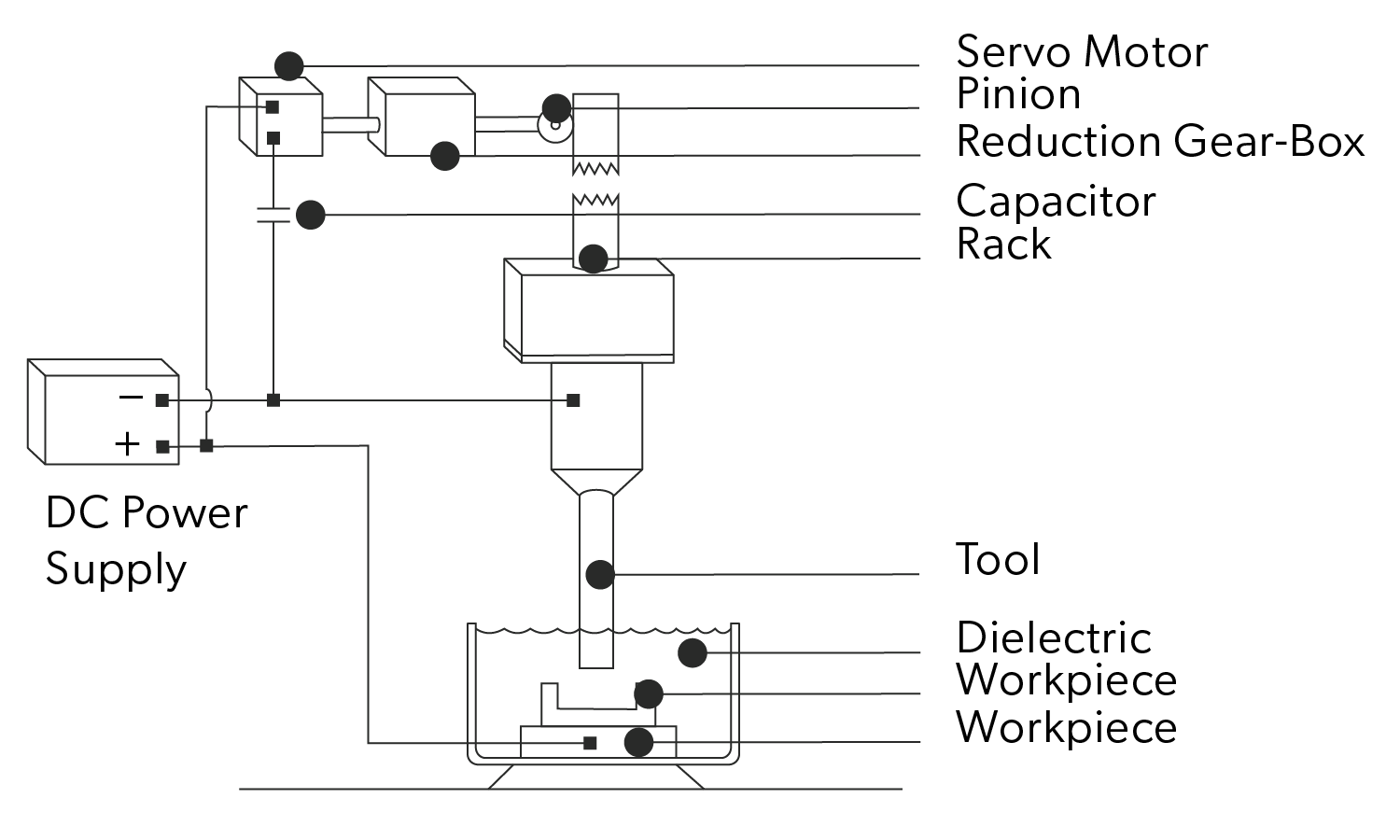
The process involves submerging the workpiece and an electrode tool in a dielectric fluid, typically deionized water or an oil-based fluid. An electrical potential is then applied between the electrode and the workpiece, generating a series of rapid, controlled electrical discharges. These discharges erode the workpiece material, allowing the desired shape to form.
The electrode—the mirror image of the desired feature—is slowly lowered towards the workpiece, maintaining a precise gap between the two. Over time, material is gradually removed during discharging, shaping the part’s final geometry.
Ram or sinker EDM is a versatile process capable of producing intricate features, complex shapes, and high-precision components across industries such as aerospace, automotive, and medical device manufacturing.
What are the benefits of ram EDM?
Ram EDM is a precise, versatile manufacturing process that offers numerous benefits across various industries. One of its primary advantages is the ability to create complex, intricate parts with exceptional accuracy and precision. Moreover, the method utilizes electrical discharges to erode the material, enabling the production of parts with complex geometries and tight tolerances that would be challenging or impossible to achieve through traditional machining methods.
Another critical benefit is its ability to work with a wide range of materials, including complex, brittle, or conductive materials that may be difficult to machine with other techniques. Consequently, it is an ideal choice for the production of components in industries such as aerospace, automotive, and medical device manufacturing.
Additionally, it is a highly efficient and cost-effective manufacturing process. Eliminating the need for physical contact between the tool and the workpiece reduces the risk of tool wear and breakage, lowers production costs, and increases client productivity.
What are the applications of ram EDM?
Ram EDM, also known as Ram Electrical Discharge Machining, is a versatile manufacturing process with numerous applications. Some critical applications of this capability include:
- Precision Machining Complex Parts: It excels at producing intricate, detailed parts with tight tolerances and complex geometries. These would be difficult or impossible to achieve through traditional machining methods.
- Machining Hard Conductive Materials: Ram EDM can effectively machine hard, conductive materials such as tungsten carbide, titanium, and Inconel, which are difficult to machine with conventional techniques.
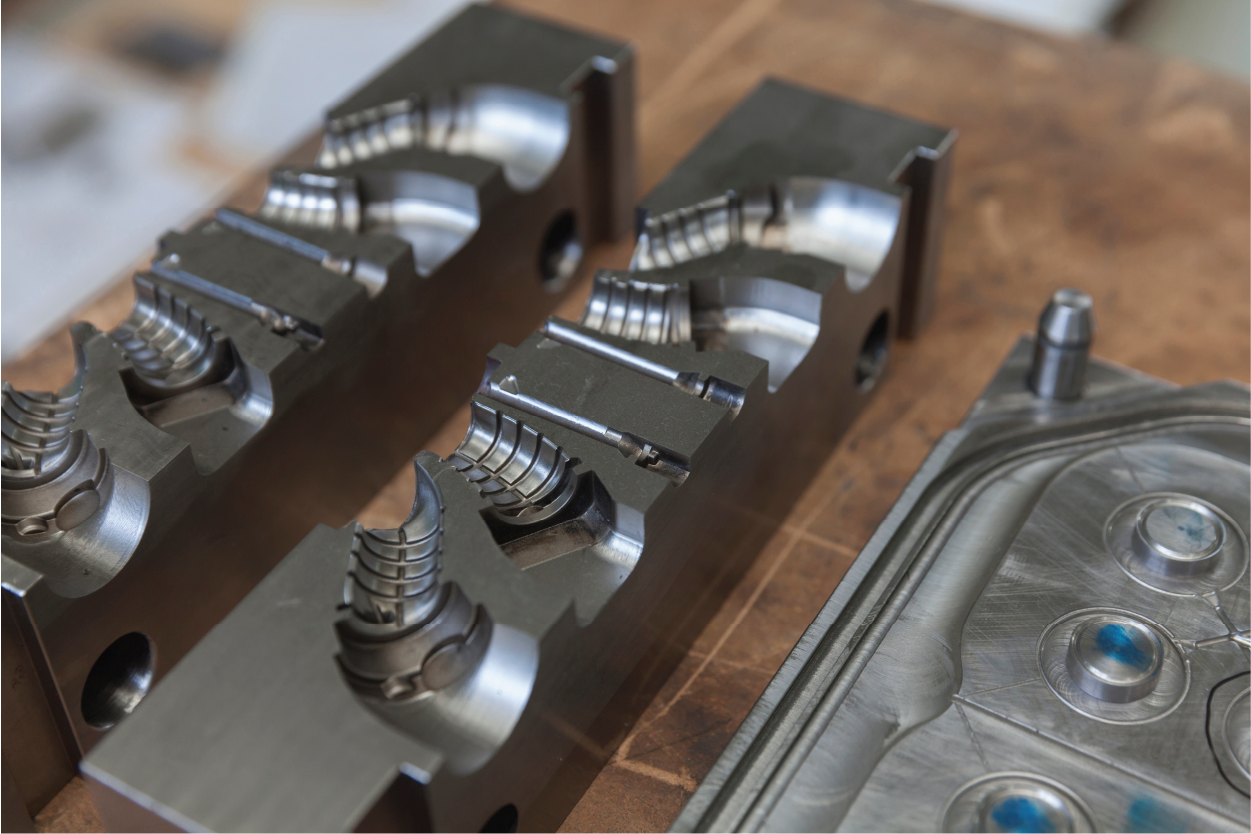
- Making Molds and Dies: EDM produces intricate molds and dies for applications such as injection molding and stamping. This method allows for the creation of highly detailed features and complex cavities, making it essential in the manufacturing industry.
- Aerospace and Automotive Components: It specializes in manufacturing parts for the aerospace and automotive industries. Using advanced EDM techniques to create high-quality, complex components like turbine blades and fuel injectors.
- Medical Device Parts: Ram EDM is ideal for producing intricate medical devices, implants, and surgical instruments. This advanced process creates precise components essential for medical applications, making it a valuable technology for the healthcare industry.
Why choose this capability for your project?
At Prototek Digital Manufacturing, we offer advanced Electrical Discharge Machining (EDM) services. Our RAM EDM capabilities produce intricate parts with exceptional accuracy, complex geometries, and fast turnaround, working with a wide range of versatile materials. We are committed to providing uncompromising quality to support the success of your project.
FAQs
It is a specialized manufacturing process that uses electrical discharges to shape and cut conductive materials.
It can precisely cut various conductive materials, including metals, alloys, and some ceramics.
Aerospace, automotive, and medical industries use this capability.
It is also known as sinker EDM.