Ford & RTR Vehicles - Switchgear Drives Performance with Functional Testing
About the F-150 Lightning Switchgear
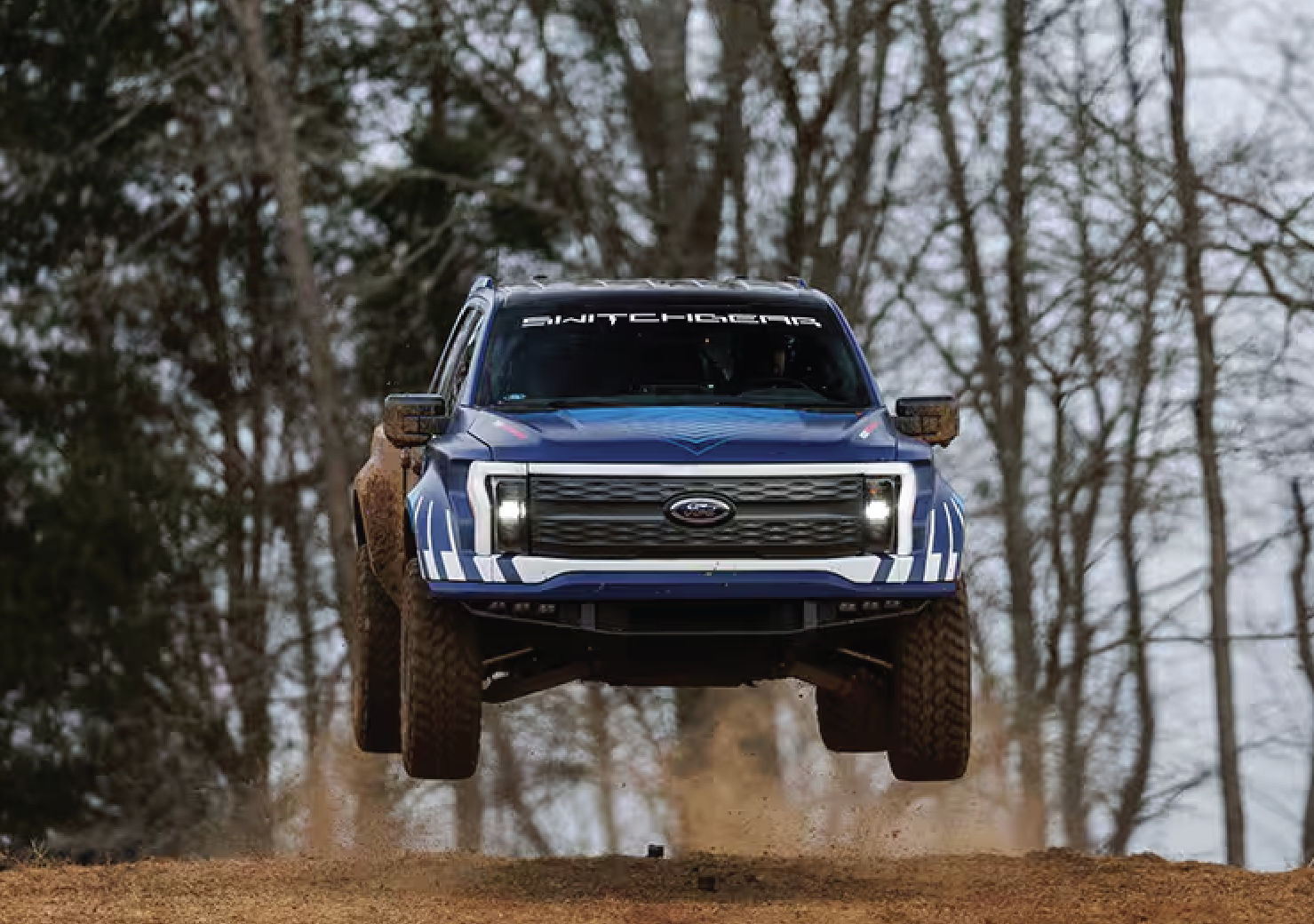
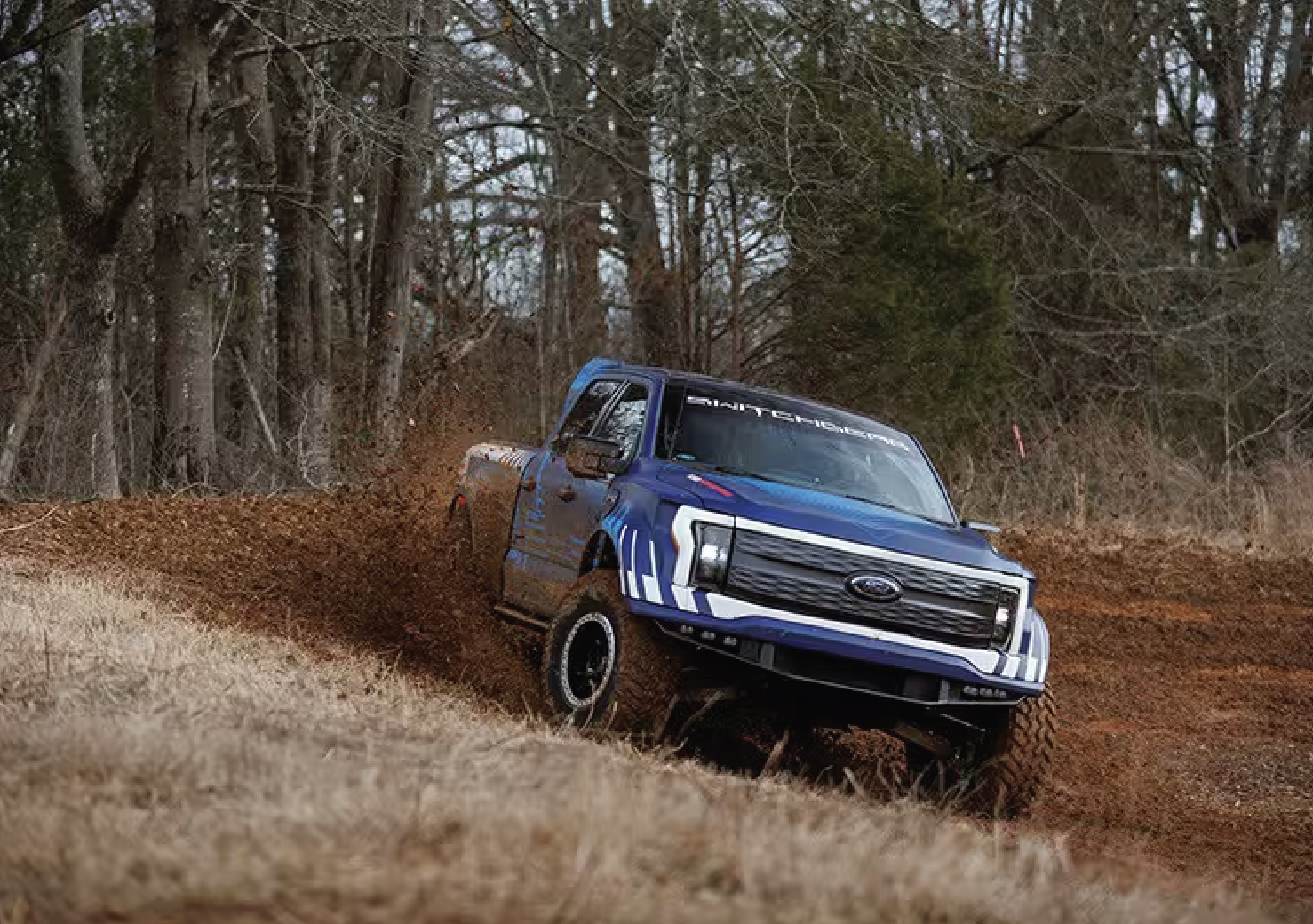
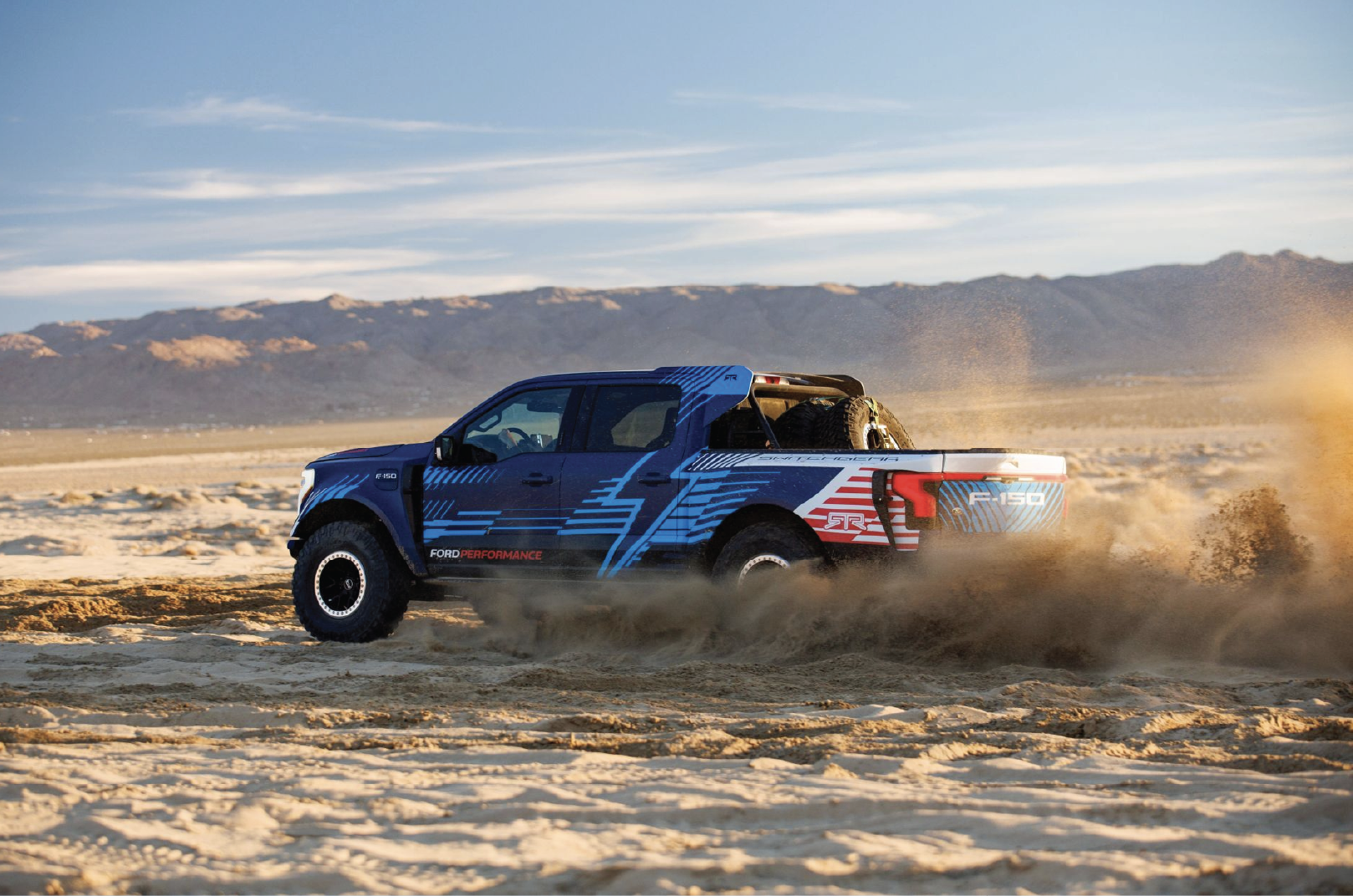
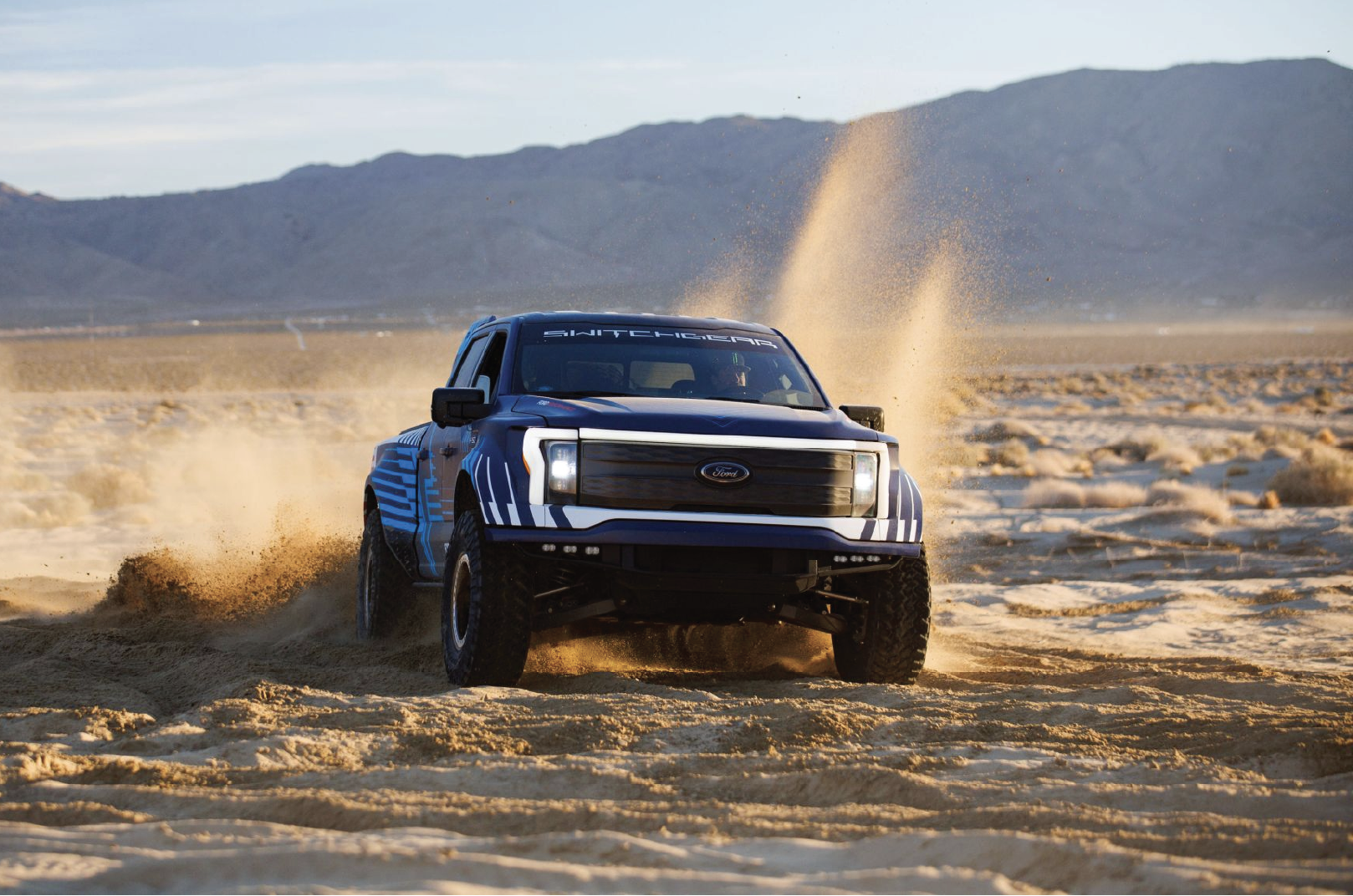
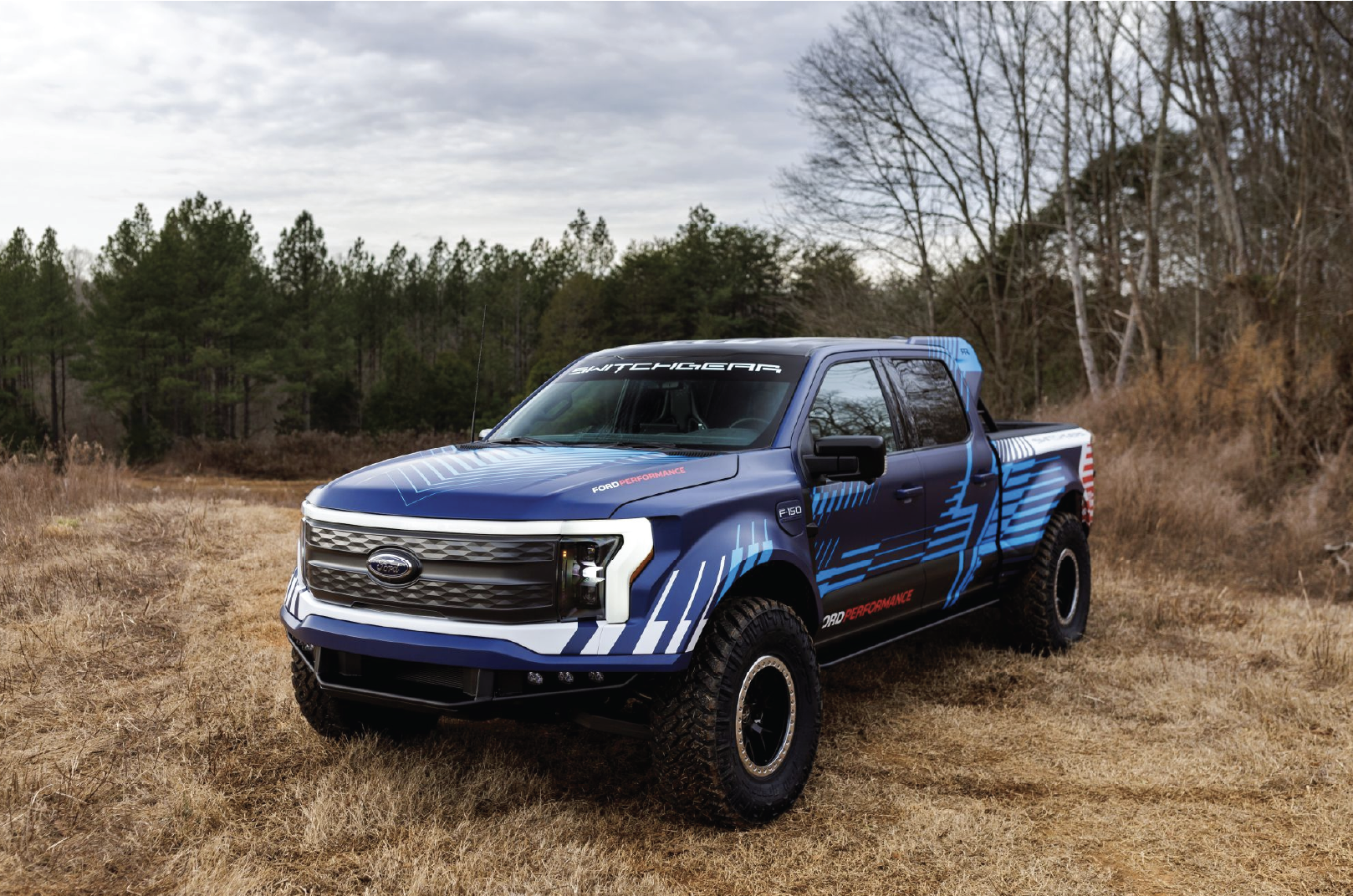
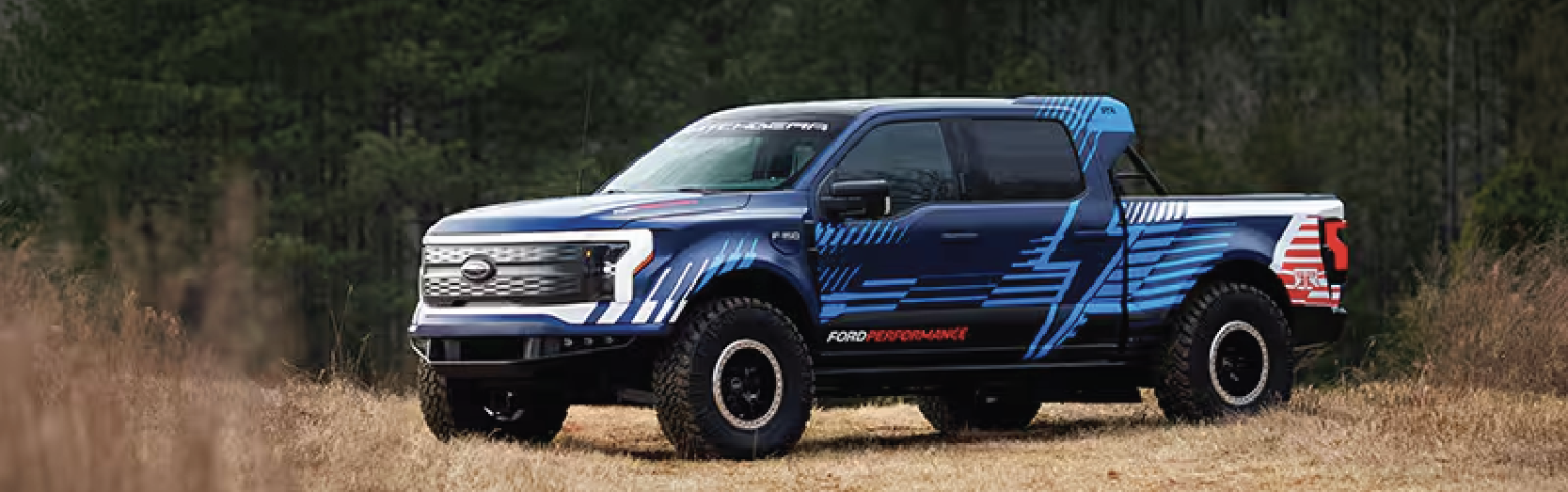
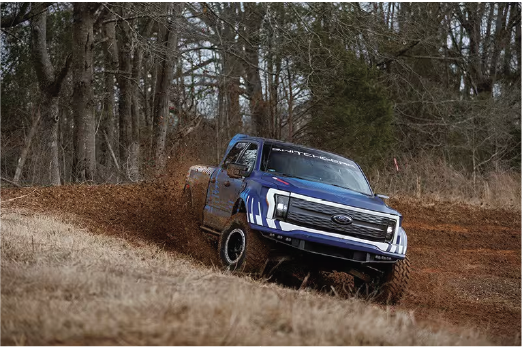
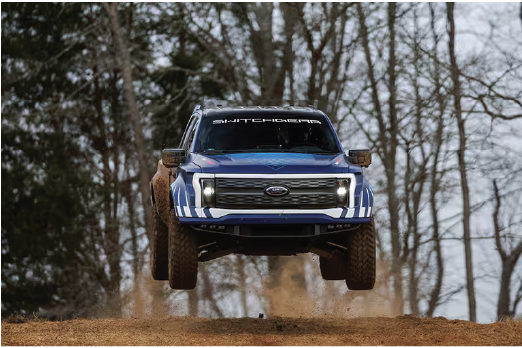
The F-150 Lightning Switchgear, a collaboration between Ford Performance and RTR Vehicles, is a high-performance demo vehicle that excels on both on- and off-road terrain. It’s electric and has 37-inch tires.
This truck is the latest in the Ford Performance Demonstrator program. It showcases the possibilities of an electric vehicle and provides a platform for engineers to advance their knowledge for future electric cars rapidly. The Ford F-150 Switchgear explicitly provides a testbed for pushing the boundaries and expectations of electric trucks.
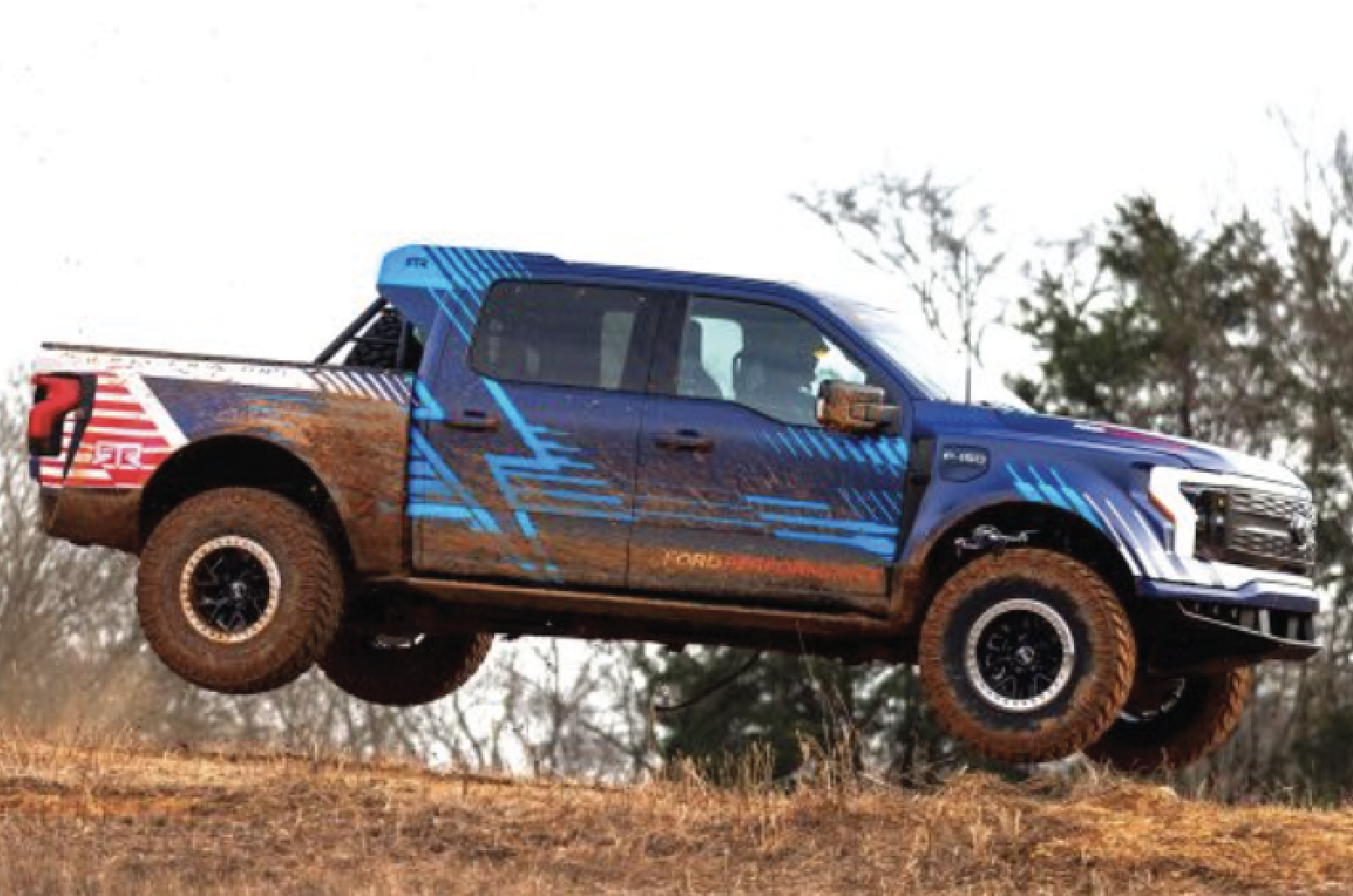
The F-150 Lightning features a wider track than its predecessor, enhancing its off-road stability and increasing its ground clearance and suspension travel. The suspension system, called Switchgear, is designed to handle rough terrain. It utilizes FOX 3-inch diameter internal bypass shock absorbers and features unique front and rear bumpers to enhance approach and departure angles. The truck features a custom independent double-wishbone suspension at the front and a multilink independent suspension at the rear, equipped with coil-over shocks, a stabilizer bar, and custom control arms.
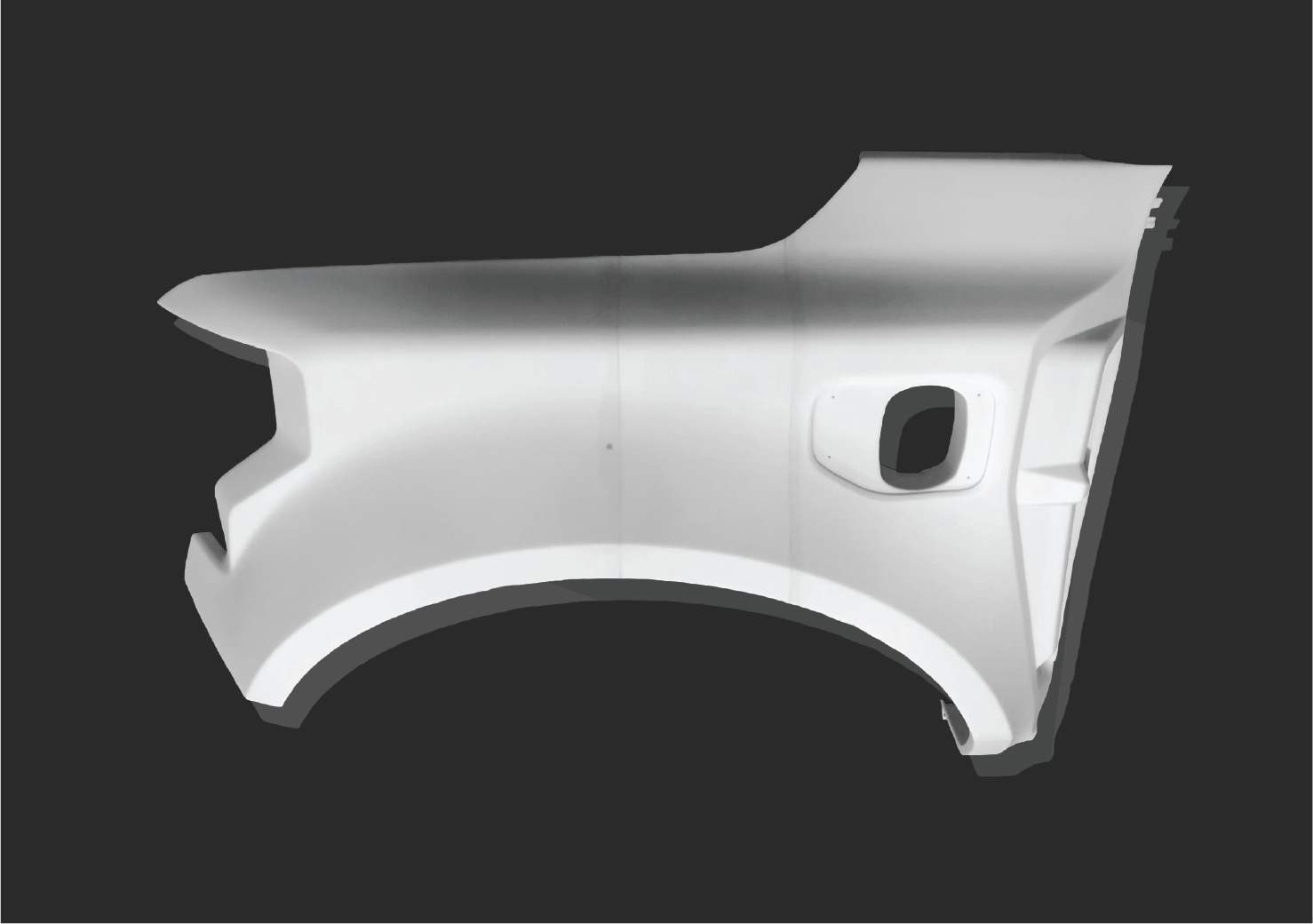
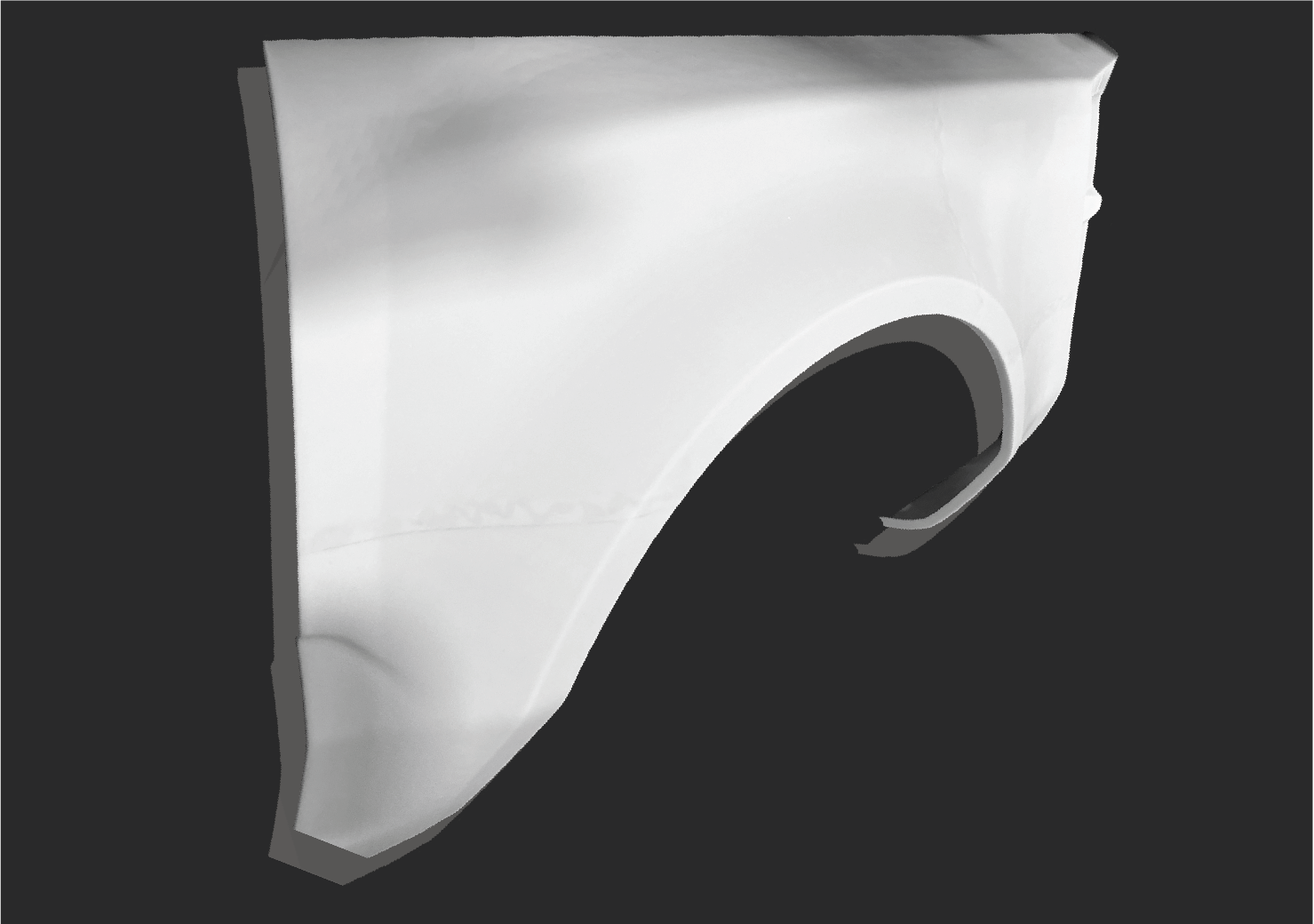
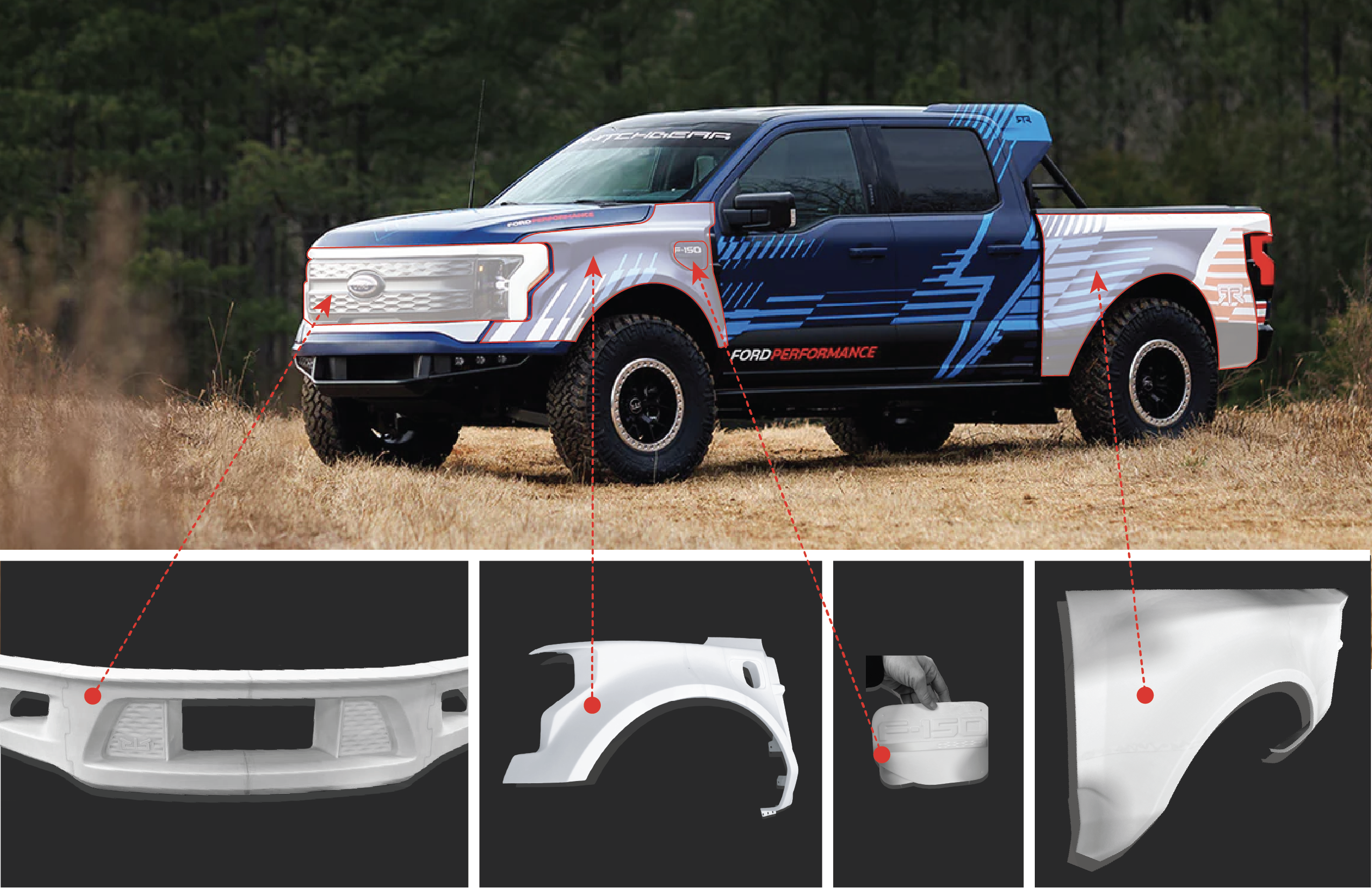
The Switchgear features carbon-composite front fenders, bed sides, and a rear bumper cover. The vehicle is equipped with steel-fabricated rock rails and front skid plates to ensure it is ready for rough off-road terrain. Limit straps help manage suspension and wheel travel.
The Project
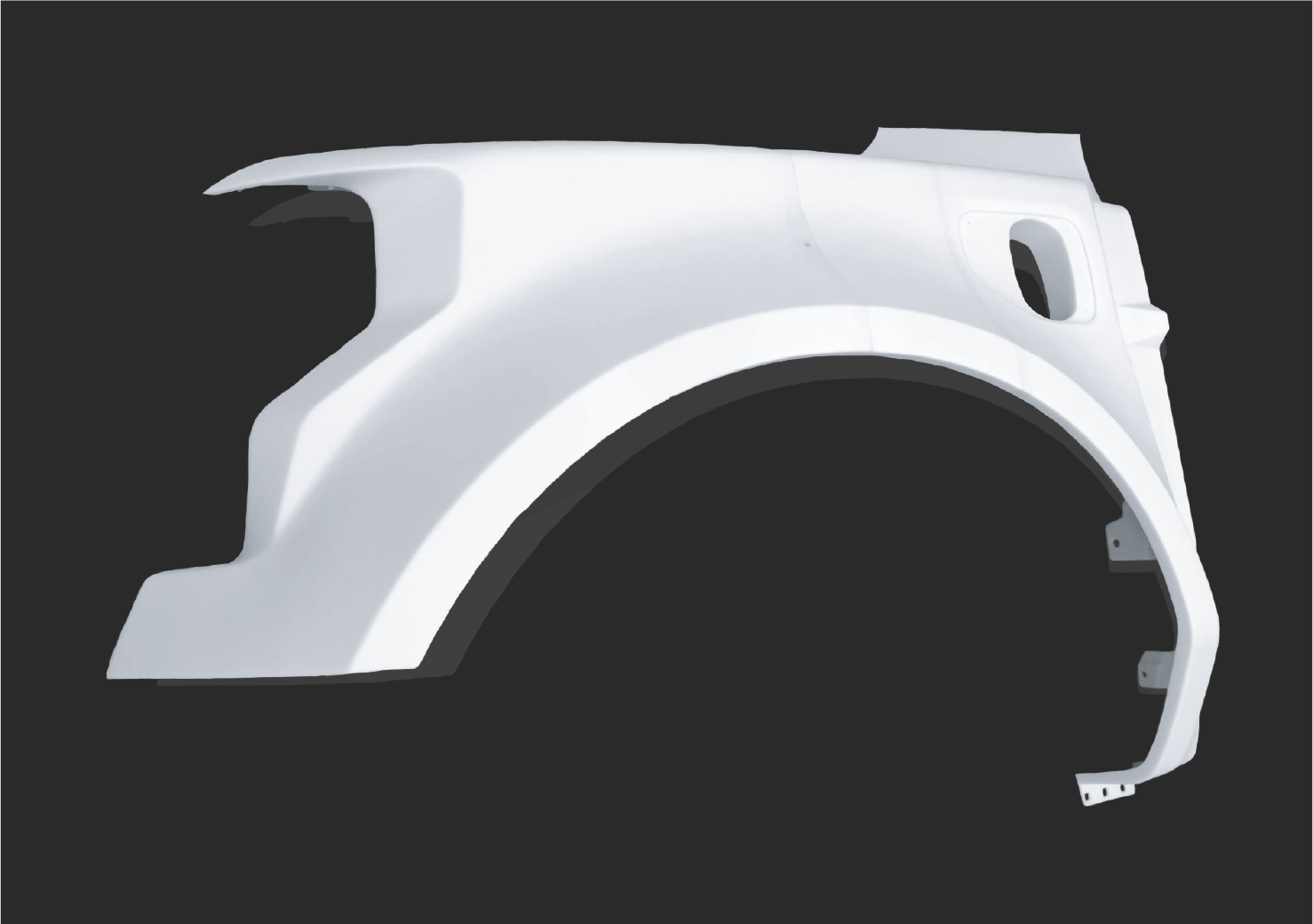
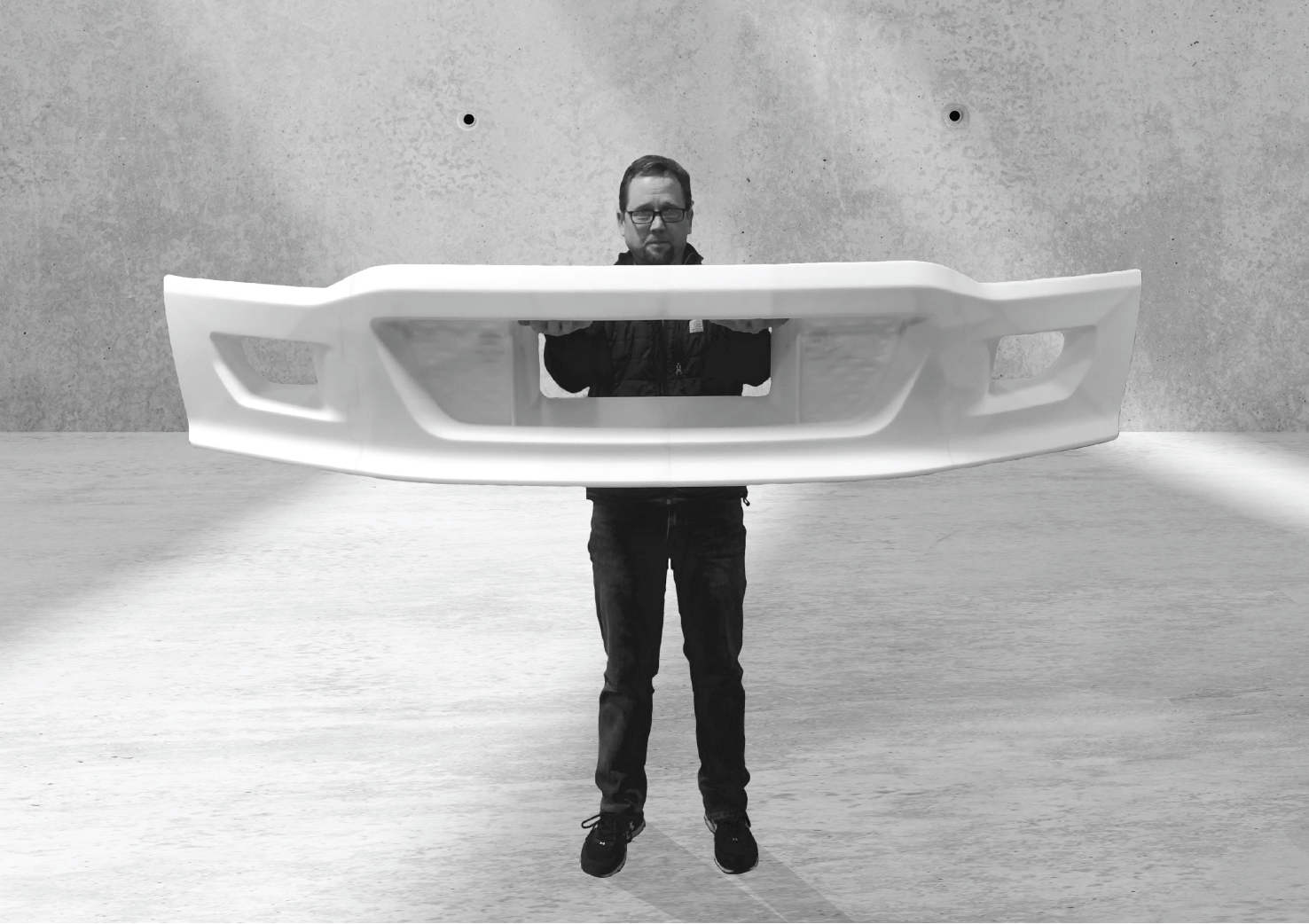
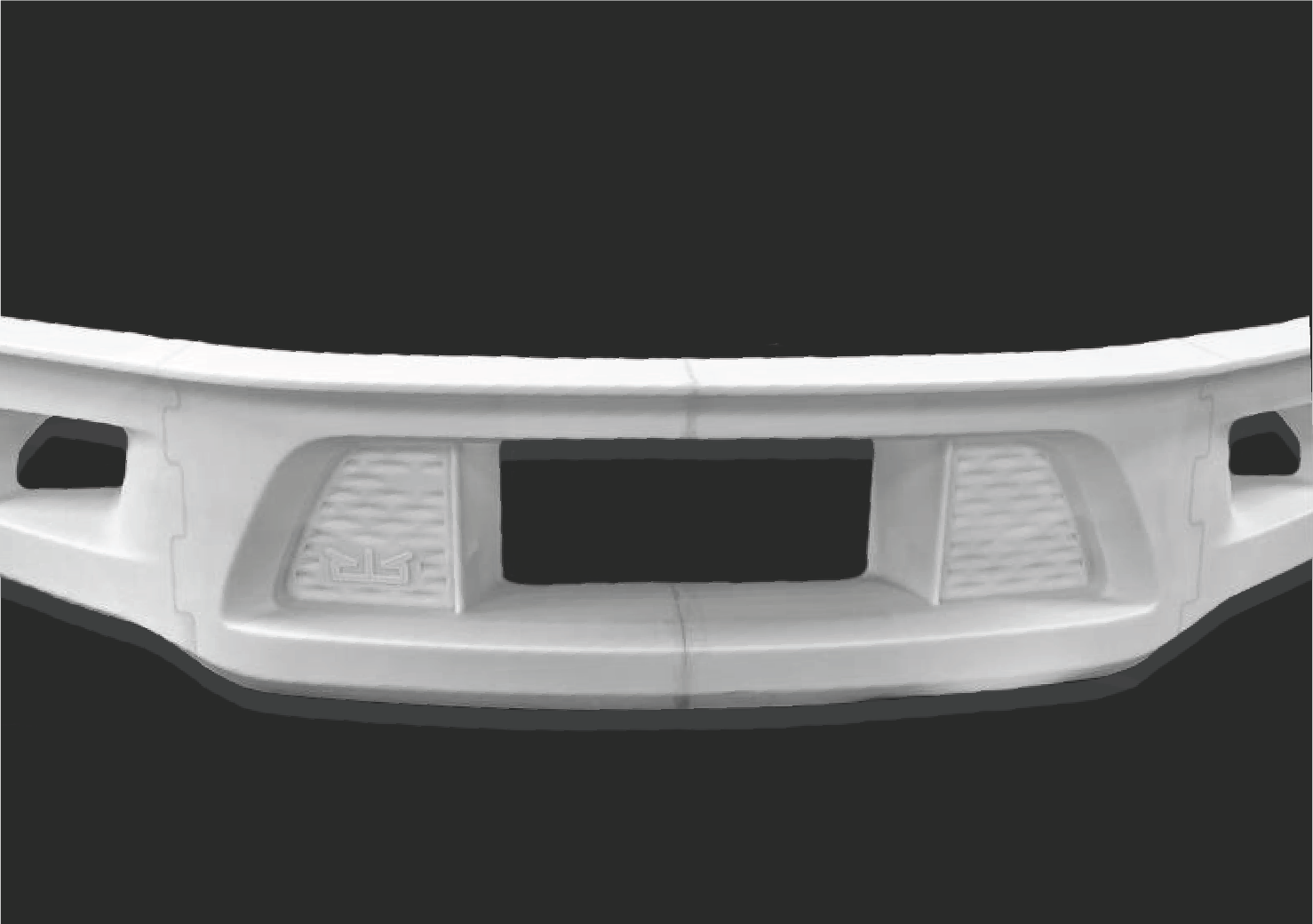
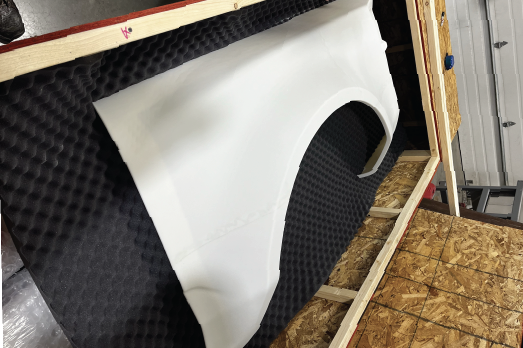
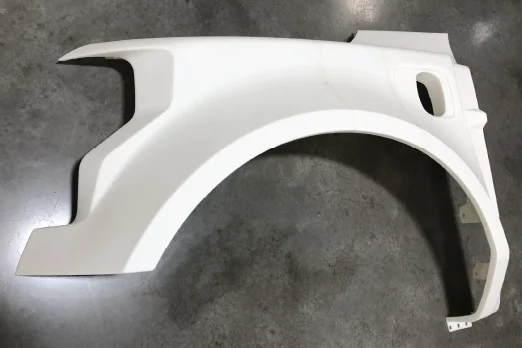
Prototek is proud to have helped create form, fit, and function prototypes during the design-to-verification process of making this truck a reality. Working closely with Ford and RTR’s engineers and design team, we assisted them in manufacturing the pre-production custom body components, including prototypes of the bumpers, grille, bed sides, and running boards, using our large-format SLA equipment with Somos® Evolve material. Although our build envelope was quite large in the Neo 800s, we still had to bond the pieces together. The grille was 88 inches long! All bonding and finishing, as well as building custom crates and arranging the shipping, were done by our internal teams to ensure a seamless final product ready for the Ford Performance wrap.
The Results
The Ford and RTR teams worked hard to ensure that the Prototek prototypes underwent thorough testing and validation before proceeding to production. This was a crucial step in ensuring that the components met the project’s required standards and specifications.
Ford showcased the F-150 Lightning Switchgear in January at the King of the Hammers off-road racing event in Johnson Valley, California. The truck is an electric version of the Ultimate Fun Haver(1), a popular off-road vehicle, with several new features added to cater to the needs of electric vehicle enthusiasts.
According to reports, the F-150 Lightning Switchgear has been well-received in the off-road community. It has demonstrated excellent capabilities in rough terrain and has impressed drivers with its performance and range. The truck is expected to be a game-changer in the electric vehicle market and may set new standards for off-road vehicles.
- The Ultimate Fun Haver was a 2015 Ford F-150 Supercrew 4×2 XLT truck taken to the next level with RTR and Kibbetech Offroad Fabrication & Design for Vaughn Gittin Jr., a drift driver, and the Monster Energy Nitto Tire Ford Mustang RTR driver, who is an all-out personality.
Gallery
Work with Prototek
If you’re seeking a dependable partner to guide you through the design and production process, look no further than Prototek. We specialize in prototyping production-grade components and offer a range of services, including additive manufacturing, CNC machining, sheet metal fabrication, silicone/urethane/wax casting, and injection molding. Our team works across multiple industries daily.
Stereolithography
OEM:
3D Systems and Stratasys
Lead Time:
1 – 2 Days
Max Build Area:
31 x 31 x 23 in
Tolerances:
First Inch ± 0.005 in
Add. Inches ± 0.0015 in
Somos® EvoLVe
Mechanical Properties
Tensile Strength
8,200 psi
Tensile Modulus
430 ksi
Elongation @ Break
11%
Flexural Modulus
385 ksi
HD @ 66 psi
126° F
Switchgear Case Study
Learn more about our capabilities with a case study from Switchgear!