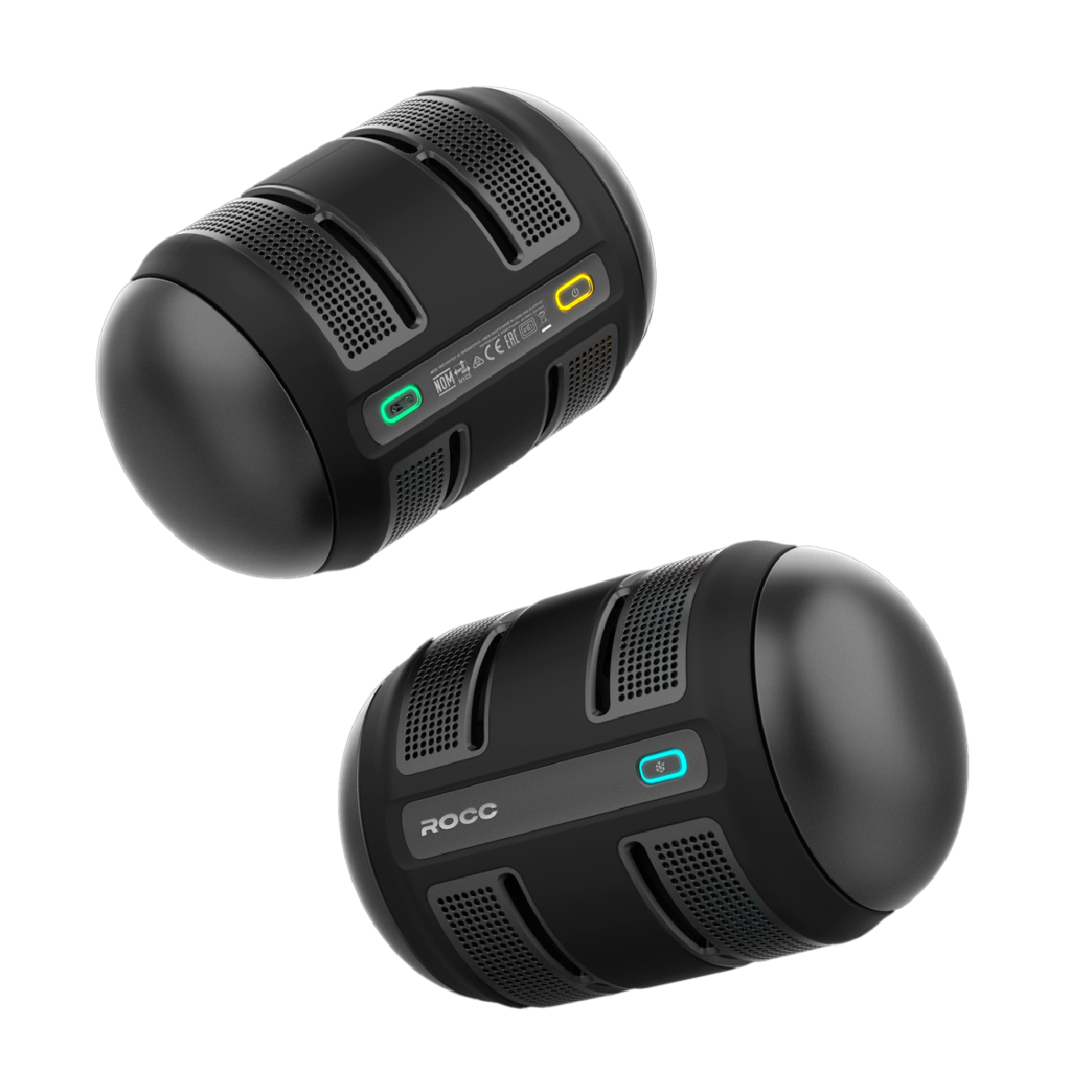
NICE Recovery grabs market awareness with functional prototyping of the NICE ROCC.
At Prototek Digital Manufacturing, we’re proud to collaborate with Nice Recovery on their ROCC’s functional prototyping project. As a leading provider of advanced manufacturing services, we’re excited to leverage our expertise in additive manufacturing to bring their innovative design to life.
About NICE Recovery
NICE Recovery Systems was founded in 2012 by entrepreneur and skier Michael Ross. After a high-speed crash ended his ski racing career, Michael developed the NICE1 cold compressing therapy system, which provides personalized therapy without the need for ice. The system received FDA approval in December 2014 and quickly gained recognition among orthopedic surgeons, athletic trainers, and professional athletes. The NICE1 is proudly made in Boulder, CO.
About the NICE ROCC
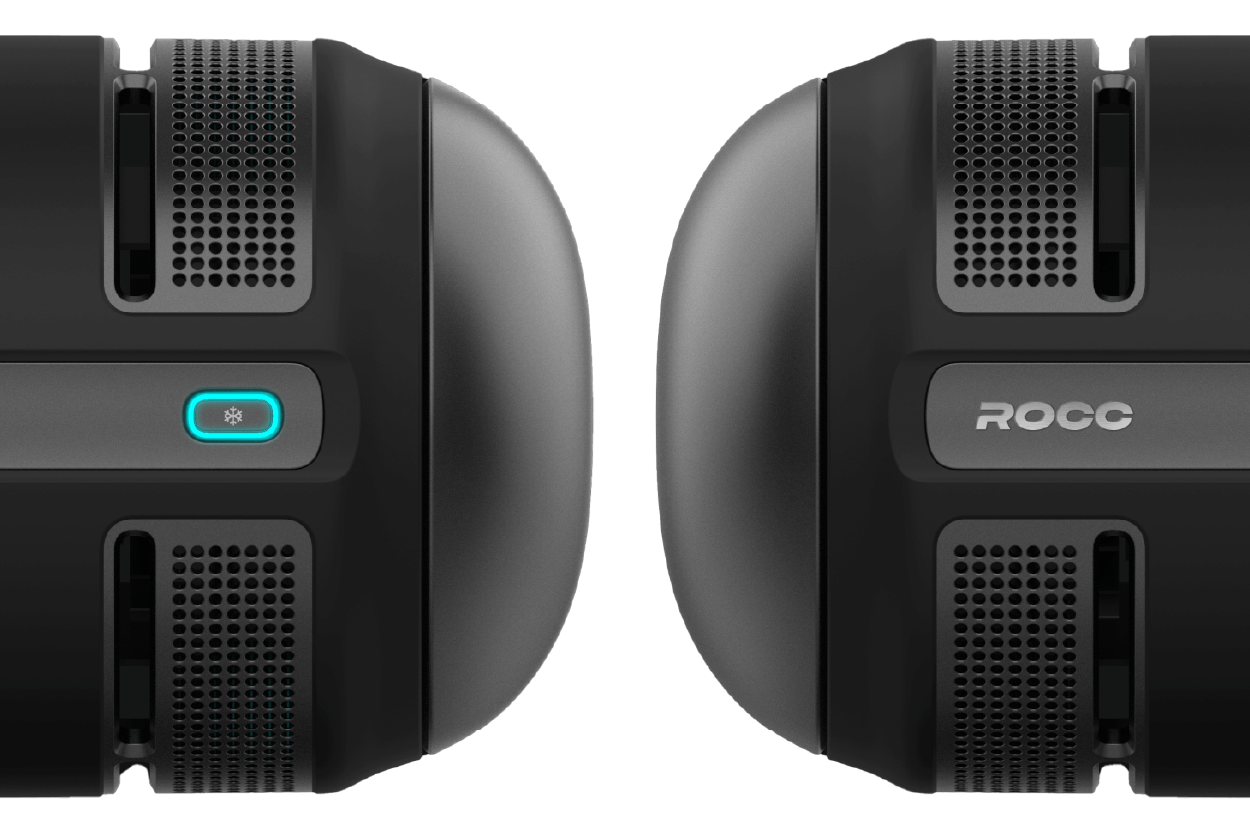
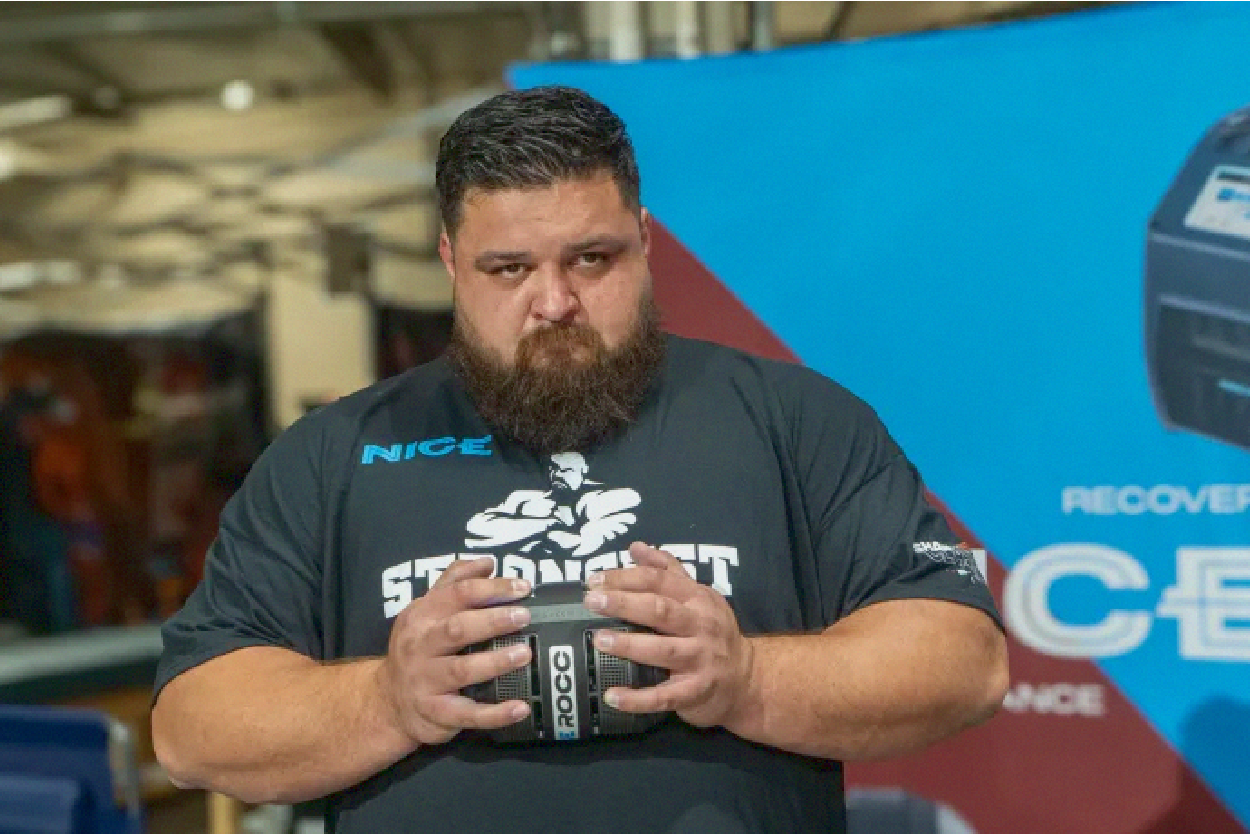
The palms of your hands have unique blood vessels called arterio-venous anastomoses (AVAs) that can directly cool the blood and local muscles. The ROCC is a remarkable device that can precisely cool the palms of your hands without requiring ice, water, or an electrical outlet. It is cold enough to remove significant heat from your body but not so cold that it causes vasoconstriction. It weighs about two kg, can run for over two hours on a single charge, and is the world’s only device of its kind.
The Project - Functional Prototyping
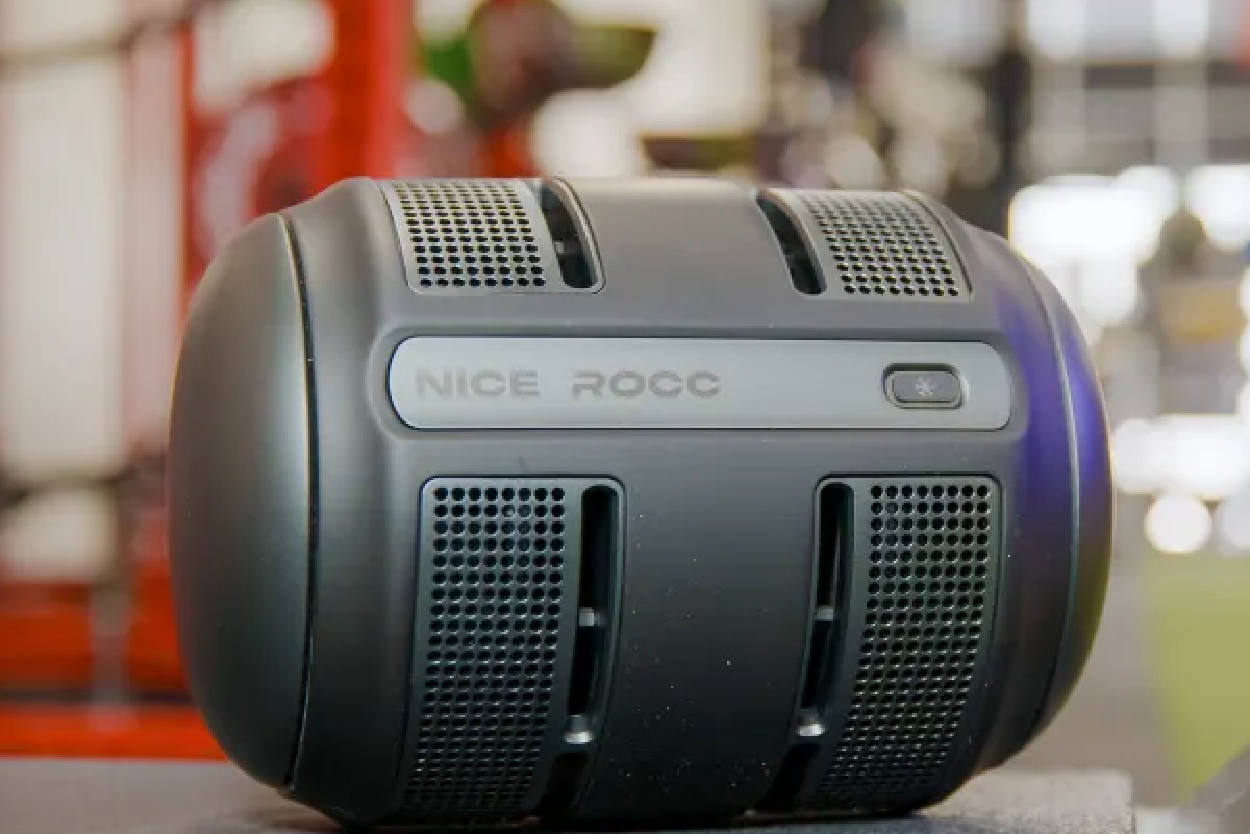
Prototek is proud to have played a crucial role in the successful collaboration with NICE Recovery. Together, we created functional prototypes during the design-to-verification process of making the NICE Recovery ROCC. Working closely with NICE Recovery’s engineers and design team, we assisted them using our stereolithography and multi-jet fusion equipment. The materials used were Accura® ABS Black and HP PA12. The goal was to achieve injection-molded-like 3D prints. Our finishing team completed the prototype using a mixture of standard post-processing techniques, including smoothing, sealing, and dyeing the components.
Technologies and Materials used for Functional Prototyping
Technology: Stereolithography
Stereolithography (SLA) is a type of 3D printing technology that uses photopolymerization to create solid objects. This process involves using an ultraviolet-sensitive liquid resin that polymerizes into a solid material when exposed to a UV laser. The laser selectively cures the part, layer by layer, to create the desired shape.
OEM:
3D Systems and Stratasys
Lead Time:
1 – 2 Days
Max Build Area:
31 x 31 x 23 in
Tolerances:
First Inch ± 0.005 in
Add. Inches ± 0.0015 in/in
Material: Accura® ABS Black
Accura ABS Black is a multi-purpose stereolithography material offering a balanced property profile, good flexibility, and shock absorption, as well as the capability to print tiny structures with a high level of detail.
Tensile Strength:
6,525 – 6,815 psi
Tensile Modulus:
274 – 354 ksi
Elongation at Break:
6 – 13%
Flexural Strength:
10,875 – 11,310 psi
Flexural Modulus:
328 -344 ksi
Heat Deflection at 66 psi:
124° F
Technology: Multi-Jet Fusion
The HP Multi-Jet Fusion 3D printer utilizes an advanced additive manufacturing process that combines powdered thermoplastic material, a liquid agent, and infrared energy to create functional nylon prototypes and end-use parts. It excels in producing precise brackets, connectors, hinges, housings, and thin-walled ductwork and is ideal for crafting intricate details in large quantities.
OEM:
HP
Lead Time:
2 – 4 Days
Max Build Area:
14.96 x 11.18 x 14.96 in
Tolerances:
First Inch ± 0.010 in
Add. Inches ± 0.003 in/in
Material: HP Nylon 12
The HP Nylon 12 is a high-performance multi-jet fusion material known for its exceptional strength, versatility, and durability. This nylon powder also offers excellent long-term stability and high chemical resistance, making it ideal for various industrial and commercial applications.
Tensile Strength:
6,960 psi
Tensile Modulus:
247 ksi
Elongation at Break:
20%
Flexural Strength:
9,425 psi
Flexural Modulus:
251 ksi
Heat Deflection at 66 psi:
347° F
The Results - Functional Prototyping
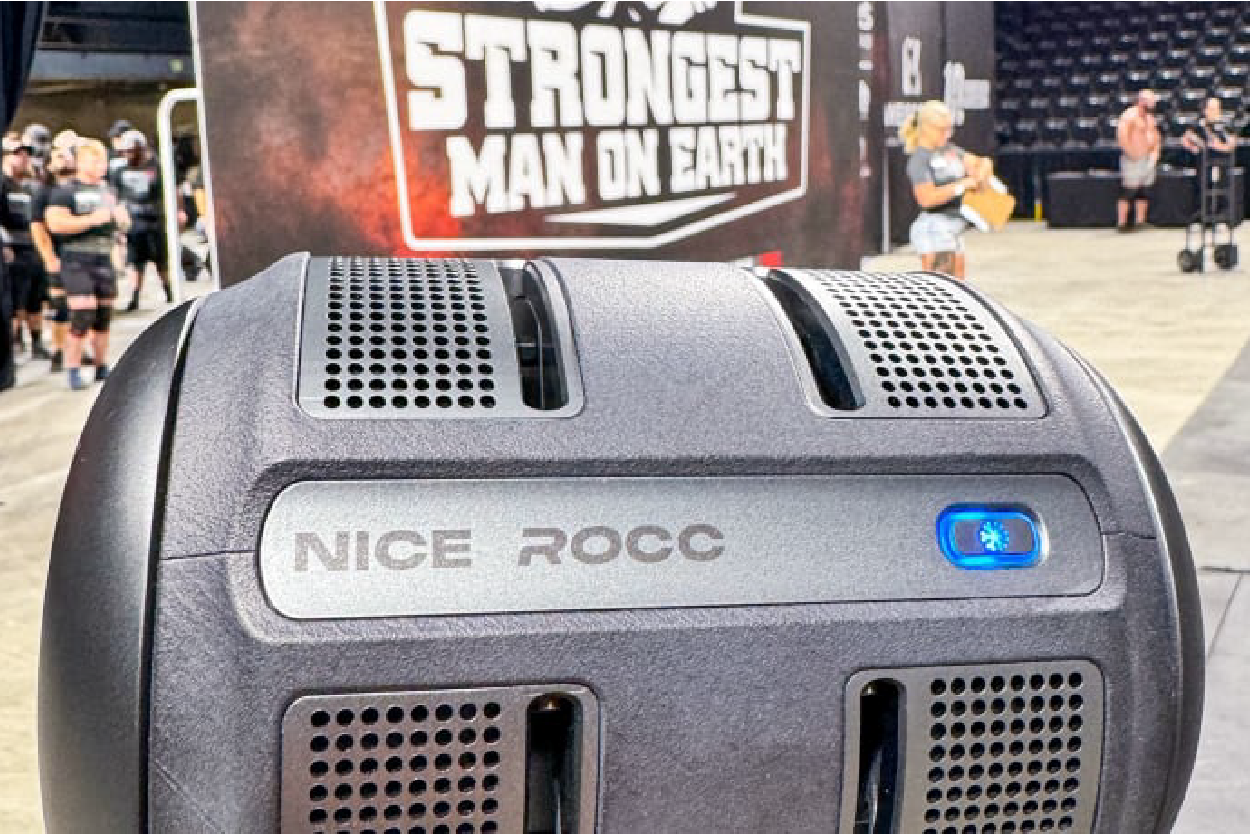
The NICE Recovery ROCC debuted at the 2024 Strongest Man on Earth competition as part of the Shaw Classic in Loveland, CO. It provides precise and significant heat to your body without causing vasoconstriction. The ROCC does not require ice, water, or an electrical outlet. It weighs about 2 kg and can run for more than two hours on a single charge, which is essential when facing challenges such as deadlifts, overhead medleys, keg toss, manhood stones, squat lifts, wheelbarrow and arm-over-arm medleys, dumbbell medleys, and Fingal’s fingers and power stairs medleys.
Working with Prototek
If you’re seeking a dependable partner to guide you through the design and production process, look no further than Prototek. We specialize in production-grade components and offer a range of services, including additive manufacturing, CNC machining, sheet metal fabrication, silicone/urethane/wax casting, and injection molding. Our team works across multiple industries daily.